

Air Circuit Breaker Supplier Selection Tips for Electrical Safety
2026-08-30
Selecting the right air circuit breaker supplier is often treated as a routine procurement task—until a minor oversight turns into a costly safety incident. Electrical systems demand more than just a component that fits; they require a partner who understands fault protection, arc quenching, and the hidden margins that keep your facility running. That’s where Chang Song comes in. In this guide, we’ll break down the practical tips that separate dependable suppliers from risky shortcuts, so your next purchase isn’t just a transaction, but a safeguard.
Match Fault Current Ratings to Your Facility, Not Just the Nameplate
Many facility owners assume the nameplate on a switchboard or panelboard tells the whole story. That plate usually lists the short-circuit current rating under specific test conditions, but those conditions rarely match what your building actually delivers at the point of connection. The available fault current depends on transformer size and impedance, cable length, and even what the utility has changed upstream. Treating the nameplate as a guarantee can leave a dangerous gap between what the gear can handle and what the system might throw at it.
If you haven't had a fault current study done recently, the numbers you're using may be stale. Adding a backup generator, replacing a transformer, or even reconfiguring feeders changes the amount of energy that would flow during a short circuit. A breaker that was fine five years ago could now be underrated because the upstream source got stiffer. The only way to know for sure is to calculate or measure the prospective fault current at each piece of equipment, then compare that value to the equipment's interrupting rating or SCCR.
Matching isn't a one-time task. As the facility evolves, so does the fault current landscape. Rather than relying on a nameplate that may have been accurate when the gear was installed, schedule periodic reviews—especially after any major electrical upgrade or utility change. The goal is to ensure every device, from main service entrance down to branch panels, can safely interrupt or withstand the fault current available at its location.
Dig Into Arc-Flash Data Before You Trust the Marketing Sheet
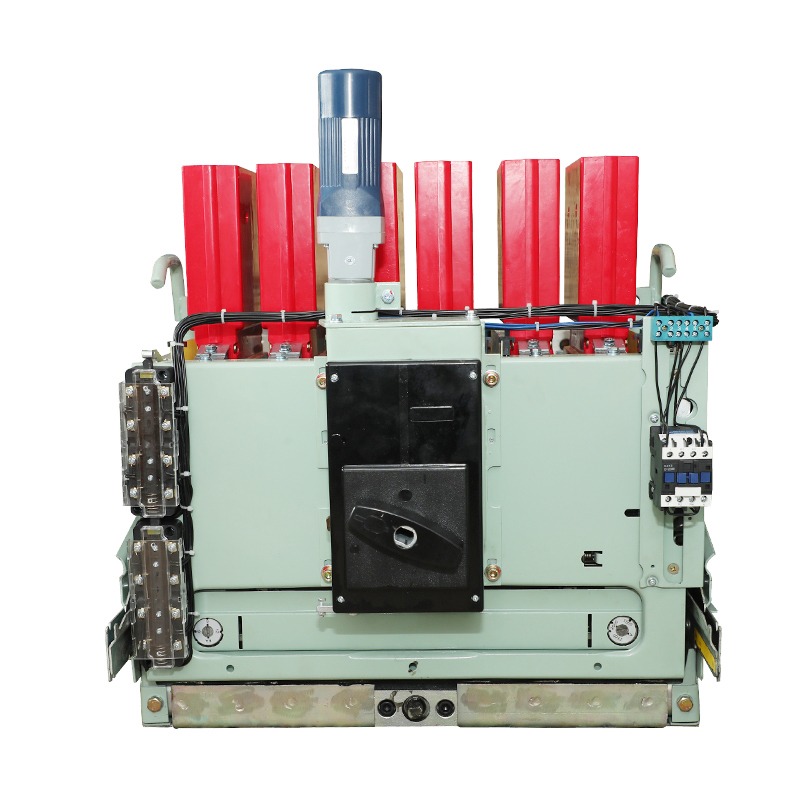
Manufacturers love to highlight a handful of impressive numbers on their arc-flash equipment brochures, but those figures rarely tell the whole story. The incident energy values, arc flash boundaries, and PPE category ratings printed in bold are usually derived from a narrow set of test conditions that may have little in common with your actual electrical system. Before you accept a product's marketing claims, pull the raw test reports and dig into how the data was collected—fault current levels, clearing times, working distances, and electrode configurations all shift the results dramatically. A panel that looks safe on paper can become lethal when your available fault current is just a few kiloamps higher than the test setup.
One common trap is relying on generic tables or software defaults that assume ideal scenarios. Real facilities have aging breakers, long cable runs, and variations in utility feed strength that alter arc duration and energy release. Take the time to compare the manufacturer's lab data against your own short-circuit study and protective device coordination. If the marketing sheet quotes a 4 cal/cm² threshold at 18 inches, check whether that value still holds when your working distance is closer or when maintenance mode disables the instantaneous trip. Sometimes the only way to know for sure is to run your own arc-flash analysis using site-specific input data, not the glossy brochure.
Don't be afraid to ask the vendor for the full test report, including oscillograms and electrode gap measurements. Legitimate manufacturers will share this information, while those hiding behind vague 'third-party verified' labels often have something to hide. Compare multiple products under identical conditions rather than accepting isolated numbers. Remember that arc-flash hazards are dynamic—equipment modifications, utility changes, and even ambient temperature can shift your risk profile. A marketing sheet is a starting point, not a safety guarantee. The time you spend digging into the underlying data could prevent a serious injury down the line.
Test the Trip Unit's Flexibility for Real Load Changes
Most trip units are calibrated against steady-state fault conditions, but real installations rarely behave that way. Motors draw inrush currents several times their running load, transformers produce decaying DC components, and intermittent loads create repeated thermal cycling. Testing the trip unit with real load profiles reveals whether it can distinguish between a harmless transient and an actual overload without nuisance tripping or delayed protection.
A practical approach uses a programmable load bank to replay captured current waveforms from a running facility. By injecting these time-varying profiles into the trip unit, you can measure how the long-time and short-time elements respond. Some units adjust their thermal memory based on load history; others apply fixed delay curves that may not follow rapid load swings. Watching the trip unit’s output during a motor start sequence or a sudden load step shows if the protection curve flexes with the actual demand or stays rigid.
Units with adaptive settings or adjustable thermal memory tend to handle real load changes more gracefully, allowing brief overloads while still catching sustained faults. Static settings may either trip too early on inrush or wait too long on a true overcurrent. Field tests often confirm that a trip unit’s flexibility comes down to how well its algorithm tracks the load’s thermal state and recent history, not just its nominal pickup.
Compare Field Service Response Times, Not Just Warranty Length
When choosing equipment, warranty length often gets all the attention. But a five-year warranty means little if you're waiting two weeks for a technician while your operation is down. Field service response time is the real measure of support. A vendor that can dispatch a trained technician within 24 hours, or even same day, can save you thousands in lost productivity. Compare those promised response windows carefully—ask for them in writing, and check references to see if the vendor actually meets them. A shorter warranty with faster service may protect your uptime far better than a long warranty with slow turnaround.
Response time also matters differently depending on your context. A rural site might tolerate a 48-hour response if the equipment has redundant backups, while a critical hospital system needs same-day or even four-hour service. Evaluate not just the average response time but the worst-case scenario. Some vendors advertise "next business day" but exclude weekends and holidays, leaving you stranded on a Friday night. Dig into the fine print: Are parts stocked locally? Are technicians employees or third-party contractors? These details shape real-world response far more than the printed warranty length.
Finally, consider the total cost of downtime. If an hour of lost production costs you $5,000, then paying a premium for a vendor with guaranteed four-hour response is a bargain compared to a cheaper option that leaves you waiting three days. Build a simple comparison table: list response time commitments, parts availability, and after-hours support for each vendor side by side. You may find that the vendor with the shortest warranty actually offers the fastest and most reliable field service, making it the smarter long-term choice. Focus on resilience, not just paperwork.
Ask for Third-Party Test Reports, Not Supplier Summaries
A supplier’s one-page digest can hide more than it reveals. Raw test data from an independent lab shows the exact conditions, limits, and outliers that glossy summaries quietly leave out. Ask for the full report, not just the highlights.
Independent testing often picks up inconsistencies that internal quality teams miss or downplay. Third-party reports include equipment calibration details, sample batch numbers, and pass/fail thresholds. Without those, you are comparing marketing language rather than measurable performance.
Make the report request part of every sourcing conversation. If a vendor hesitates or offers only a redacted excerpt, treat that as a signal. Reliable partners send complete test documentation without being asked twice, because their results can stand on their own.
Seek Out Suppliers Who Know Your Industry's Worst Days
The suppliers who have weathered your industry’s worst moments bring more than just contingency plans to the table. They’ve walked through raw material shortages, sudden demand collapses, or shipping gridlocks when every hour of delay cost real money. Because they’ve already made those mistakes under pressure, their processes tend to be less fragile—fewer single points of failure, more transparent communication about what’s actually happening on their end. Ask them directly about the hardest period they’ve faced in the last decade. If the answer feels rehearsed or glosses over the painful details, that tells you something. If they can name specific bottlenecks, the workarounds they tried, and which ones failed before they found a fix, you’re likely talking to someone whose operational memory runs deeper than a sales deck.
This kind of supplier doesn’t panic when your order suddenly triples or a key port shuts down. They’ve already built slack into their own capacity planning or maintain buffers of critical components precisely because they remember what it cost not to. More importantly, they tend to be straight with you about what’s not working. A supplier fresh from a boom cycle might promise unrealistic lead times just to win the contract. One that remembers the last downturn knows that a broken promise during a crunch is far more damaging than a slower quote upfront. So they tell you the truth: “We can do six weeks, not three, and here’s why.” That honesty is a direct byproduct of having survived the bad days, not just the good ones.
When you vet potential partners, don’t just ask for references from their best-performing quarters. Ask for a reference from a client who was with them during a disruption—a tariff shock, a factory fire, a sudden raw material ban. Listen for how they describe the strain. Did the supplier go quiet for a week? Did they renegotiate terms in bad faith? Or did they keep the client informed daily, reroute orders through an alternate facility, and absorb some of the extra freight cost? Those stories don’t make it into capability brochures, but they’re the strongest predictor of whether this supplier will still be standing beside you when your own industry hits its next rough patch. And that’s worth more than any discount on a routine order.
FAQ
Look for documented test results showing arc-flash incident energy levels under different fault conditions, and ask about internal arc containment features like reinforced enclosures and pressure relief vents.
A responsive local service team matters because delayed maintenance on stored-energy mechanisms and trip units can allow protection settings to drift, which raises the risk of nuisance tripping or failure to clear a fault.
Catalog ratings often reflect ideal conditions, while a full test report reveals how the breaker behaves during asymmetrical faults, high X/R ratios, and repeated operations, conditions that can expose hidden weaknesses.
Ask for time-current curves and discrimination studies showing breaker response at different fault magnitudes, plus formal statements about tolerance bands and how settings can be locked down.
Request evidence of routine production testing for each unit, such as contact resistance measurements, insulation resistance checks, and mechanical endurance cycles, and verify that calibration records are traceable.
Look for hands-on training covering racking procedures, interlock logic, safe reset after a trip, and proper use of test positions, not just a generic product brochure walkthrough.
Traceability helps identify whether critical parts like current transformers, trip coils, and insulating materials came from qualified sources, reducing the chance of counterfeit or batch-related defects that compromise safety.
Yes, suppliers that offer built-in temperature sensing, contact wear indicators, and load profiling allow maintenance teams to spot abnormal heating or degraded performance before a protective device fails to operate.
Conclusion
Selecting an air circuit breaker supplier goes well beyond comparing catalogue specifications or brand names. Start by confirming that the breaker's fault current ratings align with the actual short-circuit levels at your facility, not just the nameplate value on your existing gear. A supplier who pushes a one-size-fits-all rating is gambling with your downstream protection. Dig into the arc-flash data yourself — request the full test reports, not a marketing summary. The trip unit should be adjustable enough to handle real load changes, like motor starts or generator transfers, without nuisance tripping or delayed clearing. If the curve cannot be tuned to your operating reality, move on.
Equally important is how the supplier behaves after the sale. Compare field service response times in your region, not just warranty length. A five-year warranty means little if the nearest technician is two days away during an outage. Ask for third-party test reports from accredited labs — those independent results tell you more than any supplier summary. Finally, look for a supplier who understands the worst days in your industry: the dust storms, the voltage sags, the production shutdowns. That experience shows up in practical recommendations, not generic spec sheets. Choosing a breaker partner this way reduces arc-flash risk, improves uptime, and keeps your electrical safety program grounded in evidence, not sales language.
Contact Us
Contact Person: Tonglun Chen
Email: [email protected]
Tel/WhatsApp: 8618906642555
Website: https://www.cncsele.com