

Best Horizontal Machining Center Supplier: How to Choose the Right Partner for Precision Machining
2026-05-09
In precision machining, the horizontal machining center you choose defines your productivity and part quality. But with so many suppliers claiming expertise, finding a genuinely reliable partner can be overwhelming. Whether you're scaling up production or tackling complex geometries, the right supplier isn't just about machinery—it's about support, innovation, and long-term value. That's where industry leaders like WINNRUI CNC stand out. In this guide, we break down the key factors to consider, so you can confidently select a partner that aligns with your precision goals.
Understanding Your Precision Machining Needs Before Starting the Search
A clear set of drawings is just the starting point. Before reaching out to shops, it pays to revisit the real functional demands behind the part. Things like how thermal cycling, vibration, or assembly stress will act on the finished piece are easy to overlook. Write down those unspoken requirements—what the part must endure over its lifespan, not just its nominal dimensions. This often prevents a perfectly machined component from failing because of a subtle design blind spot.
Material choices and tolerance bands deserve more attention than they usually get. Many engineers default to a favorite stainless steel or an overly tight ±0.0005 inch callout simply to play it safe. But early conversations about surface finish, hardness, and corrosion resistance can open the door to more available materials or relaxed tolerances that still work perfectly. That upfront shift often trims lead times and cost without sacrificing performance.
Order volume and timing expectations change the entire machining approach, not just the price. A prototype run of five parts might thrive on a 3-axis mill with quick-turn tooling, while 5,000 units demand a completely different workholding and cycle-time strategy. Locking down even a rough forecast—and clarifying whether partial deliveries are acceptable—gives shops the latitude to propose the smartest production path instead of scrambling to meet an arbitrary date.
Evaluating Technical Expertise Beyond Standard Specifications
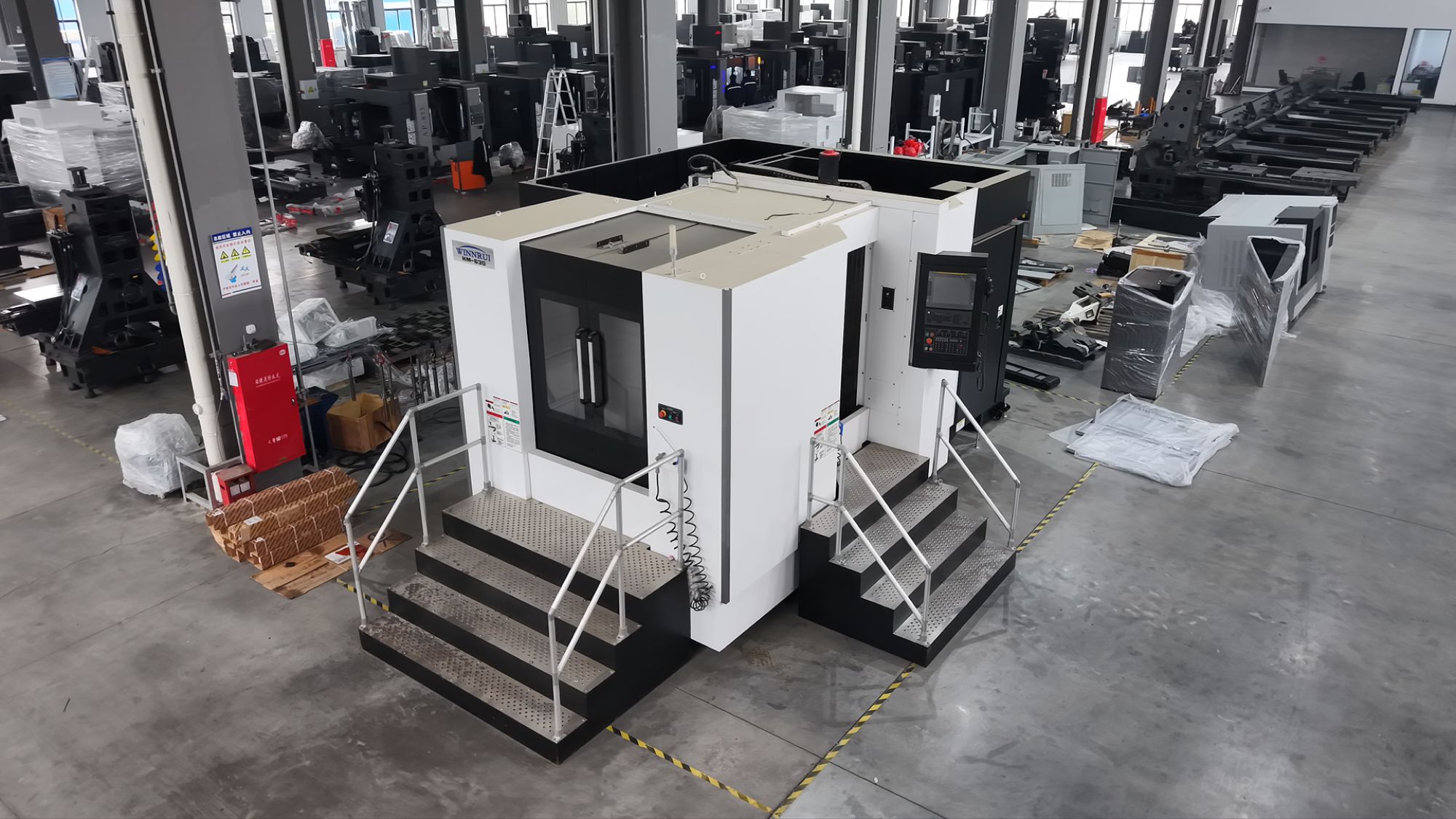
Standard specifications offer a baseline, but they rarely capture the nuanced problem-solving abilities that distinguish true experts. When evaluating technical skill, it’s essential to look beyond checklist compliance and observe how a professional adapts when faced with unfamiliar constraints or incomplete requirements. Real mastery often reveals itself in the subtle improvisations that no specification can anticipate.
A practical approach involves presenting candidates with deliberately open-ended scenarios that mirror actual project uncertainties. Rather than quizzing memorized standards, ask them to walk through their reasoning when trade-offs between performance, cost, and maintainability aren’t explicitly defined. Their ability to articulate assumptions and pivot based on emerging data says far more than any certification can.
Equally telling is how individuals learn and share knowledge outside formal channels. Vigorous contributors to informal documentation, grassroots tooling improvements, or peer mentoring often possess a depth of understanding that formal assessments overlook. Cultivating an evaluation lens that values these human-centric competencies builds teams resilient enough to thrive where specifications fall silent.
Assessing Build Quality and Long-Term Reliability
The first thing that catches your attention is the material selection. It’s not just about looking premium—it’s about how well the device holds up against daily wear. When you pick it up, the weight and the texture immediately signal whether corners were cut. For instance, a unibody aluminum frame often suggests better structural integrity than plastic alternatives. Pay close attention to how seams align and whether buttons feel tight or mushy; these small details are a reliable preview of the overall construction standards. A device that feels cohesive in your hand usually points to a design that was engineered for longevity, not just shelf appeal.
Durability isn't just a spec sheet claim; it's proven through repeated, real-world use. Think about how the materials react to heat and humidity over time—some surfaces degrade in subtle ways that only become noticeable after months. Corrosion-resistant coatings, reinforced flex points, and sealed gaps can mean the difference between a product that ages gracefully and one that starts falling apart. It’s also worth considering the repairability factor: a design that allows for easy battery swaps or screen replacements can extend the practical lifespan significantly. You might not need to fix it now, but a build that's straightforward to service is rarely an accident.
Beyond the physical shell, internal component support directly influences reliability. Look for evidence of strain relief on cables, modular connectors instead of soldered joints, and shock-absorbent mounts around sensitive parts. These are things you won’t see in a brochure, but they’re critical for surviving drops and vibrations. Thermal management also plays a huge role—consistent overheating degrades solder, weakens adhesives, and accelerates battery wear. A well-built device manages heat passively through careful layout and material conductivity, not just fan noise. When you notice manufacturers bragging about military-grade testing or extended warranty terms, it’s usually a sign they’ve invested in the unglamorous aspects that keep a product running for years.
Checking Real-World Performance Through Customer Stories
Numbers on a spec sheet rarely tell the whole story. When we wanted to understand how our product actually holds up under daily use, we turned to the people who rely on it every day. Customer stories gave us an unfiltered look at performance—how the device handles the first hour of a packed workday, whether battery life matches expectations during long commutes, or if the build quality survives the chaos of family life. These narratives reveal the subtle gaps between lab tests and real life.
One customer, a freelance photographer, described how our camera’s autofocus kept up with restless toddlers at an outdoor shoot. Another, who maps rural roads, shared that the navigation device remained accurate despite constant vibration and dust. Those insights aren’t captured in controlled experiments. By listening, we discovered that what matters isn’t just peak performance, but consistency in unpredictable settings—exactly the kind of detail that helps us fine-tune future designs.
We’ve made it a habit to embed these stories into our testing cycle. Instead of relying solely on synthetic benchmarks, we replicate the scenarios customers describe. If a user says the device slowed down after six hours of continuous use, we simulate that exact workload. It’s a feedback loop that turns anecdotal evidence into measurable improvements, and it keeps our focus on the experiences that truly define reliability.
Navigating Service, Support, and Spare Parts Availability
When a critical piece of equipment goes down, the difference between a minor hiccup and a prolonged outage often comes down to how quickly you can access the right service expertise and replacement parts. It’s not just about having a helpdesk number—it’s about the depth of technical knowledge on the other end and the logistics network that can put the exact component in your hands. Firms that truly excel in this area blend proactive monitoring with a human touch, ensuring that when you call, you’re speaking to someone who understands your specific configuration and can bypass scripted diagnostics to reach a solution faster.
Spare parts availability, in particular, can be a hidden vulnerability. Even a well-designed machine can be sidelined for weeks if a seemingly minor component has a lead time measured in months. Forward-thinking organizations mitigate this by strategically positioning parts inventories regionally, using predictive analytics to anticipate demand spikes. This approach transforms support from a reactive cost center into a safeguard that keeps operations running without forcing customers to tie up capital in their own stockpiles.
Ultimately, the measure of excellent service isn’t just the resolution time—it’s how seamlessly the entire experience unfolds. From the first alert to the final follow-up, the best support frameworks leave you feeling that you’re not alone in managing complex systems. They offer transparent communication, practical workarounds when immediate fixes aren’t possible, and a clear escalation path that doesn’t require you to repeatedly explain the issue. Companies that master this blend of empathy and efficiency turn service from a necessary evil into a genuine competitive advantage.
Weighing Total Cost of Ownership Against Initial Price
Focusing only on the upfront price tag can lead to expensive surprises later. A cheaper machine might look attractive at first, but higher energy consumption, frequent repairs, and shorter lifespan can quietly drain your budget. Smart buyers look beyond that initial number and consider what the asset will truly cost over its entire useful life.
Maintenance, downtime, training, and disposal expenses often outweigh the savings from a low purchase price. For example, a piece of equipment with a 15% lower sticker price might require twice the maintenance and consume much more power, making it significantly more costly after just a couple of years. Factoring in these hidden costs reveals the real financial impact.
By comparing total cost of ownership, you shift from reactive buying to proactive investment. This approach protects against budget overruns and helps secure long-term value, ensuring that each dollar spent contributes to sustainable operations rather than short-term gains.
FAQ
Look closely at their track record with tight-tolerance work, especially in your industry. Ask about their machine fleet's age and maintenance schedule, and whether they handle complex geometries regularly. It's also worth checking if they offer engineering support early in the design phase, which can save you from costly redesigns later.
Horizontal spindles let chips fall away naturally, which means less heat buildup and longer tool life. The pallet system allows loading and unloading while the machine is running, cutting idle time. Combined with the ability to machine multiple sides of a part in one setup, you get a real boost in throughput and consistency.
Don't just ask if they have CMMs. Find out how often they calibrate machines, what measuring tools they use in-process, and how they handle non-conforming parts. A strong supplier will be transparent about their inspection intervals, statistical process control methods, and material traceability throughout the shop.
Even the most advanced machine won't compensate for poor setup, worn tooling, or inexperienced operators. A supplier with deep application knowledge can match the machine's capabilities to your part's critical features, suggest better material utilization, and spot potential issues before they become scrap. That practical know-how often outweighs a slight advantage in spindle speed.
Ask to see a recent project that went from first-article to volume production. Pay attention to how they managed process validation, tooling consistency, and changeovers. A supplier comfortable with both stages will have documented procedures that bridge the gap, not just a 'prototype department' siloed from the rest of the shop.
The fixture design matters a lot—it needs to hold parts rigidly while giving the spindle access to multiple faces. Skilled suppliers often design custom fixtures that reduce setup time and improve accuracy across batches. Ask them how they handle clamping forces, vibration damping, and quick-change systems to guarantee repeatable results.
Look at how they talk about thermal stability, environmental controls, and metrology integration. A detail-oriented shop will mention things like temperature-controlled coolant, regular ballbar testing, or foundation isolation. They'll also be able to explain how these factors directly affect the tolerances you need, without resorting to vague assurances.
Conclusion
Selecting the right horizontal machining center supplier goes far beyond comparing brochures. It starts with a deep, honest look at your own production demands—the materials you cut, the tolerances you must hold, and the volumes you expect. Once you have that clarity, you need a partner who demonstrates engineering depth that isn't captured on a standard spec sheet. The best suppliers will show you how their machines handle thermal stability, vibration damping, and real-world cutting conditions, not just advertise spindle speeds and travels. They'll walk you through the build process, highlighting the quality of castings, linear guides, and assembly practices that directly impact long-term reliability. Without this level of transparency, you're gambling on performance you can't verify.
Equally important is evidence from the field. Customer case studies and unfiltered feedback reveal how a machine actually performs month after month—whether it holds precision during heavy cuts, how often it needs attention, and what kind of support arrives when problems occur. You should weigh the total cost of ownership carefully: a lower upfront price can disappear into higher maintenance costs, unexpected downtime, and expensive service calls if the supplier's network isn't responsive. Look for a partner who stocks critical spares locally, offers responsive applications engineering, and treats the relationship as an ongoing collaboration rather than a one-time sale. The right choice balances technical prowess, documented reliability, and a service infrastructure that keeps your operation running smoothly, not just on installation day but for years to come.
Contact Us
Contact Person: Tim
Email: [email protected]
Tel/WhatsApp: +86 15522553731
Website: https://www.winnrui-cnc.com/