

Best Marine Generator Set: Top Picks for Reliable Power
2026-04-23
Imagine setting sail across the open sea, where reliable power is not just a convenience but a lifeline. Whether you're navigating remote waters or enjoying a peaceful anchorage, having a dependable marine generator can make all the difference. In this guide, we explore the best marine generator sets on the market, highlighting top picks that ensure your adventures are powered by efficiency and durability. At the forefront of this discussion is Hichai Power, a brand renowned for its innovative solutions and unwavering commitment to quality. From compact models for small boats to robust systems for larger vessels, we'll dive into what makes these generators stand out and how they can transform your maritime experience. Get ready to discover the key features, performance insights, and expert recommendations that will help you choose the perfect power source for your nautical needs—because when it comes to the sea, you deserve nothing less than reliability at its best.
Key Factors to Consider When Choosing a Marine Generator
When selecting a marine generator, power output is a critical starting point, but it's not just about raw kilowatts. Consider your boat's electrical demands under various conditions—like running air conditioning while anchored in hot climates or engaging electronics for navigation during rough seas. A generator that can comfortably handle peak loads without straining ensures reliability and prevents potential damage from overloading. It's wise to assess both continuous and surge power ratings to match your specific onboard needs, factoring in future additions like upgraded appliances or extra lighting setups.
Noise and vibration levels are often overlooked but can make or break your boating experience. Modern marine generators incorporate advanced sound-dampening technologies and balanced designs to minimize disruptions, whether you're enjoying a quiet evening on deck or sleeping in the cabin. Look for models with low decibel ratings and effective isolation mounts, as excessive noise not only affects comfort but can also impact communication and wildlife interactions in serene environments. Testing in real-world scenarios or consulting user reviews can provide insights beyond manufacturer specs.
Fuel efficiency and environmental impact are increasingly important considerations for both cost savings and sustainability. Diesel generators are popular for their durability and efficiency on larger vessels, while gasoline options might suit smaller boats due to availability. Additionally, newer models often feature cleaner emissions and compliance with regulations, reducing your carbon footprint. Balancing fuel consumption with operational hours helps estimate long-term expenses, and opting for eco-friendly designs supports preserving the marine ecosystems you're exploring.
Review of Top-Performing Marine Generators on the Market
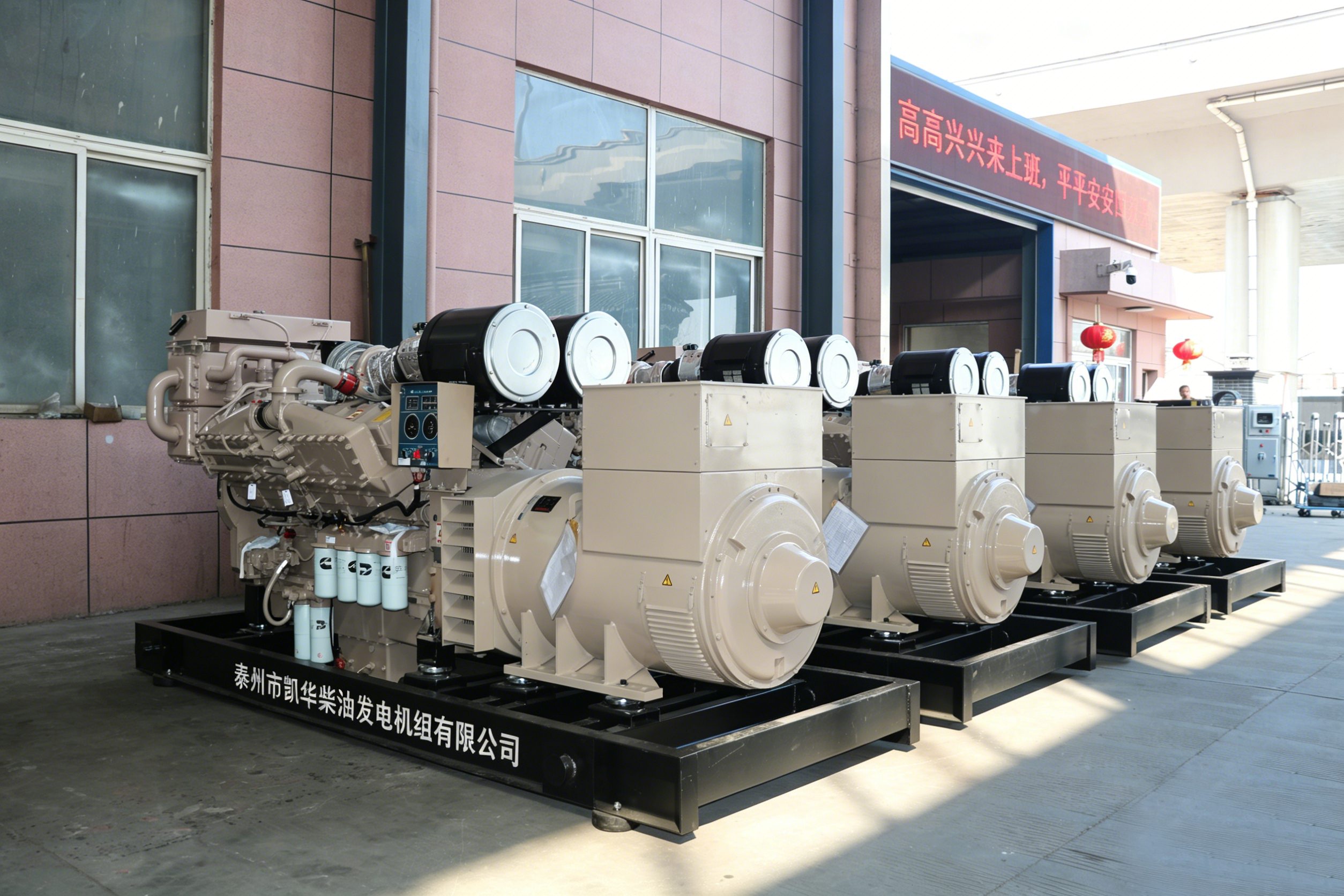
When it comes to marine generators, performance can make or break a day on the water, and the market offers a range of standout models that excel in reliability and efficiency. For instance, brands like WhisperPower and Fischer Panda are often praised for their quiet operation and fuel economy, making them ideal for long cruises where noise and power consumption are critical factors. These units are built with robust components that withstand harsh marine environments, ensuring minimal downtime and consistent power output even in rough seas, which is a game-changer for boaters who rely on uninterrupted energy for navigation and comfort.
Diving deeper into the specifics, some generators, such as those from Kohler or Cummins Onan, are lauded for their advanced features like smart monitoring systems and easy maintenance access. These models often incorporate innovative cooling technologies and corrosion-resistant materials, reducing the need for frequent servicing and extending their lifespan. Users report that these generators handle varying loads seamlessly, from running air conditioning to charging batteries, without the common hiccups of voltage drops or overheating, which sets them apart in crowded product lines.
In practice, boat owners and marine professionals frequently highlight the importance of tailoring a generator to specific vessel needs, such as size and power requirements. Top performers aren't just about raw output; they offer flexibility and user-friendly interfaces that simplify operation. Whether it's a compact model for a sailboat or a heavy-duty unit for a yacht, the best-in-class options provide a balance of power, durability, and ease of use, often backed by strong warranties and customer support, making them a wise investment for anyone serious about marine adventures.
Installation Tips and Best Practices for Marine Generators
When installing a marine generator, start by picking a spot that's dry and away from boats' engines to avoid any vibration or heat issues. It's also smart to make sure there's enough ventilation around it; this helps keep things cool and prevents overheating. Always check if the generator fits well in its spot without blocking access to other parts of the boat, as easy maintenance is key for long-term use.
For electrical connections, use marine-grade wires and secure them tightly to prevent corrosion from saltwater. It's a good idea to add surge protectors and keep the wiring tidy to avoid confusion or damage later on. Testing everything before you finish up can catch small problems early, saving you from bigger headaches down the line.
Don’t forget about routine checks after installation. Keeping a log of when you inspect things like fuel filters or battery levels can help the generator run smoothly for years. Following the manual closely and maybe chatting with other boat owners for tips can make your setup even better suited to your needs.
Maintenance Guidelines to Extend Your Generator's Lifespan
Maintaining your generator properly can mean the difference between a reliable power source and an unexpected breakdown. Start by checking the oil regularly; generators run hot and heavy, so their oil degrades faster than in a car. Change it according to the manufacturer's schedule, but also keep an eye on its color and viscosity. If it looks dark or sludgy, don't wait—replace it to prevent engine wear. It's a simple step that protects the heart of your generator.
Air filters are another critical yet often overlooked component. A clogged filter makes the engine work harder, reducing efficiency and increasing fuel consumption. Inspect it monthly, especially in dusty environments, and clean or replace it as needed. This not only extends the generator's life but also ensures it runs smoother and quieter. Pair this with regular spark plug checks; a faulty plug can lead to poor starting and uneven performance, so swap it out every season or after heavy use.
Lastly, don't forget about fuel management. Stale fuel can gum up the carburetor and fuel lines, causing starting issues and corrosion. Use fuel stabilizers if you store the generator for long periods, and run it dry before storage to prevent residue buildup. Periodic load testing under actual conditions also helps keep parts moving and identifies problems early. By integrating these habits into your routine, you'll maximize your generator's longevity and readiness for when you need it most.
Comparing Fuel Types: Diesel, Gasoline, and Hybrid Options
Let's dive right into the heart of automotive fuel choices, starting with the long-standing contenders: diesel and gasoline. Diesel engines, known for their durability and impressive torque, have traditionally been the go-to for heavy-duty applications like trucks and commercial vehicles. They excel in fuel efficiency, often delivering more miles per gallon compared to gasoline, making them a solid pick for long-distance drivers who prioritize economy. However, they do come with trade-offs—diesel fuel can be pricier in some regions, and the engines tend to produce more nitrogen oxides (NOx) and particulate matter, which has led to stricter emissions regulations in recent years.
On the flip side, gasoline engines—what most of us grew up with—offer a smoother, quieter ride and are generally cheaper to manufacture and maintain. They've improved leaps and bounds in efficiency thanks to technologies like direct injection and turbocharging, but they still lag behind diesel in raw fuel economy for highway driving. Gasoline is also more widely available and tends to burn cleaner in terms of soot, though it emits more carbon dioxide (CO2) per gallon. For city dwellers or those with shorter commutes, the convenience and lower upfront costs of gasoline might outweigh the efficiency gains of diesel.
Enter the hybrid options, which blend the best of both worlds by combining an internal combustion engine (usually gasoline) with an electric motor. These vehicles can switch seamlessly between power sources, boosting fuel efficiency significantly in stop-and-go traffic through regenerative braking. While not as fuel-efficient as pure electric cars on paper, hybrids eliminate range anxiety and don't require charging infrastructure, making them a practical stepping stone for many. They're particularly appealing for urban drivers who want to cut emissions without ditching the familiar refueling routine—and with advancements, some models now rival diesel in long-haul economy too.
Real-World Applications and User Experiences with Marine Generators
Marine generators are essential for powering everything from navigation systems and lighting to refrigeration and communication devices on boats and ships, ensuring safety and comfort during long voyages. They're commonly used in commercial fishing vessels to run fish finders and processing equipment, as well as in luxury yachts for air conditioning and entertainment systems. In emergency situations, these generators provide backup power for critical functions, proving invaluable in remote areas where shore power isn't available.
Users often share stories about how reliable marine generators have saved trips, such as a sailor in the Pacific who relied on one to keep electronics running during a storm, preventing a potential disaster. Others highlight the convenience of having consistent power for amenities like water makers and electric grills, which enhance the onboard experience. However, some note challenges like noise levels or maintenance needs, emphasizing the importance of choosing a model suited to specific vessel types and usage patterns.
In real-world settings, marine generators also support scientific research by powering equipment on expedition ships and aid in humanitarian missions by providing electricity for medical facilities on rescue vessels. User feedback often points to brands known for durability and fuel efficiency, helping prospective buyers make informed decisions based on hands-on experiences rather than just specifications.
FAQ
Prioritize reliability, fuel efficiency, noise level, and marine-grade corrosion resistance—look for models with robust enclosures and stainless-steel components to withstand harsh sea conditions.
Opt for sets with automatic voltage regulation and overload protection, and regularly maintain them with freshwater flushing and corrosion checks to prevent failures at sea.
Efficient fuel use extends cruising range and reduces emissions; inverter-based generators often lead here, balancing output with minimal consumption in variable loads.
Not recommended—marine generators are built to resist saltwater corrosion, include spark arrestors for safety, and meet ventilation standards that land-based models lack.
Flush the cooling system after saltwater use, inspect electrical connections for corrosion monthly, change oil and filters as specified, and run the generator regularly to avoid moisture buildup.
Quieter operation (below 60 dB) enhances comfort during anchored stays; sound-dampened enclosures and vibration isolation mounts are key features to seek for peaceful trips.
Yes, newer lightweight models with high-output alternators and compact designs deliver ample power for essentials like navigation and refrigeration, even on tight decks.
Look for automatic shutdown on low oil or overheating, spark-proof construction, and proper exhaust routing to avoid carbon monoxide buildup in enclosed spaces.
Conclusion
When selecting the best marine generator set for reliable power on the water, it's crucial to evaluate key factors such as power output, noise levels, and fuel efficiency to match your vessel's needs. Top-performing models on the market, like Cummins and Kohler units, stand out for their durability and smooth operation under harsh marine conditions, ensuring uninterrupted electricity for everything from navigation systems to onboard comforts. Integrating installation tips, such as proper ventilation and secure mounting, is essential to optimize performance and safety, while regular maintenance—like oil changes and filter replacements—can significantly extend a generator's lifespan, making it a worthwhile long-term investment for boat owners.
Comparing fuel types, diesel generators are often favored for their efficiency and reliability in marine environments, though gasoline and hybrid options offer flexibility for smaller boats or eco-conscious users. Real-world applications highlight how these generators perform in various scenarios, from fishing trips to extended cruising, with user experiences underscoring the importance of choosing a model that balances power, fuel economy, and ease of use. By considering these aspects holistically, boaters can secure a dependable power source that enhances their maritime adventures without the hassle of frequent breakdowns or high operating costs.
Contact Us
Contact Person: Ms. Lu
Email: [email protected]
Tel/WhatsApp: 8618917899306
Website: https://www.hichaipower.com