
Best Polyethylene Glycol Products Worth Trying
2026-11-16
Polyethylene glycol doesn’t always get the attention it deserves, yet it’s a workhorse in everything from medicine to manufacturing. If you’re tired of inconsistent batches or vague specs, the POLYKEM lineup is a refreshing change. Below, we break down the PEG products that actually deliver—and why they’re worth a spot in your toolkit.
PEG 3350 for Occasional Constipation: What Actually Happens After You Take It
Most people expect a laxative to hit fast—maybe within an hour or two. PEG 3350 doesn't work that way. After you drink the solution, it moves through your stomach and small intestine without being absorbed. Nothing dramatic happens right away. You won't feel cramps, urgency, or any sudden rumbling. The compound simply starts pulling water into your colon and holding it there, which gradually softens whatever stool is already sitting in the lower bowel.
Over the next 24 to 72 hours, that extra water changes the texture of your stool from hard and dry to soft and formed. This is why you might not notice anything for a day or two—the effect builds up rather than forcing a quick evacuation. When you do feel the urge to go, it usually comes on like a normal bowel movement, not an emergency sprint to the bathroom. Some people find their first bowel movement after taking it happens around the second or third morning, especially if they take the dose at the same time each day.
One thing that surprises many users: PEG 3350 doesn't stimulate the intestinal muscles. It's purely osmotic. So if you're used to senna or bisacodyl, which trigger contractions, this will feel much gentler. You might still feel bloated or slightly full for the first day, but that usually fades as the stool absorbs more water and starts moving. For occasional constipation, the real change is consistency—your bowel movement becomes easier to pass without straining, and the whole process feels closer to what your body would do on its own if it had enough water and fiber.
Why Some Polyethylene Glycol Creams Feel Greasy and Others Don’t
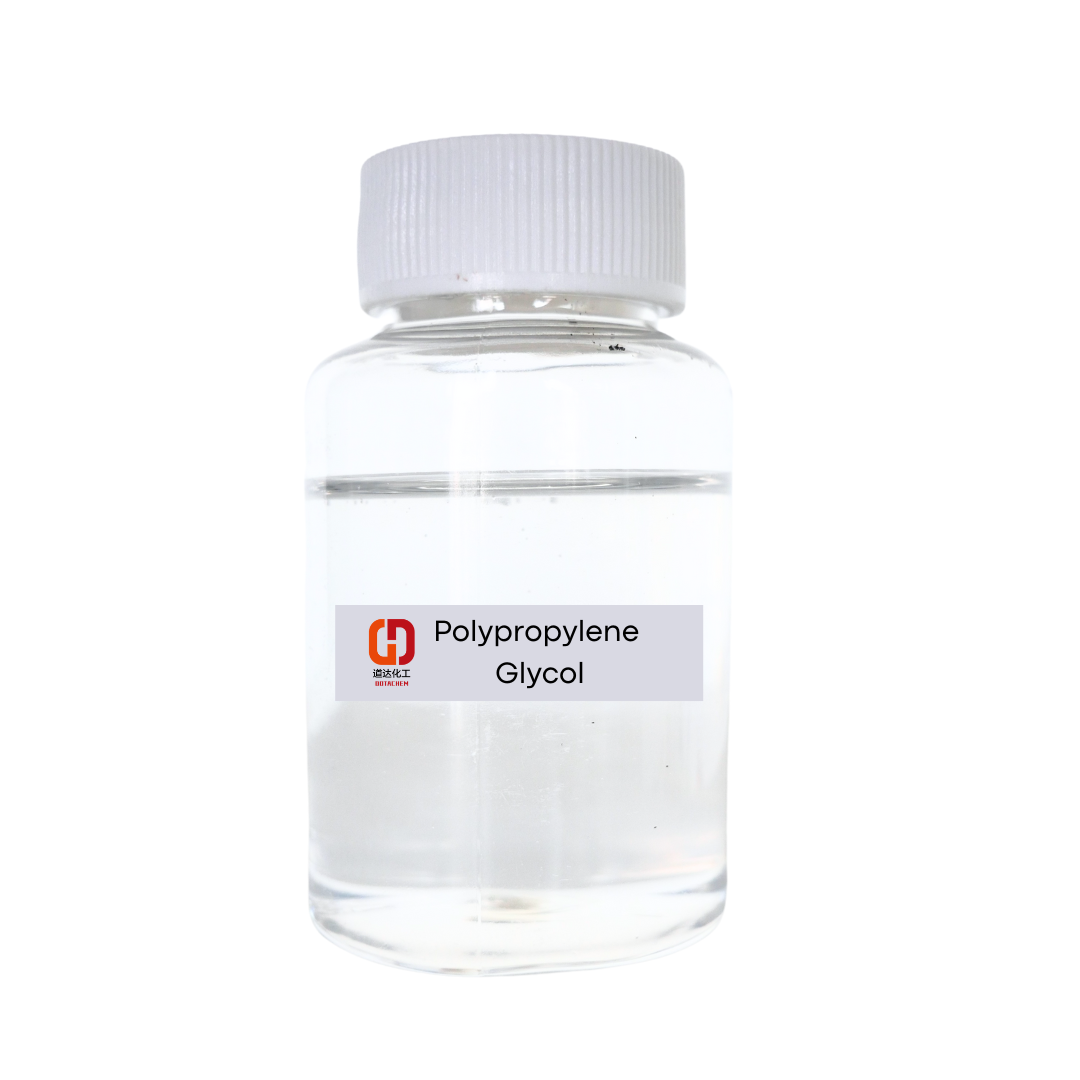
The greasy feel of a polyethylene glycol (PEG) cream often comes down to its molecular weight and the specific type of PEG used. Lower molecular weight PEGs, like PEG 400, act more like humectants and can produce a slick, almost watery film that some users perceive as greasiness. Higher molecular weight versions, such as PEG 4000 or PEG 6000, tend to form thicker occlusive layers, yet they may feel less greasy because they create a smoother, more powdery finish after drying.
Formulation choices also play a significant role. A cream with a high concentration of PEG and little emulsifier balance can sit on the skin rather than absorbing, leaving a residual oily sensation. Conversely, well-emulsified PEG creams that incorporate volatile silicones or lightweight esters can evaporate quickly, cutting the greasy feel dramatically. The pH and presence of other lipids, like fatty alcohols, further shift how the product spreads and settles.
Skin type matters too. Oily or combination skin may amplify any occlusive tendency, making even a moderate PEG cream feel heavier, while dry skin often absorbs the same formula faster and perceives less residue. Testing a small amount on the inner forearm can help you judge how a particular PEG cream will perform on your face before committing to regular use.
Pharmaceutical vs. Technical Grade PEG: Which One Should You Pay For?
PEG, or polyethylene glycol, comes in two distinct tiers that look nearly identical on a spec sheet but behave very differently in practice. Pharmaceutical grade material is manufactured under strict cGMP conditions, with tight limits on residual ethylene oxide, heavy metals, and low-molecular-weight oligomers that can trigger irritation or toxicity. Technical grade PEG, by contrast, is produced for industrial applications where a few percent of impurities, color variation, or inconsistent molecular weight distribution simply doesn't matter. The price gap between them isn't just branding—it reflects the cost of validation, batch-to-batch consistency, and the paperwork that traces every drum from reactor to final container.
Whether you should pay for pharmaceutical grade depends less on the molecule itself and more on what happens after it leaves your facility. If the PEG ends up in a laxative, an injectable excipient, a topical cream, or any product that touches human mucosa or broken skin, the decision is already made for you by regulators—technical grade will not pass. But plenty of formulators waste money the other direction, buying USP-grade PEG for a cutting fluid additive or a wood stabilizer. Those extra purity guarantees buy nothing in terms of performance; an industrial lubricant doesn't care if the ethylene oxide residual is 1 ppm or 50 ppm. The smart approach is to map your actual failure modes: if a batch of technical grade PEG could cause a recall, a rejected lot, or a safety issue, the premium is cheap insurance. If the worst-case scenario is a slightly off-color prototype, you're better off putting that budget into something that actually moves the needle.
One nuance that's easy to overlook is supply chain reliability. Pharmaceutical grade PEG often has longer lead times and smaller lots, because not every facility wants to run a cleaning validation between grades. If you're prototyping with technical grade and planning to scale up with pharmaceutical grade, you may discover that your process behaves differently—viscosity, melting range, and even pH can shift enough to matter. A few companies bridge this by using "purified" or "high-purity technical" PEG, which sits between the two tiers and can be a pragmatic choice for cosmetic or veterinary products where full pharma documentation isn't required. In the end, the question isn't really "which grade should you pay for" but "which set of risks can you afford to own." Answer that first, and the grade selection becomes obvious.
PEG in Lubricants and Coatings: The Ingredient You Never Knew You Needed
Most people associate PEG with laxatives or cosmetic creams, but its quiet work inside industrial lubricants and coatings is where the material truly earns its keep. Polyethylene glycol's predictable chain length lets formulators dial in viscosity, water solubility, and surface tension without resorting to harsh solvents or heavy metal additives.
In metalworking fluids and gear oils, low-molecular-weight PEGs act as boundary lubricants that cling to hot surfaces yet rinse away cleanly with water. This dual behavior reduces friction while preventing sticky residue buildup—a persistent headache with traditional petroleum-based lubes. Meanwhile, higher-molecular-weight grades thicken water-based coatings without clouding the finish, improving brush drag and leveling on porous substrates like wood or concrete.
What makes PEG genuinely indispensable is its ability to disappear from the final product's performance profile. It doesn't leave a greasy film, doesn't attack common seal materials, and doesn't require special handling beyond basic ventilation. For formulators tired of trade-offs between eco-toxicity, film clarity, and long-term stability, PEG is the quiet workhorse that keeps both lubricant and coating systems running smoothly long after the mixing tank has been cleaned.
A No-Nonsense Guide to Picking the Right PEG Molecular Weight
Most people overcomplicate PEG selection by chasing higher molecular weights without a clear reason. Start with the job the PEG needs to do: if you're shielding a small molecule or peptide from rapid clearance, a 2 kDa or 5 kDa chain often adds enough bulk without burying the active site. Jumping straight to 20 kDa or 40 kDa can reduce conjugate yield and make characterization a headache.
For proteins and larger biologics, the trade-off shifts. A longer PEG chain (20–40 kDa) extends circulation half-life and reduces immunogenicity, but it also increases viscosity and can interfere with receptor binding. Test a mid-range option like 10 kDa first if you're unsure—it frequently balances solubility and steric hindrance better than either extreme.
Don't ignore polydispersity. A nominally "20 kDa" PEG can vary enough between suppliers to change your results. Ask for the actual molecular weight distribution, not just the average. If your application is sensitive to aggregation or exact dosing, narrow dispersity material is worth the extra cost.
Polyethylene Glycol Allergies Are Rare, But Here’s What to Watch For
Polyethylene glycol, or PEG, hides in more places than most people realize—pills, laxatives, ultrasound gels, even some processed foods. An actual allergy to it is uncommon, but when it happens, reactions can range from mild skin irritation to sudden, severe anaphylaxis. The tricky part is that PEG is chemically related to polysorbates, so cross-reactions occur, making diagnosis a bit of a puzzle.
Watch for symptoms that appear within minutes to a couple of hours after exposure. Hives, itching, swelling around the eyes or lips, trouble breathing, a racing heart, or a sudden drop in blood pressure all deserve immediate attention. Because PEG comes in different molecular weights, someone might tolerate one form and react violently to another, which is why tracking exactly what product triggered the episode matters so much.
Before any vaccine, colonoscopy prep, or new medication, it's worth asking if polyethylene glycol is in the ingredients—especially if you've had unexplained allergic reactions before. An allergist can do skin testing with higher-molecular-weight PEG, but the results aren't always definitive, so a careful history often does the heavy lifting.
FAQ
For occasional constipation, MiraLAX and similar PEG 3350 powders are often the first choice because they're gentle, tasteless, and easy to mix into any beverage without changing its texture.
A good PEG-based skin cream should list PEG compounds like PEG-100 stearate or PEG-40 hydrogenated castor oil high on the ingredient list, as these help the cream spread smoothly and lock in moisture without feeling greasy.
Yes, lotions with PEG-8 or PEG-12 dimethicone often work well for dry or sensitive skin because they form a breathable barrier that prevents water loss while still allowing the skin to feel light and non-sticky.
In pharmaceuticals, PEGs like PEG 3350 or PEG 400 are used for their ability to draw water into the bowel or act as a solvent for medications, while in cosmetics they usually serve as emollients, thickeners, or penetration enhancers.
Many eye drops and artificial tears contain PEG 400 or PEG 300 as a lubricant, so if you've ever used a rewetting drop for contact lenses or dry eyes, you've likely tried a PEG product without knowing it.
Yes, some toothpastes and mouthwashes include PEG-8 or PEG-40 hydrogenated castor oil to help dissolve flavor oils and keep the formula from separating, so it's a common but often overlooked ingredient in oral care.
PEG-based ointments are water-soluble, which means they wash off easily with water and don't leave a heavy residue, making them a practical alternative to petroleum jelly for wound care or as a base for medicated creams.
Some leave-in conditioners and styling gels use PEG-12 dimethicone or PEG-7 glyceryl cocoate to add slip and reduce frizz without weighing hair down, which can be especially useful for fine or easily tangled hair.
Conclusion
PEG 3350 earns its spot at the top for occasional constipation because it pulls water into the bowel without cramping or sudden urgency. The effect is usually a soft, well-formed stool within one to three days, not an explosive cleanse. When choosing a product, pay attention to molecular weight: 3350 is gentle and predictable, while lower weights like 400 are better suited to creams and liquids where solubility matters more than laxative action. Pharmaceutical-grade PEG costs more, but it's worth the peace of mind if you're ingesting it regularly—technical grade can carry residual ethylene oxide or other impurities that don't belong in your gut.
On the skin and in lubricants, the story shifts. Some polyethylene glycol creams feel greasy because the molecular weight and base oil ratio are off; lighter PEGs absorb faster, heavier ones sit on top and can feel waxy. PEG in personal lubricants and coatings reduces friction without stickiness, which is why it shows up in everything from condom-friendly lubes to tablet coatings. Allergies are rare, but if you notice hives, swelling, or breathing trouble after using a PEG product, stop and see a doctor—especially since PEG is in many laxatives and injectables. Knowing your molecular weight and grade helps you pick the best product without overpaying or settling for a greasy mess.
Contact Us
Contact Person: Levi
Email: [email protected]
Tel/WhatsApp: +86 532 84688720
Website: https://www.polykem-intl.com