

Best Quality Dropper Bottles: A Complete Guide to Choosing the Right Option for Your Needs
2026-11-02
Choosing the right dropper bottle can feel overwhelming when every supplier claims to offer the best quality. That’s exactly why we created this guide: to cut through the noise and help you pinpoint the perfect option for your specific needs—whether it’s for essential oils, serums, or laboratory use. From glass thickness to cap design, we’ll walk you through what actually matters. And if you’re after dropper bottles that consistently deliver on performance, Imagine Craft Packaging is a brand worth keeping in mind. Let’s get started.
What Actually Separates a Great Dropper Bottle from a Forgettable One
The first thing that separates a great dropper bottle from a forgettable one is the seal. A great dropper bottle doesn't just close; it caps with a subtle resistance that tells you the glass and the pipette are aligned. Wall thickness matters, but not for luxury—it's about surviving a drop from the bathroom shelf without cracking the neck. The lip should be smooth, not sharp, so when you withdraw the dropper, the glass isn't scratched and the liquid doesn't wick down the outside.
Then there's the pipette itself. Forgettable bottles use whatever generic bulb and straight tube fit the cap. A great one has a bulb that rebounds quickly, not sluggishly, and a tip that tapers to a small orifice so each squeeze forms a single, clean drop. If you've ever had a serum bottle where the dropper drips after you've set it down, that's a sign of bad capillary design. A well-made pipette holds the liquid in the tip until you squeeze, then stops.
Finally, transparency and material honesty. Amber glass that actually blocks UV, not just tinted for looks. A label that doesn't cover the whole bottle so you can see how much is left. And a cap that doesn't crack at the knurling after three weeks. These aren't premium features; they're the baseline for a bottle that earns its place in your routine instead of getting shoved to the back of the cabinet.
Glass or Plastic? The Choice That Shapes Everything
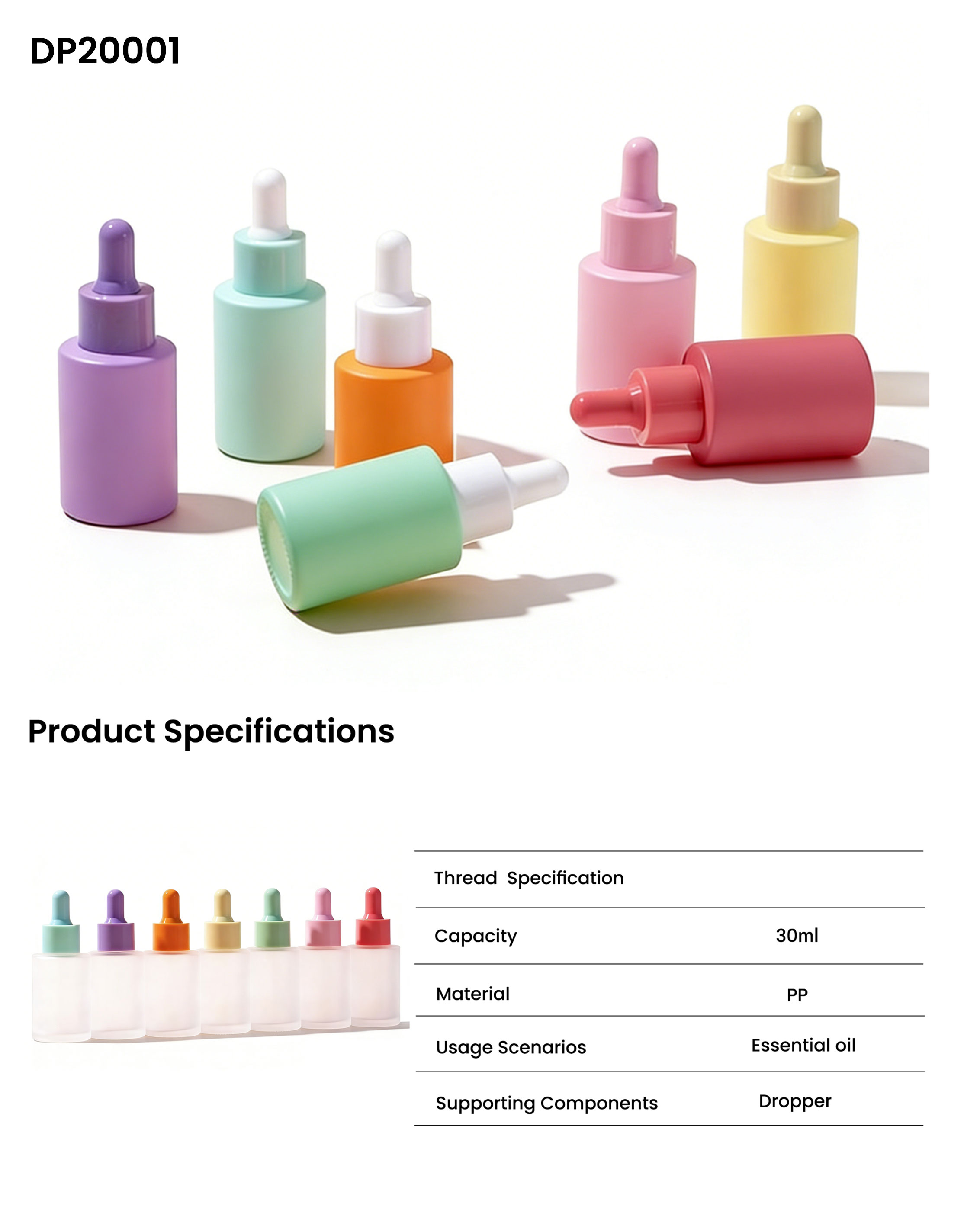
There’s a quiet moment in every grocery aisle when your hand hovers between a glass jar and a plastic bottle. Glass feels heavier, cooler, more permanent—like it belongs on a shelf rather than in a landfill. Plastic promises featherweight convenience and unbreakable portability, yet its longevity in the environment can outlast the product it once held by centuries. Neither material is innocent: glass demands intense heat and sand mining, while plastic starts as fossil fuel and fragments into particles that drift through water and blood.
The real answer isn’t a slogan on a reusable tote bag. It depends on how often the object gets reused, what it touches, and where it ends up. A thin plastic bottle recycled badly does more harm than a glass jar that shatters in a landfill and never breaks down. But a refillable plastic container carried for a decade may beat a heavy glass jar shipped across a continent. The choice isn’t just material—it’s the life you’re willing to give it.
Sizing Secrets Most Buyers Overlook Until It’s Too Late
Most people fixate on the number on the tag and never check the actual garment measurements. A medium from one brand can fit like a small from another, and even within the same label, different cuts vary wildly. Before you order, find the specific size chart for that item and compare it against something you already own and love. Lay your favorite shirt flat, measure it from armpit to armpit, and use that number instead of assuming your usual size will work.
Another detail that gets skipped is fabric behavior. Cotton shrinks, viscose stretches, and polyester holds its shape but can feel tighter across the shoulders. If you are between sizes, think about how the material will react after a few washes or a long day of wear. A snug fit in a stretchy blend might be perfect, while a roomier cut in stiff denim could end up sagging in all the wrong places.
Pay attention to the dimensions nobody talks about: shoulder width, sleeve length, rise, and thigh opening. A jacket can have the right chest size but still pull across your back if the shoulders are cut narrow. Trousers can sit well at the waist but bind at the hips if the rise is too short. These are the measurements that separate a piece you never wear from one you reach for constantly.
How to Spot a Precision Dropper Tip Before You Buy
A quick glance at the tip opening tells you more than any spec sheet. Run your fingertip around the edge—if it feels rough or uneven, move on. Precision tips are machined or molded to a tolerance that leaves no burrs, no flash, and no asymmetry. Hold it up to a light and look straight through the bore: you should see a clean circle, not an oval or a ragged hole. That single check catches most cheap imitations before they ever touch your liquid.
Next, test the fit on the bottle or syringe you already own. A true precision dropper seats with a firm, almost soft snap—no wobble, no forced twist. Give it a gentle side-to-side nudge after assembly. If the tip clicks or shifts, the seal isn't tight enough for repeatable drop sizes. Also check the taper: a long, gradual cone focuses the stream better than a short, blunt shoulder. The best tips feel slightly heavy for their size, a sign of denser polymer or glass that won't flex under pressure.
Finally, watch how the liquid leaves the tip. Put a drop of water on a clean surface and squeeze once. A precision tip releases a single, round drop that falls straight down without dribbling down the outside. If you see a tail, a satellite droplet, or liquid clinging to the edge after the drop falls, the geometry is off. That cling is what ruins your measurements, whether you're dosing supplements, mixing e-liquids, or calibrating reagents. Trust what the drop does—not what the packaging promises.
Leak-Proof Claims You Can Actually Trust
Most brands toss around “leak-proof” like it’s a magic word, but few ever show the receipts. The real difference comes down to how a lid locks, not just how it looks. A trustworthy claim usually points to a specific seal mechanism—like a silicone gasket compressed by a lever clamp or a threaded collar with a double ridge—rather than vague promises of “secure closure.” When you can see the locking action and feel the resistance, you’re not just taking marketing at face value.
Another telltale sign: the company invites abuse. Legitimate leak-proof designs get tested upside down, shaken in a bag with keys, or dropped from waist height onto concrete. And they don’t just survive—they keep the inside dry and the outside clean. Look for detailed test videos or user-submitted stress tests where the bottle takes a beating and still holds coffee, water, or soup without a single drip at the rim. That kind of transparency is hard to fake.
Finally, pay attention to what happens after months of daily use. Cheap seals flatten, threads wear down, and suddenly your bag smells like yesterday’s smoothie. A leak-proof claim you can trust usually comes with replaceable gaskets or a warranty that covers seal failure—not just manufacturing defects. If the company is willing to stand behind the seal for years, not just the first week, that’s a signal they’ve actually engineered for the long haul instead of printing a label.
Matching the Bottle to the Liquid (Not the Other Way Around)
Most people start with a bottle they like and then hunt for a liquid that fits. That approach feels practical—grab whatever container is on hand, pour, and go. But liquids are far less forgiving than glass or plastic. A solvent that eats through a certain polymer, an oil that turns rancid under UV light, or a syrup too viscous for a narrow neck can ruin both the contents and the container. The smarter sequence is to examine the liquid's chemical profile first: its acidity, volatility, sensitivity to light, and how it behaves at different temperatures. Only then do you choose a bottle material, closure, and shape that will actually protect it.
Think of the bottle as a service worker for the liquid, not the other way around. A high-ethanol tincture demands glass with a tight-fitting cap, not a squeeze bottle that lets vapor escape. An essential oil blend needs amber or cobalt glass to block light, while a water-based cleanser might be perfectly happy in PET plastic. Even the opening matters—a thick body lotion poured into a bottle with a tiny orifice becomes a daily frustration, whereas a wide-mouth jar or a pump top makes more sense. When you start with the liquid's needs, the bottle choice becomes obvious rather than a compromise.
This shift in thinking also saves money and reduces waste. Buying a pretty bottle first often leads to buying a second bottle once you realize the first one leaks, reacts, or simply doesn't dispense well. By analyzing the liquid's properties before shopping, you avoid that trial-and-error loop. It's a small habit that separates a thoughtful formulator from someone who just fills containers. The liquid is the boss; the bottle is the employee. Hire the right employee for the job.
FAQ
Glass and PET plastic are the main options. Glass offers better chemical resistance and a premium feel, but it's heavier and more fragile. PET is lightweight and shatterproof, though it may interact with certain essential oils over time. For most DIY skincare or lab use, amber or cobalt glass is preferred because it blocks UV light and extends shelf life.
Consider the viscosity and typical dose. For thin liquids like serums or tinctures, a standard 1-2 ml dropper works well. For thicker oils, a larger orifice or a bulb dropper with a wider tip helps. Also think about the bottle capacity—a 30 ml bottle usually pairs with a 1 ml dropper, while 50-100 ml bottles may need 2-3 ml droppers.
Glass pipettes give precise control and are easy to clean, but they can break and are not ideal for travel. Plastic squeeze droppers (like those on eye drops) are more durable and child-resistant options exist, but they may dispense less consistently and are harder to sanitize. For essential oil blends, glass pipettes are often preferred because plastic can absorb odors.
Look for a tight-fitting rubber bulb or a tamper-evident cap. A quality seal should prevent leaks when the bottle is inverted and should not allow air to enter easily, which could oxidize the contents. Test by filling with water, tightening the cap, and shaking gently—no droplets should escape. Also check for a smooth thread on the bottle neck.
Not always. Amber glass blocks UV light, which is crucial for light-sensitive ingredients like essential oils, vitamins, and certain pharmaceuticals. If your product is stored in a dark place and used quickly, clear glass can be fine and lets you show off the color. For long-term storage or retail shelves, amber or cobalt is a safer choice.
Choose leak-proof caps and consider plastic over glass to avoid breakage. Look for bottles with a screw-on cap that has a built-in dropper tip, or use a separate travel-sized dropper bottle with a tight seal. Silicone sleeves can add grip and protection. Also check TSA size limits if flying—most travel dropper bottles are under 30 ml.
Yes, but thorough cleaning is essential. Glass bottles can be boiled or soaked in isopropyl alcohol. Plastic bottles should be washed with warm soapy water and rinsed well, but avoid harsh chemicals that could degrade the plastic. Be aware that strong fragrances or oils may linger in the rubber bulb or plastic, so it's best to dedicate bottles to similar product types.
Check the manufacturer's specifications. Food-grade bottles are typically made from FDA-approved materials like Type III soda-lime glass or food-safe PET, and they may have a food-grade silicone bulb. Cosmetic-grade bottles might prioritize aesthetics and UV protection but could use similar materials. Always verify certifications or ask the supplier for compliance documents if you plan to use the bottle for ingestibles.
Conclusion
A dropper bottle earns its keep through the details most buyers only notice after a leak ruins a bag or a clumsy tip wastes an expensive serum. Glass and plastic each earn their place: borosilicate glass keeps essential oils and high-alcohol formulas stable without leaching, while PET or HDPE shrugs off drops that would shatter glass and costs less to ship. But the real difference hides in the neck finish, cap liner, and how securely the bulb seats against the pipette. A bottle that looks premium can still dribble if the liner warps or the threads are shallow. Sizing goes far beyond milliliters—orifice diameter, drip volume per squeeze, and the pipette's draw length determine whether you dispense a single drop or a messy stream. Matching these to your liquid's viscosity changes everything: a thick facial oil needs a wider tip than a watery toner.
Leak-proof claims deserve skepticism until you test the cap under pressure and with the actual formulation, not water. A good liner compresses evenly and springs back after repeated openings; a cheap one flattens and fails. The precision dropper tip is equally telling—check for a straight glass pipette, a smooth rubber bulb with consistent rebound, and a tip that doesn't chip at the edge. Light-sensitive actives like vitamin C beg for amber or cobalt glass, while frequent travelers may sacrifice glass elegance for a snug plastic alternative that won't crack in transit. The real skill is letting the liquid dictate the bottle: high-viscosity gels need a wider opening and a shorter draw, while volatile oils demand a tight seal and uv protection. When those choices align, the bottle disappears into the background and the product works exactly as intended.
Contact Us
Contact Person: Sunnie
Email: [email protected]
Tel/WhatsApp: +8615818596517
Website: https://www.imagine-craft.com/