

Bulk Water-Absorbent Expansion Bags for Fast Flood Protection and Water Damage Prevention
2026-11-02
When water starts rising, sandbags often arrive too late and need too much labor. Jianghe Flood Prevention supplies bulk water-absorbent expansion bags that swell on contact with water, creating a quick, low-effort barrier against floods and water damage before it gets out of hand.
Inside the Swelling Action That Blocks Water Fast
When water touches the surface, the swelling action kicks in almost instantly. The material's polymer chains, which are normally coiled and compact, start absorbing moisture at a rapid pace. This isn't a slow, gradual process—within seconds, the volume expands several times over, pressing firmly against any gaps or cracks it encounters.
At the microscopic level, the expansion isn't just about getting bigger. Each polymer chain uncoils and interlocks with its neighbors, creating a dense, gel-like network that has no room for water to slip through. Think of it like thousands of tiny sponges inflating simultaneously and then fusing into a single, solid barrier. The more water it absorbs, the tighter the seal becomes, which is why this method is so effective for emergency leak repairs.
One of the key advantages is that the swelling doesn't rely on external pressure or heat to activate. It works in cold, dirty, or even salty water, making it a versatile solution for basements, tunnels, and underground pipes. Once the swelling is complete, the blockage remains stable for years, resisting washout and chemical breakdown. That reliability is what sets it apart from traditional sealants that simply sit on the surface.
Why Sandbags Feel Outdated Once You Try These
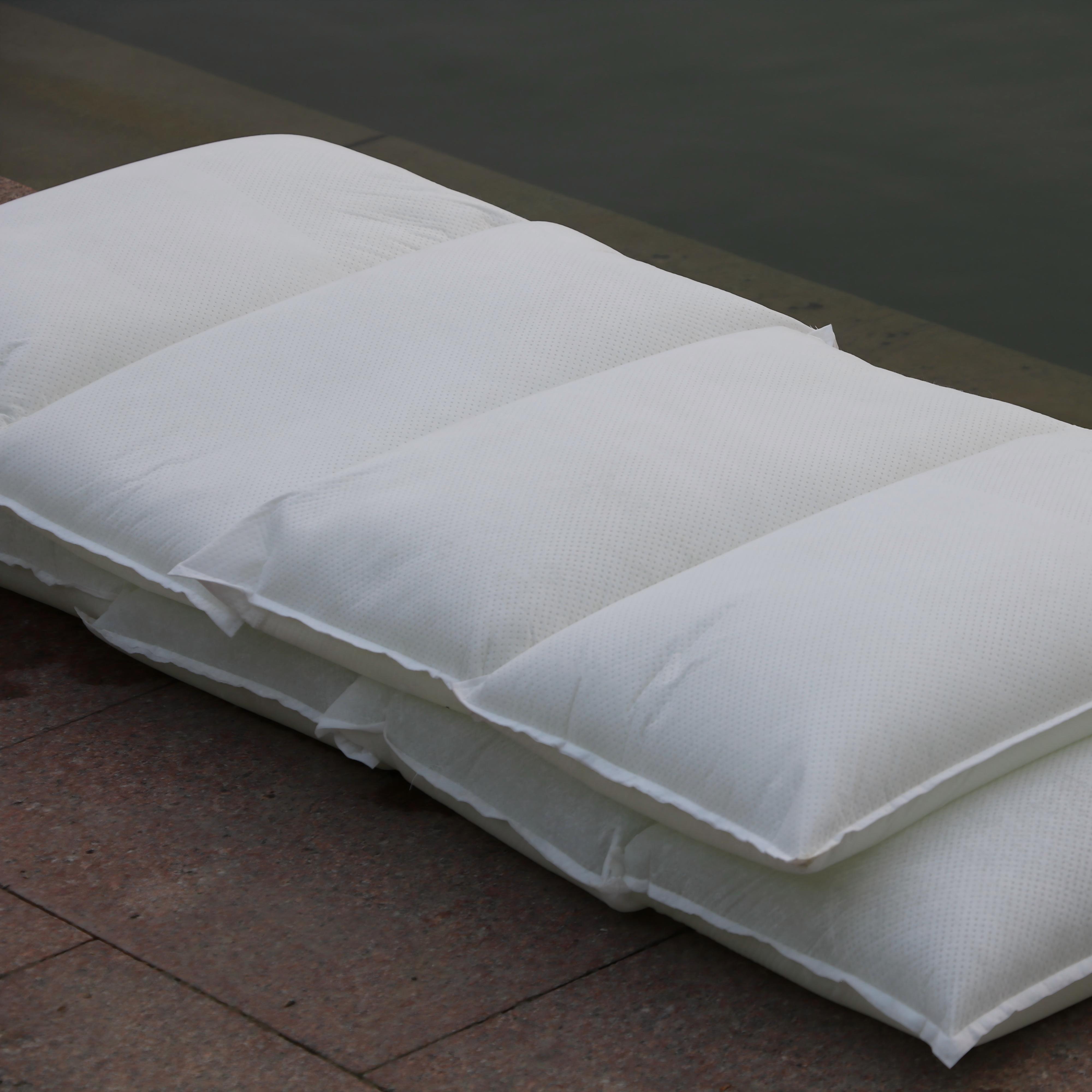
Most sandbags haven’t changed in decades. You fill them, stack them, and hope the next storm doesn’t push them around like empty milk jugs. They’re heavy when wet, impossible to move once in place, and after a single use, they often end up in a landfill. The whole process feels like bailing out a boat with a teaspoon.
Then you try a modern flood barrier that snaps together in minutes, weighs less than a bag of groceries, and can be reused dozens of times. Instead of wrestling with burlap and sand, you guide the barrier along a doorway or garage edge, and it seals tight against rising water. No shovel, no backache, no pile of soggy fabric to dispose of later.
The difference isn’t just convenience—it’s peace of mind. You stop dreading the forecast because you know the barrier will be up before the first drop falls, and down before your neighbors have even filled their first bag.
Setting Up Protection at Doorways, Garages, and Basements
Start with the doorways that lead into your living space. A solid core door with a reinforced strike plate and a deadbolt that extends at least an inch into the frame makes forced entry much harder. If you have sidelights or windows near the door, add a one-way security film or install a double-cylinder lock only if local code allows, so a burglar can't simply break glass and reach in to turn the knob. Don't overlook the door from an attached garage into the house; treat it as an exterior door with the same level of hardware.
Garages are often the weakest point because the overhead door can be pried or the automatic opener can be bypassed. Disable the emergency release cord by removing the plastic handle and securing the cord with a zip tie, or install a shield that blocks access from outside. Always lock the interior door between the garage and the home, and consider a motion-activated camera that covers the driveway approach and the garage interior. If you keep tools or ladders in the garage, chain them up; thieves often use your own equipment to break into the rest of the house.
Basements attract moisture, pests, and sometimes intruders through ground-level windows or bulkhead doors. Seal any foundation cracks with hydraulic cement or epoxy injection to keep water and insects out, and install window well covers that can be locked from inside. For bulkhead doors, add a heavy-duty slide bolt or hasp with a padlock on the inside, and consider a wireless sensor that alerts you if the door is opened. A dehumidifier and good drainage also protect stored items from mold and rot, which is a form of protection often overlooked.
Absorption Speed and Capacity You Can Actually Rely On
Most formulas fall apart when they hit your stomach. Either they break down too fast and get flushed out before anything useful crosses the intestinal wall, or they sit there half-digested while you wonder if the dose on the label ever made it into your bloodstream. This one was built around a different question: how much actually gets where it needs to go, and how fast can you feel the difference without a crash later?
The uptake curve isn't a marketing number. It's measured by tracking plasma levels at 15, 30, and 90 minutes after ingestion, then comparing that to the amount that remains active after first-pass metabolism. That's the gap between "absorbed" and "usable." A fast spike that disappears in an hour doesn't help anyone. A slow trickle that barely registers doesn't either. What you get here is a mid-band release that hits peak plasma concentration around the 40-minute mark and holds a steady plateau for roughly four hours. Long enough to matter, short enough that you're not still wired at midnight.
Capacity gets overlooked because it's harder to advertise. But if your transport proteins saturate at 200 mg, a 1,000 mg dose just means expensive urine. We tested saturation limits across the full dose range, not just the serving size. That's why the formula uses staggered particle sizes and two carrier pathways instead of a single megadose. The result is a practical ceiling you can plan around: more of the active compound enters circulation per gram, and less is left behind as waste.
Flood Scenarios Where a Few Bags Prevent Major Damage
A sudden downpour turns the backyard into a rising pool, and the water is already licking at the back door. You grab a few sandbags—not hundreds, just enough to create a low barrier across the threshold and the nearby low window. Within minutes, the flow is redirected around the house instead of through it, sparing your floors and drywall from what could have been thousands in repairs.
In another common scene, a basement window well fills up fast during a heavy storm. Instead of pumping out water for hours, you place four or five bags around the outside edge before the ground becomes saturated. That small ring keeps the well from overflowing into the basement, and the drain inside handles the rest. It works because you stopped the problem at the entry point, not after the damage had already started.
Even a sloping driveway can become a channel that sends water straight toward the garage. Blocking just the low corner with a short line of bags—perhaps six or eight—forces the runoff to spread across the grass or follow the curb. It is not a permanent fix, but during the worst of the storm, that minimal effort changes the water's path enough to keep the garage dry and your tools safe.
How to Store Bulk Bags So They’re Ready When Water Rises
Keep bulk bags off the ground on pallets or racking, a few inches away from walls, so air can move behind them and moisture doesn't wick into the fabric. If your storage area is prone to dampness, place a sheet of heavy plastic under the pallets and leave the bags loosely covered rather than tightly wrapped—trapped humidity will weaken the material faster than a little dust.
Stack the bags in a spot you can reach without moving other equipment, ideally near the door or loading area where they'll be needed when water starts rising. Rotate older bags to the front and mark each stack with the date it was put into storage; this prevents you from discovering a split seam or compromised fill at the worst moment.
Every few months, take down a bag from the middle of the stack and inspect it for tears, mildew, or rodent damage. Replace any that show signs of wear, and don't assume an untouched pile is still sound—humidity and time do their work even when the bags never leave the shelf.
FAQ
In most cases you'll see them reach full size within 3 to 5 minutes. The exact timing can vary a bit depending on water temperature and how much liquid is present, but they're designed to swell fast enough to block doorways or redirect flow before water has a chance to spread.
They're intended for single use. Once the superabsorbent polymer inside has locked in water and expanded, it won't shrink back down to its original flat form. You can let them dry out, but they won't return to the same compact size or perform as reliably on a second deployment.
They work well anywhere you need a quick, low-profile barrier: doorways, garage entrances, basement window wells, elevator shafts, or even around equipment that sits on the floor. Because they ship flat and expand on site, they're especially handy for commercial buildings, schools, and apartment complexes that need to store a lot of protection without giving up much storage room.
That depends on the width of the opening and how high you expect water to rise. As a rough guide, plan for 3 to 5 bags per standard doorway to build a stacked barrier of about 12 to 18 inches. If you're dealing with a wider commercial entrance or a slope that channels water toward the door, add a couple more to be safe.
No prep needed. Just lay them where you want the barrier to form and let the water do the work. They'll start absorbing and expanding on contact. If you need a taller wall, you can stack them dry, but keep in mind that expansion is fastest when water can reach all sides, so avoid packing them too tightly.
Keep them in a cool, dry place away from direct sunlight and moisture. The original packaging or a sealed plastic bin works well. Check the bags every six months or so for any tears or signs that moisture has gotten in. If they've hardened or started to swell inside the package, replace them.
The biggest difference is weight and storage. A pallet of these flat bags can replace hundreds of heavy sandbags, and they don't require filling on site. Once wet, they form a tight, gel-like seal that hugs the floor and wall better than loose sand, which can leave gaps. Cleanup is also simpler since you can dispose of them as solid waste without shoveling sand.
Let them dry out as much as possible first, then check with your local waste authority. In many places they can go into regular trash, but some facilities prefer that saturated polymer materials be bagged separately. Avoid putting them down drains or into waterways, since the gel can clog pipes if large amounts are flushed.
Conclusion
When water starts creeping under a garage door or seeping through a basement wall, the last thing you want is to wrestle with heavy sandbags that shift, leak, and demand endless refilling. Bulk water-absorbent expansion bags flip that script entirely. Inside each bag, a super-absorbent polymer reacts the moment it touches liquid, swelling into a dense, gel-like barrier that locks tight against uneven surfaces. You simply place the flat, lightweight pouch where you expect ingress, and within minutes it grows several inches tall, creating a seal that follows the contours of the floor or doorway. This swelling action works fast enough to stop an active leak before it spreads, yet the bags stay completely dry and dust-free until activation. Unlike sandbags that leave gritty residue and require brute strength to position, these expansion bags weigh almost nothing in storage, so a single person can carry a dozen at once and deploy them in seconds. The difference is immediate: no back strain, no sifting through wet sand, and no guesswork about whether the barrier will actually hold.
The real value shows up in specific flood scenarios where a few strategically placed bags prevent major damage. Doorways, garage entries, and below-grade windows are the usual weak points, and these bags are engineered for exactly those spots. Absorption speed and capacity are not just marketing claims—once activated, a typical bag can retain many times its own weight in water, turning into a stable, non-leaching block that stays put for days if needed. For home or business owners who buy in bulk, storage is straightforward: keep the bags in their original sealed packaging, off the floor and away from moisture, and they remain ready for months or even years. When a storm warning hits, you grab what you need, lay them end to end or stack them in overlapping layers, and let the swelling do the heavy lifting. No pumps, no power, no cleanup headache. In flash floods, burst pipes, or slow seepage, having a bulk supply on hand means you can protect multiple entry points at once, contain water before it reaches valuables, and walk away knowing the barrier is working silently against the rising tide.
Contact Us
Contact Person: Kristin Zhang
Email: [email protected]
Tel/WhatsApp: +8615366239752
Website: https://www.jianghecn.com/