

China Color Changing Aluminum Cup Sourcing: A Practical Guide for Global Buyers
2026-11-18
Sourcing color changing aluminum cups from China sounds straightforward until a shipment arrives with uneven coatings and colors that shift at the wrong temperature. Global buyers quickly learn that low unit prices mean little if the thermochromic layer fails after a few washes. This guide focuses on the details that separate reliable suppliers from costly mistakes—and why APEXAL has become a reference point in this niche.
Why This Product Category Punishes Rushed Sourcing
Rushed sourcing in this category rarely shows its true cost at the purchase order stage. It shows up weeks later when tolerances drift, packaging fails a basic drop test, or a batch arrives with material certificates that do not match the spec sheet. Once you are that far downstream, the cheaper unit price has already been swallowed by rework, air freight, and customer service time.
The supplier base also tends to reward consistency. Factories that make these products plan capacity around repeat orders and long-term forecasts. When you jump in late and push for an aggressive delivery date, you are not just asking for a production slot; you are asking someone else to absorb compressed setup times, overtime labor, and rushed incoming inspection. Those costs usually come back in subtle ways: less flexible payment terms, lower priority on future reorders, or a batch that barely clears the minimum standard.
There is also a quieter risk around compliance and documentation. Materials, coatings, restricted substances, and regional certification requirements do not speed up simply because a launch date is fixed. If the paperwork trail is incomplete, one rejected shipment can delay the entire product rollout longer than the sourcing phase itself would have taken with a realistic lead time.
From Color Chemistry to Factory Floor Realities
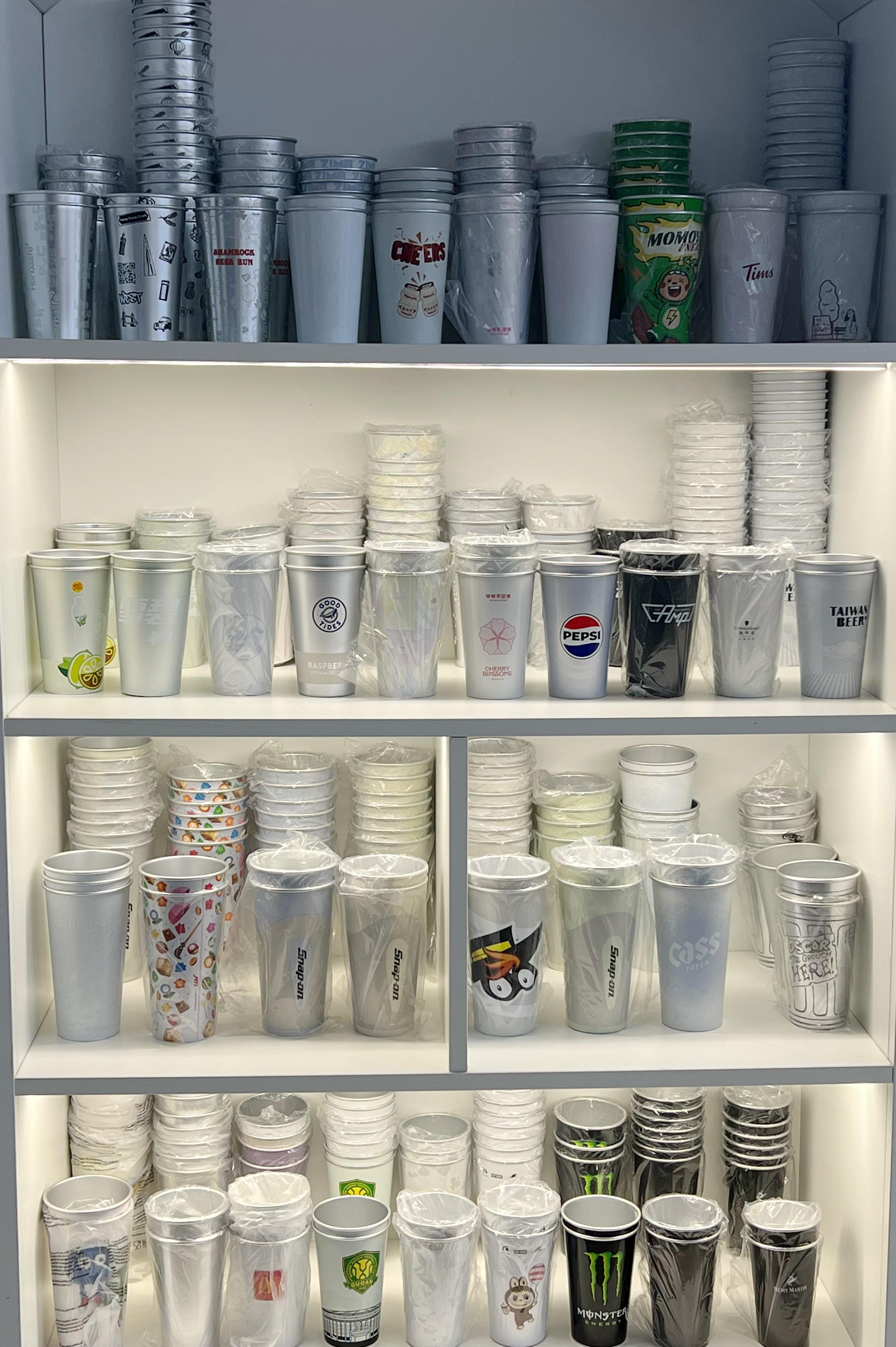
A color formula that sings in a beaker can fall embarrassingly flat once it meets a production mixer. Lab dispersions are crafted under near-ideal shear, with tightly controlled pigment lots and a solvent blend that hasn’t been sitting in a tank for three days. The factory floor, by contrast, throws in variables nobody writes into the standard operating procedure: a pump that cavitates at 40°C, a mill that runs hotter on second shift, or a batch of resin whose acid value drifted just enough to shift the hue. What looked like a six-sigma match on the spectrophotometer becomes a customer complaint about a “muddy” red.
Most of the real work lives in the gap between the theoretical color space and the tolerated deviation on a powder-coated panel. That gap is not solved by better math alone, but by building feedback loops from the floor back to the bench—testing not just the finished drawdown, but the grind paste at mid-cycle, checking rheology after letdown, and tracking how a three-degree rise in ambient temperature moves the final gloss. Operators who have felt the same pigment paste thicken on a humid Friday know things that a perfectly calibrated lab never will.
Closing the loop means rethinking what “robust” actually means. A formula that survives only when every parameter is frozen is not a production formula; it is a fragile ideal. The stronger approach accepts that raw materials breathe, equipment ages, and shifts differ. The color chemist who spends time beside the mixer—watching how the vortex forms, listening to the mill tone change, tasting the moment the batch lets down clean—starts to write recipes that hold color not despite floor realities, but because they were designed around them.
Reading a Quote Beyond the Unit Price
A quote that looks cheaper on paper often turns expensive once delivery timelines slip or material substitutions creep in. The unit price is only the starting point; freight, minimum order quantities, payment terms, and the cost of fixing mistakes all shape what you actually pay.
I usually read a supplier's quote the way I would scan a contract: checking for what is not spelled out. Lead times, warranty coverage, packaging standards, and whether the price assumes a certain order volume matter more than a few cents shaved off the line item.
The real comparison happens after the numbers. Two suppliers can quote the same unit price, yet one leaves you chasing updates while the other ships on schedule with predictable quality. That difference never appears on the pricing table, but it shows up in your operating costs.
Sampling Steps That Separate Workable Cups From Rejects
A practical sampling routine often starts with a simple squeeze test. Press the rim gently between your thumb and forefinger, rotating the cup a quarter turn at a time. Cups that hold their shape without creaking or collapsing usually indicate a material blend stiff enough to survive filling and capping lines. If the sidewall gives too easily or leaves a sharp fold, that cup is already telling you it belongs in the reject bin.
Next comes the fill-and-tilt check. Pour water to the nominal fill line, cap it, then tilt the cup slowly to about forty-five degrees. Watch the lid seam and the sidewall near the bottom. A workable cup will flex slightly but spring back without leaking or popping the lid. Rejects tend to show a slow drip at the seal or a visible buckling along the lower third. Doing this with three or four cups from the same batch helps separate bad luck from a genuine wall-thickness problem.
Finally, let the filled cups rest for ten minutes on a dry paper towel, then check the towel for moisture and the base for any softening. Some cups look fine until the liquid has time to interact with the coating, so this wait step catches defects that quick checks miss. If the base still feels firm and the towel remains dry, the sample is likely ready for a full production run.
Contract Details That Protect Custom Finishes
A finish can look flawless in the showroom and still fail on-site when the contract never pins down the exact product, sheen, or application method. One of the strongest protections is a signed finish sample that both parties keep. That sample becomes the measurable standard—not a verbal promise or a catalog photo. If the installed finish deviates in tone, texture, or reflectivity, the contract should state that the contractor redoes it at no additional cost, including adjacent surfaces if a patch repair cannot be blended invisibly.
Equally important is what happens after the job is finished. Custom finishes often require specific maintenance, and future touch-ups can turn into blotchy patches if the original formula isn't documented. A useful clause requires the contractor to provide a leftover quantity of the exact mixed product, along with batch numbers and a written touch-up procedure. This gives the owner the ability to repair minor damage without chasing down long-gone subcontractors or discovering the original color was discontinued.
Finally, the contract should address substitutions before they happen. Many disputes start when a specified material is out of stock and a “comparable” product appears on-site. Require written approval for any substitution, with the replacement sample attached and signed before work continues. Otherwise, the owner ends up arguing about whether a slightly warmer grey or a flatter lacquer is acceptable after the walls are already covered.
Shipping Methods That Keep the Effect Alive
Most carriers treat a box like just another box, so the real work starts before it leaves the warehouse. We pack temperature-sensitive items with gel packs that are pre-conditioned to the right range, then wrap the whole load in a reflective liner. It is not fancy packaging for the sake of it; it keeps the formula from swinging through hot truck trailers and cold cargo holds.
The route matters as much as the box. Instead of letting shipments sit in a regional hub over the weekend, we move them through overnight or two-day lanes that have a shorter chain of handoffs. That cuts down on the time the product spends in unventilated depots, which is where a lot of subtle damage happens.
There is still a human check at the end. Before a package goes out, the seal and the coolant weight are logged, and anything that does not match the expected range gets repacked rather than shipped. It slows things down by a few minutes, but it means the product arrives with its texture, smell, and strength intact.
FAQ
Start with the coating process. Many factories outsource the thermochromic layer, which affects both color consistency and lead time. Ask whether the coating is applied in-house, request samples from two separate production runs, and confirm the color shift temperature range matches the drink temperatures in your target market.
The exterior is coated with a thermochromic pigment that changes its molecular structure at a set temperature threshold, usually between 15 and 25 degrees Celsius. When cold liquid hits the inner wall, the outer layer shifts color. The real concern is how well the pigment holds up through repeated washing and temperature cycling.
For stock molds and standard sizes, many factories accept 500 to 1,000 units per color. If you need a custom shape, a specific inner coating, or exclusive packaging, the minimum often rises to 3,000 units or more because mold fees and setup costs have to be spread across the order.
Uneven color transition, fading after several wash cycles, and scratches near the rim are the most common hidden issues. Before production, ask for a dishwasher simulation test and a thermal cycling test, then write the acceptable number of cycles into the purchase contract so there is a clear standard for inspection.
Suppliers can match many color combinations, but some transitions are harder to execute cleanly. High-contrast changes may require a higher pigment load and can affect opacity or surface smoothness. Always ask for a lab dip and a video showing the cup at cold and room temperature before giving final approval.
Use individual poly bags to prevent surface friction, and avoid shrink wrapping directly against the coated exterior. For ocean freight, ask the factory to pack cups with dividers and include a moisture barrier. High humidity inside a container can affect the thermochromic layer before the goods even reach the warehouse.
For the United States, request food contact compliance for the inner coating and the aluminum substrate. For the European Union, ask for a Declaration of Compliance covering food contact materials. Some buyers also request California Proposition 65 testing if the cups will be sold in that state.
The price spread usually comes from the thermochromic pigment source, coating thickness, and whether a primer layer is used. Cheaper quotes often skip the primer or use lower-grade pigments that fade faster. Ask suppliers to list the pigment brand, coating layers, and expected color change cycles directly in the quotation.
Conclusion
Sourcing color-changing aluminum cups from China rarely rewards buyers who treat the finish as a simple commodity swap. The effect depends on precise pigment chemistry, coating adhesion, and consistent oven profiles, so a factory that quotes the lowest unit price often hides thinner coatings, narrower activation ranges, or pigments that fade after repeated use. Before comparing quotes, buyers should verify how the supplier controls the color shift temperature, whether the aluminum substrate is properly pretreated, and how batch samples are pulled from running production rather than prepared as one-off showpieces.
A reliable order also needs more than a promising sample. Contracts should lock down the exact color travel reference, the minimum number of color-change cycles, and penalty terms for finish peeling or uneven shading, while packaging and shipping must avoid pressure, moisture, and heat spikes that can dull the thermochromic layer before it reaches retail shelves. Taking extra time at the sampling and contract stage may feel slower, but it is the only practical way to keep the color effect alive from a Chinese production line to the final buyer’s hand.
Contact Us
Contact Person: Milo
Email: [email protected]
Tel/WhatsApp: +86 18621923991
Website: https://www.dgbaide.com