

CNC Parts Exporter Essentials for Global Manufacturers
2026-11-02
When a German automaker discovers a batch of CNC-machined brackets from overseas is 0.02 mm off spec, the cost isn’t measured in rework hours—it’s measured in halted production lines and missed delivery windows. For global manufacturers, choosing a CNC parts exporter isn’t just about unit price; it’s about trusting someone to handle tolerances, certifications, and cross-border logistics without the usual finger-pointing. That’s where Peak Fasten changes the conversation. This post unpacks the essentials every manufacturer should demand before signing off on a shipment.
Material Traceability That Survives a Supply Chain Shake-Up
Traceability often collapses the moment a supplier fails or a logistics route shifts. A system built on rigid, single-chain links cannot absorb that kind of shock. The alternative is to embed material identity into the product itself, not just into a database that points to a now-defunct source. Physical markers, isotopic signatures, or tamper-evident additive codes travel with the material regardless of who handles it next. When a tier-two supplier disappears overnight, the material's own story remains legible, and the downstream buyer can still verify origin, composition, and compliance without relying on a broken paper trail.
The real test comes during handoffs between unfamiliar parties. If traceability depends on a shared platform that a new supplier has never used, adoption stalls and information gaps widen. More durable approaches treat traceability as a property of the object, not of the network. Each unit of material carries enough embedded data—whether through minute chemical tags, laser-etched identifiers, or distributed ledger entries anchored to a physical feature—to be read independently. That means a sudden substitution in raw feedstock or a rerouted component batch does not erase history; it simply adds another verified event to the chain.
Designing for disruption also means resisting the urge to centralize verification. A single authoritative registry becomes a bottleneck and a target. Instead, traceability should allow multiple independent readings of the same material, with each reading adding weight without requiring permission from an original issuer. This is how traceability survives a shake-up: not by predicting every possible disruption, but by making the material's provenance self-evident enough to be reconstructed from evidence that remains when the usual channels fail.
Tolerances Your Overseas Buyers Won't Need to Re-Check
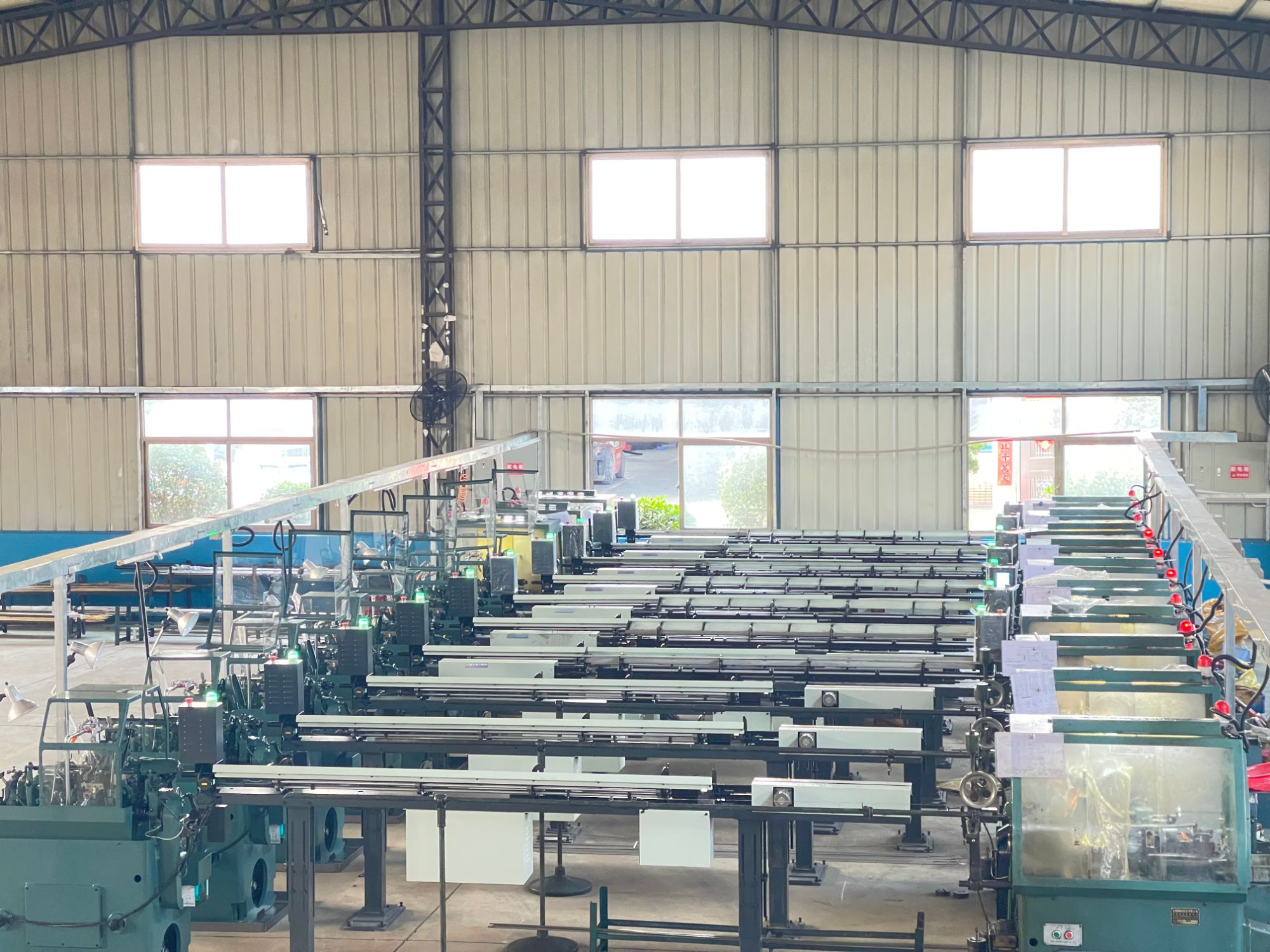
When you set tolerances tight enough from the start, your overseas buyers stop treating every shipment like a first article inspection. They don't need to pull out calipers or run a CMM program on arrival because the numbers already match what was agreed. That quiet confidence comes from repeatable processes, not luck.
The real payoff shows up in their warehouse workflow. Boxes move straight from receiving to the line without a quarantine hold. No back-and-forth emails with measurement reports attached. No extra inspection fees. You've essentially pre-cleared the quality gate for them, which means their lead times shrink and your relationship becomes less about policing and more about planning.
To get there, focus on the tolerances that actually matter for fit and function, then hold them tighter than the drawing requires. Document every setup change. Ship with a simple dimensional report that's easy to verify at a glance. Once buyers realize they can trust your numbers, re-checks become a formality they may skip entirely.
Export Documents That Don't Get Stuck at the Border
Most border delays trace back to one thing: paperwork that does not match the country's exact requirements. A commercial invoice that lists product descriptions as generic terms like samples instead of the precise HS code, or a certificate of origin with a missing signature, can hold a shipment for days. Before you even book freight, pull the destination's current import checklist and compare it line by line with what you plan to send.
One mistake people make is reusing the same document set for every customer. Brazil demands a different set of declarations than Vietnam, and both change without much public notice. Keep a working file per country, note the last time you verified each form, and set a calendar reminder to recheck rules every quarter. If you work with a freight forwarder, ask them to flag any recent rejections they have seen—they will often know about a new stamp requirement weeks before it appears on a government website.
Also, do not overlook the small formatting details: some customs offices want the gross weight in kilograms only, others insist on the exporter's EIN or tax ID in the top right corner. A missing phone number on a packing list can trigger a manual review. Print documents on clean paper, use black ink, and have a second person read every field against the actual shipment before it leaves the warehouse.
Surface Finishes That Arrive Looking the Same as They Left
The point of a specified surface finish isn't just how it looks on the sample board. It's whether that exact sheen, grain, or tone survives the crate, the truck, and the jobsite forklift. We've learned to treat finishes as fragile cargo even when the underlying material is steel. Edge guards, non-abrasive interleaving, and custom-cut foam cradles do more than prevent dents—they stop the micro-scratches that turn a brushed stainless panel into a patchy mess under raking light.
Not every finish travels equally well. A thick powder coat that's been properly cured has a hard, almost ceramic shell that resists rub marks, while a clear anodized aluminum surface needs a breathable film so trapped moisture doesn't cloud the oxide layer. We've moved away from standard plastic wrap on certain PVD-coated brass parts because the adhesive can pull at the coating's edge. Instead we use a low-tack paper tape that comes off clean without leaving residue or lifting the finish.
When the crates are opened on site, the goal is for the installed pieces to match the approved mockup with zero field touch-ups. That means the finish has to be robust enough to handle minor handling scuffs, but also that the packaging system was designed around the specific geometry. A raised edge on a perforated metal panel is a snag point; a curved handrail needs a different cradle than a flat sheet. Getting this right isn't glamorous, but it's the reason the finished wall looks the same as it did in the shop.
Customs Valuation Without Guesswork or Penalties
Getting customs valuation right comes down to method, not intuition. Too many importers rely on invoice totals or rough estimates, then face costly adjustments when customs authorities apply a different basis. The WTO Valuation Agreement sets a clear hierarchy: transaction value of the imported goods, then alternatives like identical or similar goods, deductive value, and computed value. Each fallback has strict conditions, and skipping straight to a later method without documenting why earlier ones won't work is a common trigger for penalties.
Practical controls remove the guesswork. Maintain a valuation file for every product line, showing the declared price, related-party relationships, royalties or license fees, and any assists like tooling or design work provided free or at reduced cost. When customs asks for justification, you won't be reconstructing numbers under pressure. Periodic self-checks against landed cost data and a documented rationale for any adjustments—such as freight, insurance, or buying commissions that aren't dutiable—keep your declarations defensible and your penalty exposure low.
Packing Crates Built for Long-Haul Handling
These crates are built with reinforced corners and heavy-duty plywood that won’t flex under shifting loads. Every joint is fastened with galvanized screws, and the base is fitted with skids that let forklifts slide under from any side without cracking the frame.
Long-haul freight punishes loose packaging. That’s why the interior uses dense foam inserts cut to the exact dimensions of the cargo, holding items steady through rail yards, rough docks, and thousands of highway miles. Ventilation gaps are placed high on the sides to keep moisture from pooling while keeping out road spray.
FAQ
Look beyond the website. Request a recent inspection report, ask for references from buyers in your region, and find out how they handle tolerance deviations. If they can't explain their QC process in plain terms, move on.
Depending on the destination, parts may need specific documentation like certificates of origin or material test reports. A dependable exporter will prepare these without being prompted and flag potential customs delays before they happen.
It usually comes down to machine capacity, raw material stock, and whether they outsource finishing. Ask for a breakdown of each stage, not just a final date. Shops that control heat treatment or anodizing in-house tend to give more realistic estimates.
Finishing can make or break a part's performance overseas, especially in humid or corrosive environments. Confirm that the exporter follows the exact spec—thickness, adhesion, color—and doesn't substitute a cheaper finish without telling you.
Start with a pilot batch, even if it's small. Check dimensional reports against your own measurements, and agree on how rejects will be handled. Building this feedback loop early prevents expensive surprises in full production.
At minimum, a commercial invoice, packing list, material certificates, and inspection reports. If you're exporting to regulated industries, they should also supply compliance documents without charging extra or delaying the shipment.
It's a strong signal. If an exporter asks clarifying questions about fit, function, or finish, they're thinking about your application rather than just machining to a drawing. Quick, clear responses at the quote stage usually carry into production.
Not always, but you need to understand the trade-offs. Lower prices may come from slower shipping, looser tolerances, or raw material substitutions. Ask for a cost breakdown to see where savings are made and whether they affect your part's performance.
Conclusion
For any manufacturer shipping CNC parts across borders, the real test is not the machining itself but whether the parts, paperwork, and packaging hold up once they leave your floor. Buyers in Europe or North America do not want to re-inspect tolerances or re-run surface finish checks because a crate shifted in transit. They expect the 0.005 mm bore you promised to still measure true, and the anodized layer to look identical to the approved sample, not scuffed from loose blocking. That is why successful exporters treat material certs as living documents: a heat number traceable to the mill, linked to each batch, so a recall or supply chain disruption does not turn into a week-long email chain. Pair that with packing crates built for port handling, not just cardboard and hope, and you remove the most common reasons overseas buyers quietly switch suppliers.
Customs clearance is where even well-machined parts can stall. A valuation that looks vague or a commercial invoice missing the country of origin details invites penalties and delays, and no one wants their shipment sitting in a warehouse while a broker asks for clarification. The exporters who move goods consistently treat export documents as an extension of the machining process: the same care that goes into holding a plus or minus 0.01 mm tolerance goes into the HS code, the packing list weights, and the declared value. When those align with the physical crate, same part numbers, same quantities, same surface finish spec, the border becomes a formality rather than a gamble. At the end of the day, global manufacturers are not just buying precision; they are buying the confidence that what arrives is exactly what was ordered, without rework, phone calls, or surprise fees.
Contact Us
Contact Person: Mason Lv
Email: [email protected]
Tel/WhatsApp: +86 13027998452
Website: https://www.peakfastentech.com