

FIP Injectable GS-441524 Manufacturer: How to Find a Reliable Source for Your Cat's Treatment
2026-09-10
When FIP hits, every injection counts—and so does the source behind it. Injectable GS-441524 offers real hope, but not all manufacturers deliver the same purity, potency, or sterility. Finding a reliable producer isn't just a purchasing detail; it's a survival factor for your cat. Lucpets stands out by making its quality standards transparent, giving you one less thing to second-guess during treatment. In this guide, we'll walk through the key signs of a trustworthy GS-441524 manufacturer so you can make the safest choice for your cat.
Injectable GS-441524: Still the Frontline Option for FIP Treatment
When a cat is diagnosed with FIP, the first question almost always circles back to GS-441524. Injectable GS-441524 remains the most thoroughly studied and widely used treatment for feline infectious peritonitis, and for good reason. Its pharmacokinetics are well understood: daily subcutaneous injections maintain steady drug levels that cross the blood-brain barrier and reach the sites where the virus replicates. Oral formulations exist, but they often require higher doses and more careful monitoring to achieve equivalent efficacy, especially in cats with ocular or neurological involvement. Many veterinarians still default to the injectable form because it leaves less room for absorption variability—a critical factor when dealing with a disease that can turn fatal within weeks.
Practically speaking, the injectable route forces a level of consistency that oral medications do not. A cat that refuses food or vomits shortly after an oral dose will not get the full benefit, but an injection bypasses the gastrointestinal tract entirely. Owners who commit to the 84-day injection protocol often describe it as demanding—daily needle sticks, occasional skin reactions, the stress of restraining a sick cat—yet the survival rates reported in published case series remain impressive. For cats with wet FIP, clinical improvement typically appears within 48 to 72 hours of the first injection. That rapid turnaround is something no other treatment has matched in real-world settings.
There are downsides, of course. Injection-site pain, abscess formation, and the sheer burden of daily administration push some owners toward oral GS-441524 or other nucleoside analogs. However, for a disease where relapse is a constant concern, the injectable form offers a degree of predictability that many clinicians are reluctant to abandon. Until a licensed, equally effective oral option becomes widely available, injectable GS-441524 remains the frontline choice—not because it is convenient, but because it has consistently saved cats that would otherwise have no chance.
How to Tell a Real Manufacturer From a Reseller in Disguise
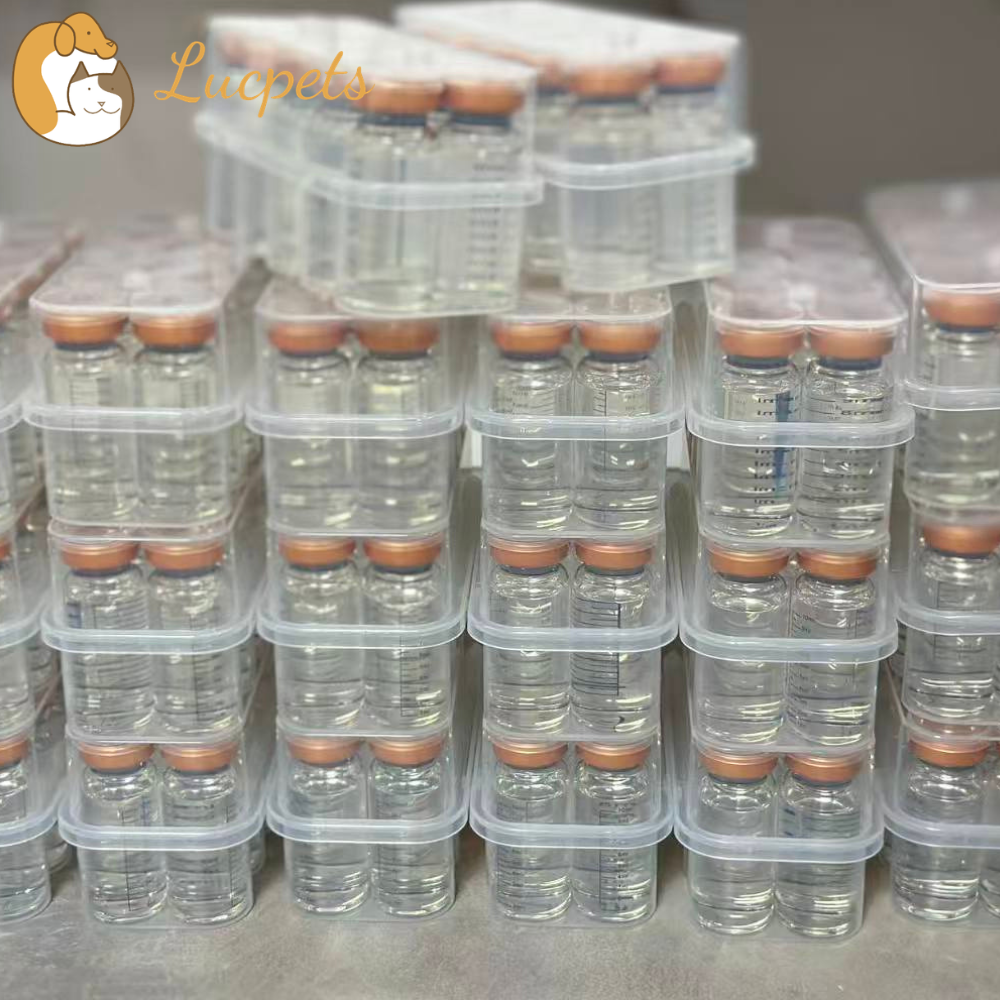
A supplier that actually owns a production line tends to answer technical questions without round-tripping through a third party. Ask how they would handle a specific material change or a tolerance issue on a repeated feature. A factory engineer or production manager can usually walk you through the tooling implications, cycle time impact, and scrap rate trade-offs on the spot. If the person you're talking to goes quiet, says they'll consult the workshop, or gives a vague reassurance that "everything is no problem," you're probably dealing with a middleman who forwards your RFQs to the same factories you could find yourself.
Paperwork helps, but it's not enough. Many resellers register a manufacturing address or borrow certificates from an affiliated factory. Insist on a live video call where someone walks the floor with a phone, showing not just a clean sample room but active production of your product category or something close to it. Listen for background noise, watch for raw material stock and work-in-progress racks. A real plant can't hide the mess of daily output; a trading office or showroom usually looks too polished and empty.
One reliable test is to ask a supplier to break down how a design change would affect unit cost and lead time. A genuine manufacturer can name specific process steps, subcomponent suppliers, and machine time allocations. They'll sometimes push back on unrealistic requests because they know what a line can and cannot do. Resellers, by contrast, rarely say no and often claim to make everything from silicone parts to electronics under one roof. If that roof doesn't match satellite imagery or their shipping records point to a different city, trust the mismatch before the sales pitch.
Lab Reports, Batch Numbers, and the Paper Trail That Matters
A batch number stamped on a lab report isn't just a reference code—it's the thread that ties a finished product back to the raw materials, the equipment, and the person who ran the test. When something drifts out of spec, that number is what lets you pull every related sample off the shelf before it becomes a recall. Without it, you're not investigating a problem; you're guessing at a ghost.
The paper trail matters because memories don't. Two months after a run, nobody remembers whether the pH meter was calibrated on a Tuesday or whether the oven temperature was nudged up halfway through. But a signed, dated report with batch numbers does. It turns "I think we followed the protocol" into "here's exactly what happened, and here's who signed off on it."
Auditors don't care about your lab's good intentions. They care about whether the numbers match, whether the signatures are real, and whether the trail survives contact with a subpoena. A messy but complete paper trail beats a clean spreadsheet every time, because one shows what you did, and the other only shows what you wanted to see.
Questions That Reveal a Supplier’s True Reliability Before You Pay
Paying a supplier before you've verified their reliability is a gamble most businesses can't afford. Instead of relying on polished websites or persuasive sales calls, ask pointed questions that force them to show how they handle pressure. For instance, request a breakdown of their production capacity during peak season, not just average lead times. Ask for contact details of two or three clients who placed similar-sized orders in the past six months—and then actually call those references. A supplier who hesitates to share real customer contacts or only offers glowing testimonials is often hiding delayed shipments or quality disputes.
Dig into their contingency plans as well. What happens if a key raw material is delayed by two weeks? How do they communicate sudden cost changes, and do they absorb any of that risk? Ask whether they've ever had a payment dispute and how it was resolved. Their answer to that last question matters more than their price list. You can also request a small trial order with a tight deadline to test their logistics and transparency under real conditions. If they push back on any of these, take it as a signal—not necessarily a dealbreaker, but a reason to slow down before wiring funds.
Why Some Cheap Vials End Up Costing Your Cat More Than Money
Cheap vials often cut corners on the seal. The plastic cap and rubber stopper don't truly lock out air and moisture, so the liquid medication inside slowly evaporates or oxidizes. Every time you open it, the active ingredient loses a bit more potency. You think your cat is getting a full dose, but it's only absorbing a fraction of what it needs. The condition doesn't improve, and a few weeks later you're back at the vet paying for extra exams and a new prescription.
Dosing accuracy is another hidden trap. The markings on a low-cost vial can be faint, uneven, or just plain wrong. Some have droppers that release inconsistent drop sizes no matter how careful you are. For a medication that must be measured down to the milligram, that kind of error means your cat gets too much or too little. Too much can trigger toxic side effects, too little lets the infection or inflammation keep spreading. The result is a longer treatment period and a much higher total bill.
Material safety rarely gets mentioned until something goes wrong. Low-grade plastic may leach softening agents or other chemicals into the liquid over time. Those compounds put extra strain on a cat's liver and kidneys, even if nothing looks wrong at first. By the time symptoms appear, you're dealing with not just the original illness but a secondary organ problem that costs far more to diagnose and manage than a quality vial ever would have.
Working With a Vet Who Understands FIP Instead of Around Them
A vet who truly gets FIP doesn’t just nod along when you mention GS-441524. They lean in, ask about your cat’s current weight and appetite, and talk through the latest treatment protocols without making you feel like you’re smuggling contraband. You stop rehearsing your arguments in the car. Instead of dodging judgment, you trade notes on injection-site reactions, blood-work trends, and how to keep a fractious cat calm at dose time. That shift changes everything: the conversation moves from convincing to collaborating.
When your vet understands FIP, they don’t treat your research as a threat. They treat it as a starting point. You can bring up a study you read at 2 a.m., and they’ll tell you which parts hold up in practice and which ones need context. They won’t waste your energy on outdated platitudes about “no cure” or make you feel foolish for hoping. Instead, they help you weigh risks, monitor progress, and adjust before small problems become big ones. That kind of partnership doesn’t just save time—it saves your cat’s life.
The difference shows up in the details. A vet who knows FIP will pre-fill syringes with you, not just hand you a script. They’ll remind you to rotate injection sites and ask how your cat’s behaving at home, not just what the labs say. They get that treatment is messy, expensive, and emotionally draining, and they don’t pretend otherwise. Working with them feels less like fighting a system and more like having someone in your corner who’s already mapped the minefield.
FAQ
Focus on third-party testing results, batch consistency, and transparency about the production process. Reliable manufacturers share certificates of analysis and are willing to answer detailed questions about purity and formulation.
Ask for recent lab reports from an independent facility. The concentration should be clearly listed, usually between 15 and 20 mg/mL for injectable forms, and you can cross-check the lot number with the testing lab if needed.
Yes. Watch for unusually low prices, vague answers about sourcing, missing batch numbers, pressure to buy in bulk quickly, and no verifiable customer support. A reliable source won't hide details.
Injectable GS-441524 often provides more predictable absorption and is widely used in clinical protocols. Some cats also tolerate injections better when oral medication causes stomach upset.
Create a short checklist: independent purity testing, clear concentration per vial, storage requirements, shipping conditions, and documented success from other cat owners. Prioritize these over marketing claims.
Many manufacturers sell directly to cat owners, but working with a veterinarian is strongly recommended. A vet can help confirm the diagnosis, calculate the correct dosage, and monitor your cat during treatment.
Look for instructions on refrigeration, protection from light, and shelf life after opening. If the manufacturer doesn't state how to store the vials or what temperature range is safe, that's a concern.
Ask for references or look for communities where owners share treatment logs. A manufacturer with genuine experience will often have detailed case discussions and long-term users who can vouch for their product.
Conclusion
Injectable GS-441524 still stands as the frontline treatment for feline infectious peritonitis, but the real challenge isn't deciding to treat—it's determining who actually manufactured the vial in your hand. A genuine manufacturer will hand over more than a certificate; they'll share batch numbers, third-party lab reports from an independent facility, and a paper trail showing every step from raw material synthesis to final sterile fill. If a supplier dodges questions about the origin of their active pharmaceutical ingredient or produces a "lab report" without a verifiable batch number, you're likely dealing with a reseller in disguise rather than the source itself. Ask directly where the product is compounded, who performs sterility and endotoxin testing, and whether that testing was done on the exact batch being shipped.
The price tag on a vial tells you almost nothing about its contents. Cheap vials often cut corners on concentration accuracy, pH stability, or sterility, which can lead to underdosing, injection-site abscesses, or a relapse that forces a longer and costlier course of treatment. Before you pay, request documentation that ties the batch number on the label to a laboratory report generated by an independent facility. A supplier who pushes back on these questions is not protecting proprietary information; they're hiding something. Equally important is working with a veterinarian who understands current FIP protocols instead of tiptoeing around one who dismisses GS-441524 outright. A knowledgeable vet can help you verify paperwork, interpret lab results, and adjust dosing based on your cat's weight and clinical response. In the end, the most reliable source is one that treats transparency as a standard practice, not a favor—and that transparency is what protects both your cat and your money.
Contact Us
Contact Person: Aaron
Email: [email protected]
Tel/WhatsApp: +86 18177165140
Website: https://www.lucpetsglobal.com