

Fuel Dispenser Pump Factory Guide to Quality Manufacturing
2026-10-28
Behind every reliable fuel dispenser pump lies a manufacturing process where precision meets durability. As the industry evolves, knowing what distinguishes a top-tier factory from the rest is no longer optional—it’s essential. Whether you're sourcing for a small station or a large network, the difference often comes down to quality control, material choices, and engineering expertise. That’s where BEILIN steps in, setting benchmarks that others strive to match. In this guide, we pull back the curtain on what truly matters in quality manufacturing—and why your next fuel dispenser pump should demand nothing less.
From Raw Metal to Precision Flow: Inside Our Machining Tolerances
When a bar of 316 stainless or a billet of 6061 aluminum first lands on the receiving dock, it doesn't look like much. But before any tool touches it, the stock gets mapped for minor variations in hardness, grain direction, and even residual stress. This early read isn't about rejecting material—it's about knowing exactly how it will move once the cutting starts. The tolerances we hold later are only as honest as this first conversation with the metal.
Inside the machining cell, the real work of holding a tolerance happens in decisions most people never see. A forty-thousandths adjustment to a boring bar after the third part, not the tenth. A deliberate pause in the cycle so spindle growth from heat settles before the finishing pass. Coolant temperature held within two degrees because a thermal shift of even a few microns shows up in a bore. These aren't written into the print; they're learned habits that separate a part that measures good from one that stays good.
That's where the flow side comes in. A valve body or manifold is not just a collection of dimensions—it's a path for fluid to travel predictably. Sharp edges, tool chatter, or a bore that drifts half a thousandth can turn smooth flow into turbulence or leak paths. After final machining, every critical passage gets checked with air gaging or a CMM, not to catch scrap, but to prove that the metal now behaves like a precision instrument. The tolerance isn't a number on a report. It's the quiet reason the fluid goes exactly where it should.
Where Leak-Proof Begins: Sealing and Assembly Benchmarks
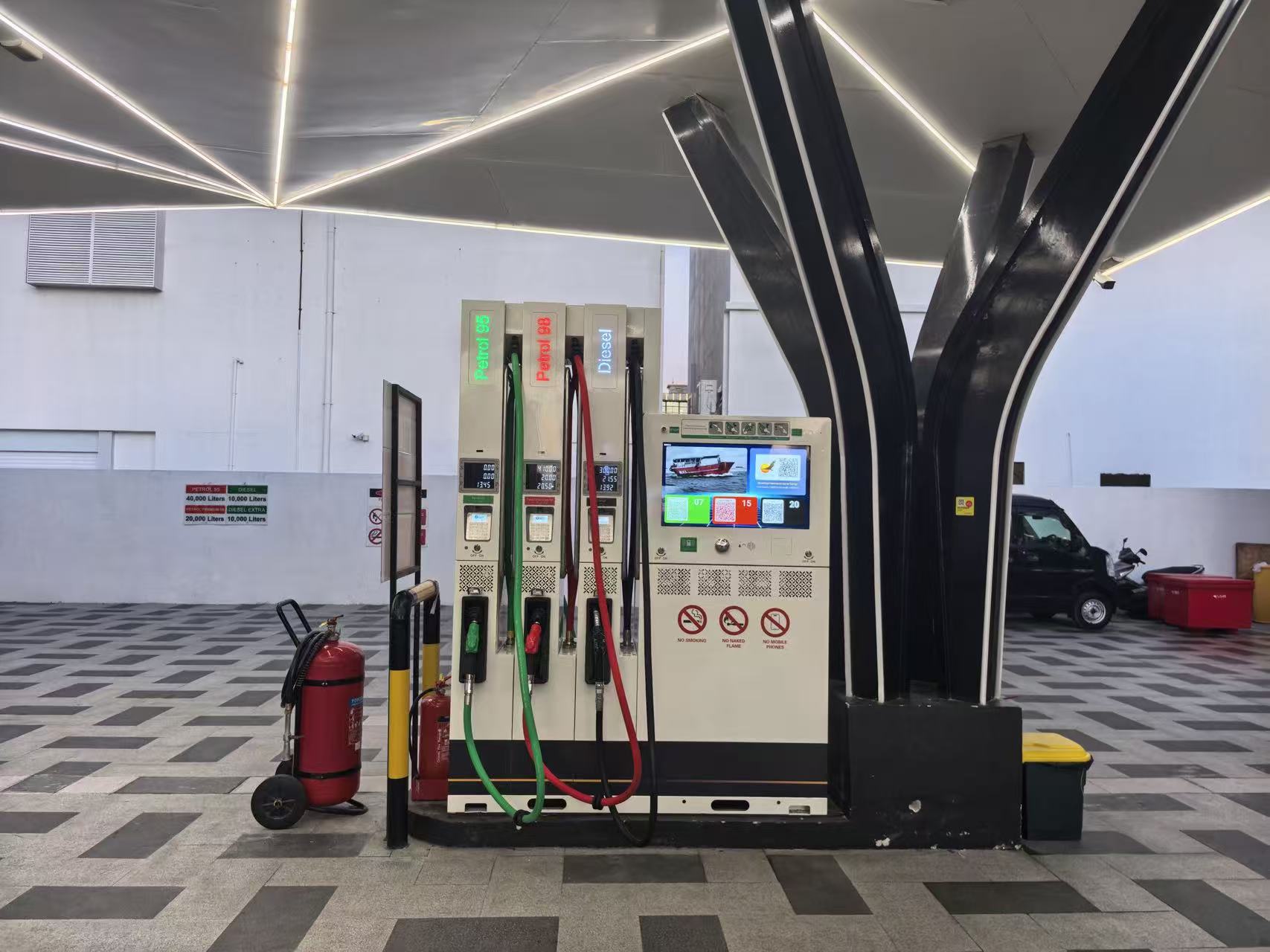
The real test of a sealing system isn't on a spec sheet—it's when a joint holds under thermal cycling, pressure spikes, or vibration. Benchmarks for sealing and assembly have shifted from simple leak-rate numbers to full-profile performance: gasket compression set, flange alignment tolerance, bolt preload scatter, and surface finish interaction. A well-run benchmark captures not just whether a seal passes a one-time test, but how it degrades over thousands of cycles.
One common oversight is treating assembly torque as a fixed value. In practice, friction variations in threads and washers can cause actual clamp load to vary by ±25%, even with calibrated tools. That's why leading benchmarks now include direct tension indication or ultrasonic bolt measurement, mapping the relationship between tightening sequence and the final gasket stress distribution. Another rising metric is the recovery rate of a seal after unloading—elastic recovery below 70% often flags a joint that will leak after the first thermal swing.
The most useful benchmarks tie these data back to real assembly conditions, not laboratory ideals. For example, a diesel engine manufacturer might test cylinder head gasket sealing with a fixture that simulates the exact bore distortion pattern seen after machining and assembly. That kind of field-correlated benchmark separates designs that survive on the test bench from those that stay dry in service.
The Calibration Room: How Every Meter Gets Its Accuracy Stamp
Walk into the calibration room and the first thing you notice is how still the air feels. Temperature and humidity are locked to narrow bands because even a few degrees can nudge a meter's internals. Banks of precision sources line the benches, each one traceable to a national standard, and every cable is labeled, shielded, and routed away from interference.
A meter brought here is never tested cold. It sits for hours until its components settle, then technicians compare its readings against known references across the full measurement range. Adjustments are made in tiny increments, often through software trim or physical potentiometers, until the deviation falls inside the manufacturer's published tolerance. The raw numbers are logged, not just the pass or fail, so any drift pattern becomes visible over time.
Only after that documented comparison does the accuracy stamp go on. It is not a decoration; it carries a date, a technician ID, and a traceability code that links the meter to the specific reference instruments used. If a question ever arises about a reading in the field, that stamp is the starting point for an audit trail that leads straight back to this room.
Stress-Testing Every Pump Before It Leaves the Floor
Before any pump earns its place on a pallet, it gets pushed through a gauntlet that most equipment never sees. We don't rely on spot checks or batch sampling here. Every single unit is hooked up, primed, and run under conditions that mimic the worst days on a job site—pressure spikes, dry-run scares, and sustained loads that would make a lesser machine cough. Only after it holds steady through the full cycle does it get tagged for shipping.
The test bench isn't a gentle simulator; it's a proving ground. We cycle inlet restrictions, slam valves shut mid-flow, and run the pump at both ends of its rated curve. If a seal weeps, a bearing whines, or a housing flexes beyond tolerance, that pump gets pulled and torn down on the spot. The ones that pass aren't just functional—they're already broken in, with every tolerance verified against the drawing, not the spec sheet.
This isn't about catching the occasional lemon. It's about making sure the pump you bolt in on Monday morning behaves exactly like the one we tested on Friday afternoon. No surprises, no 'should be fine' assumptions. Just a floor full of machines that have already proven themselves before the first pallet wrap goes on.
Material Choices That Outlast Corrosive Fuels
Picking the right material for fuel-handling systems means looking past initial cost and focusing on long-term resistance to acids, alcohols, and oxidative byproducts. Stainless steel grades with higher molybdenum content, such as 316L or duplex alloys, hold up far better than standard carbon steel when exposed to ethanol blends or biodiesel. Even then, crevice corrosion can sneak in around welds and fittings, so specifying proper passivation and avoiding rough surface finishes becomes part of the material choice itself.
For non-metallic options, fluoropolymers like PTFE and PFA offer near-universal chemical inertness, but they come with trade-offs in mechanical strength and thermal expansion. Some engineers turn to cross-linked polyethylene or specially formulated nylons for fuel lines, relying on additives that slow down hydrolysis and oxidative embrittlement. The trick is matching the material’s permeability and swelling behavior to the exact fuel blend—something that often gets overlooked until a line starts weeping or a seal loses its grip.
A more practical approach is to look at real-world failure patterns rather than manufacturer datasheets alone. Components that survive years in marine or agricultural equipment, where fuel sits stagnant for long periods, tend to reveal which alloys and polymers actually resist pitting and stress cracking. Rubber compounds with high acrylonitrile content, for instance, handle aromatic fuels better than generic nitrile, but they still degrade faster when water separates out of the fuel phase. So the choice often comes down to resisting not just the fuel itself, but the water, microbes, and heat cycles that come with it.
A Traceability Trail from Batch Number to Final Audit
A batch number rarely gets the attention it deserves until something goes wrong. Yet that short alphanumeric code is the anchor for an entire chain of evidence. From the moment raw materials are weighed and mixed, the batch number appears on scales, work orders, and lab samples. It follows the product through blending, filling, and packaging, each step leaving a timestamped entry in a manufacturing log. By the time a finished lot reaches the warehouse, the batch number has already accumulated a quiet history of operator initials, machine settings, and in-process checks.
When an auditor arrives, that history becomes the backbone of the review. Rather than chasing scattered paper records, quality teams can pull a single file and trace every movement of the lot. The batch number links the final product back to supplier certificates, calibration records for weighing equipment, and the specific shift that handled each stage. Discrepancies stand out quickly: a missing signature, a temperature log that jumps, a packaging line change that was never approved. Without that trail, an audit can devolve into guesswork; with it, the final audit becomes a verification of a story already told by the data.
What makes the trail credible is not just its existence but its resistance to tampering. Batch numbers are assigned sequentially, recorded in bound or access-controlled logs, and cross-referenced with inventory movements. Even small deviations—a manual adjustment during mixing, a retest after a failed check—are captured under the same number. During a final audit, the ability to follow that number from the first raw material lot through every intermediate step to the sealed shipping carton gives both the auditor and the company a clear answer: this batch was made as intended, and every claim about it can be proven.
FAQ
Start by auditing the current assembly line for bottlenecks and inconsistent steps. Look at where rework happens most often, then compare those areas against the original design tolerances. Often small misalignments in the meter or valve seating get overlooked until they cause field failures.
Everything from the housing alloy to seal compounds matters. Aluminum bodies might save weight but corrode faster in coastal or high-humidity areas if not treated properly. Stainless steel internals, especially for the meter and gears, resist wear far better. Cheap rubber seals break down quickly with ethanol-blended fuels, so fluoroelastomer or equivalent grades are worth the extra cost.
At minimum you need a wet test with actual fuel or a calibrated substitute, checking flow rate at multiple pressures, leak-down on all seals, and meter accuracy against a master meter. Vibration testing on the assembled unit catches loose fittings that pass visual inspection. Don't skip a full cycle test on the nozzle and valve assembly either, that's where intermittent faults hide.
Use poka-yoke fixtures that physically prevent wrong orientation of parts. Torque-controlled tools with data logging stop over-tightening and under-tightening. Build sub-assemblies offline when possible, so a faulty meter or valve is caught before it reaches the final line. And keep the workstations clean, contamination from metal shavings or dust causes more returns than people realize.
Legal metrology requires accuracy, but beyond that, a pump that over-delivers eats into station profit and one that under-delivers gets regulatory fines. Calibration isn't a one-time thing either, temperature changes and mechanical wear shift the meter drift. A good factory calibrates each unit at multiple flow rates and includes a lockout seal so field tampering doesn't undo the work.
You can't sustain quality with written procedures alone. Experienced assemblers spot nuanced issues like a slightly stiff bearing or an odd sound during rotation that no checklist catches. Cross-train people across stations so they understand how their step affects the next one. Regular short refreshers on failure examples from warranty claims keep quality fresh in their minds better than annual training sessions.
Don't rely on incoming inspection to catch everything, that's too late and expensive. Work with suppliers early on critical dimensions and material specs, share your failure data. Do periodic process audits at their site, not just paper audits. For high-risk parts like meters, sensors, and seals, require capability studies and keep a small batch of golden samples for reference at receiving.
Tell them to check filter elements every 30 days and replace based on pressure drop, not just hours. Inspect hose and nozzle for cracks or wear, especially around swivel joints. Keep the pump housing clean and free of debris that can block ventilation. Schedule a professional calibration check every six months or after any major temperature shift, and never let untrained staff open the sealed meter chamber.
Conclusion
Quality starts long before a pump is bolted together. Raw steel and aluminum enter our machining cells where lathes and mills hold tolerances tight enough to make a fuel meter piston glide without a hint of drag. Every mating surface gets checked with air gauges, not just calipers, because a five-micron drift can mean the difference between smooth flow and premature wear. Sealing isn't an afterthought either. O-rings, gaskets, and face seals are assembled under controlled torque, and each joint is pressurized with nitrogen to catch even the smallest weep before it ever sees gasoline or diesel. This is where leak-proof becomes a measurable benchmark rather than a promise.
Once assembled, each meter enters the calibration room where it is tested against a master flow standard. The digital readout must match within a fraction of a percent across low, mid, and high flow rates, and only then does it receive its accuracy stamp. But that stamp isn't the finish line. Pumps are mounted on a test stand and run through full duty cycles—repeated starts, stops, pressure spikes, and voltage fluctuations—to expose any weak link. Materials are chosen from the start to shrug off corrosive fuels, from stainless steel internals to fluorocarbon seals that won't swell or crack. Every batch number ties back to raw material certificates, torque records, calibration data, and the final audit, so if a pump ever does misbehave in the field, we can trace the exact moment and condition it left the floor.
Contact Us
Contact Person: Jason
Email: [email protected]
Tel/WhatsApp: 8615876017548
Website: https://www.bei-lin.com/