

How Sand and Gravel Washer Services Improve Aggregate Quality and Operational Efficiency
2026-07-27
Aggregate quality directly impacts the strength and durability of every concrete mix, yet raw sand and gravel often arrive on-site contaminated with clay, silt, or organic matter. This is where advanced washing services step in to elevate material standards and streamline operations. At the core of this transformation is Sinou, a trusted name delivering tailored solutions that not only refine particle cleanliness but also slash waste and downtime. Curious about how a single process can reshape your entire production efficiency? Read on to discover the mechanics behind cleaner aggregates and leaner workflows.
Stripping silt and clay for purer end products
Raw materials freshly extracted from quarries or riverbeds rarely arrive in a ready-to-use state. Mixed in with the valuable sand, gravel, or mineral ores are large amounts of silt and clay—fine particles that can seriously degrade the quality of concrete, asphalt, or industrial fillers. Left unchecked, these coatings prevent proper bonding in cement mixtures, reduce drainage in landscaping aggregates, and create dust issues during handling. The removal process isn’t just about rinsing; it often involves a combination of scrubbing, attrition, and classification to dislodge and separate the sticky fines. High-pressure washing systems or log washers are frequently employed to break down clay lumps, while hydrocyclones or spiral classifiers then flush out the liberated silt, leaving behind a noticeably cleaner grain surface.
When operators invest in thorough silt and clay removal, the payoff goes well beyond meeting basic specifications. Concrete producers see consistent slump and compressive strength because the aggregates no longer demand extra water or cement to compensate for dirty particles. In the asphalt industry, stripped aggregates allow bitumen to adhere properly, drastically reducing the risk of stripping and potholes. Even for decorative stone or filtration media, the absence of fine impurities means brighter color, better permeability, and fewer customer complaints. On the processing side, downstream equipment like crushers and screens also benefits, as abrasive clay buildup is minimized, cutting maintenance downtime. Ultimately, stripping away these unwanted fines transforms a marginal material into a premium product that commands higher prices and opens doors to more demanding applications.
Sharpening gradation control with every wash cycle
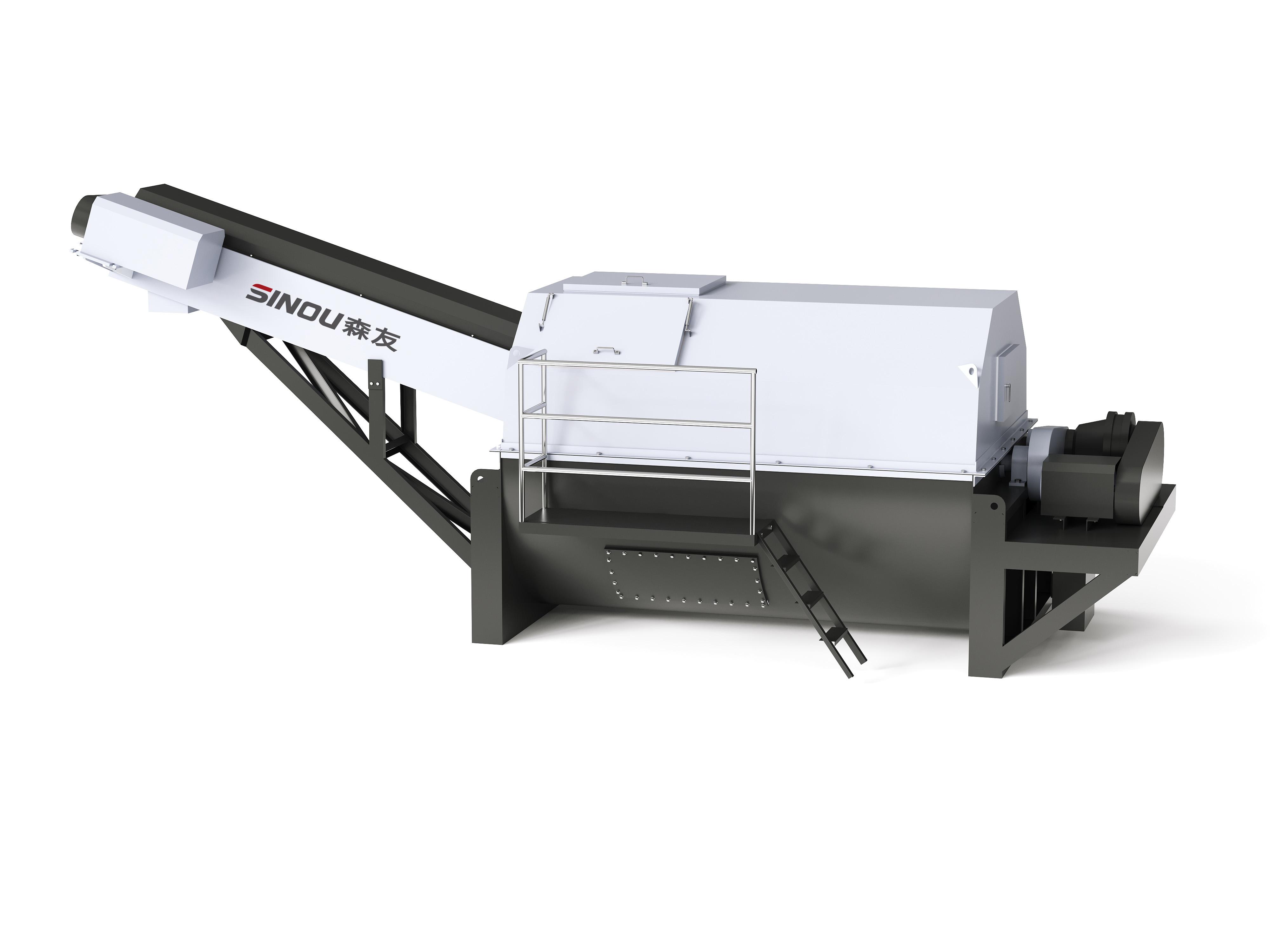
You know that dull knife sitting in your drawer that you keep meaning to sharpen? What if your dishwasher could handle it for you, casually turning every rinse into a subtle honing session. It's not magic—just a built-in system that fine-tunes edge geometry while your plates get cleaned, so your blades come out gliding through tomatoes without you ever picking up a steel.
The trick lies in a sequence of micro-abrasive contacts timed perfectly with the water jets. Instead of grinding metal away, the mechanism applies fraction-of-a-millimeter corrections using ceramic guides shaped like tiny whetstones. They engage only at the right pressure angles, basically mimicking how a seasoned chef edges a knife by hand—but repeated across every cycle, never letting the blade drift too far from sharp.
After a few weeks, you'll notice something: your knives feel exactly the same as they did out of the box, without any catch or drag on delicate skins. No guesswork, no drawer dust, just consistent cutting performance that rides quietly on top of your daily wash routine. It's the kind of background efficiency that makes you wonder why every kitchen isn't designed this way.
Keeping crushers and screens free of abrasive buildup
Abrasive material buildup on crushers and screens isn't just a nuisance—it directly undercuts efficiency and accelerates wear. When fines pack into corners or coat moving parts, the equipment has to work harder, drawing more power and delivering less throughput. Over time, that hardened layer acts like sandpaper, eroding liners, screens, and conveyor belts even during normal operation. The real challenge is that buildup often goes unnoticed until performance drops or a component fails, making proactive measures far more valuable than reactive cleanups.
Prevention starts with understanding your material flow. Adjusting feed rates and moisture levels can reduce the stickiness that causes material to cling. In many plants, a simple switch in screen media—like opting for self-cleaning panels or adding ball decks—shakes loose fines before they compact. Water spray systems, when appropriate, help wash away dust and slurry, but they must be carefully managed to avoid creating new blockages or corrosion issues. For dry applications, air cannons or vibrators strategically placed can dislodge buildup without manual intervention, keeping production steady.
Regular inspection routines shouldn't just look for obvious damage; they should target hidden accumulation points. A daily walk-around with a good flashlight reveals early signs of material packing, especially in transfer chutes, under hoppers, and around crusher chambers. When cleaning is necessary, avoid the temptation to hammer off hardened deposits—that often damages the machine. Use low-profile scrapers, high-pressure water, or even dry ice blasting to remove buildup without stressing the structure. The goal is to keep the system so clean that abrasive wear becomes an afterthought, not an emergency.
Turning wastewater into a reusable resource
For decades, wastewater was seen as a problem to dispose of, a smelly reminder of our consumption. But beneath the surface, it holds untapped potential. Advanced treatment systems now strip away contaminants, leaving behind water that can be cleaner than what flows from many taps. More than that, the process captures nutrients like phosphorus and nitrogen—vital for agriculture—and can even generate energy from the organic matter we once flushed away.
Factories and farms are already closing the loop. A brewery might treat its own wastewater on-site and use it for cooling or cleaning, cutting freshwater intake by half. In arid regions, municipal plants pipe treated water to parks and golf courses, keeping them green without tapping into shrinking reservoirs. It’s a quiet revolution, turning a costly liability into a steady stream of resources, one that reshapes our relationship with water itself.
Delivering spec-ready material that demands less rework
Every batch of material arrives pre-checked against the latest project specs, so your team can move straight to fabrication. By front-loading quality control and eliminating guesswork, we cut out the tedious back-and-forth that eats into deadlines. You get material that fits the plan—no surprises, no last-minute fixes.
Think of it as material that’s already done the homework. Our process catches inconsistencies before they leave the yard, verifying dimensions, finish, and compliance down to the small print. That means fewer callbacks, less shop-floor frustration, and a smoother handoff between procurement and production.
The result isn’t just material that meets standards—it’s material that respects your schedule. By delivering components that require almost no rework, we help you protect your margins and keep the crew focused on building, not fixing. Less rework isn’t a buzzword here; it’s the quiet hum of a project that stays on track.
Boosting throughput without adding extra machines
Sometimes the easiest way to get more out of your existing setup is to tighten up the code itself. Look for slow database queries, unnecessary loops, or blocking I/O calls that could be turned into non-blocking operations. Even small inefficiencies multiply under load—fixing a handful of hotspots can boost throughput significantly without any hardware changes.
Another approach is to rethink how work is distributed internally. Instead of letting a single process hog resources, break tasks into smaller pieces and process them concurrently using lightweight threads or async workers. Smart queuing and backpressure handling can keep the system running smoothly even when demand spikes, effectively squeezing more performance out of the same machines.
FAQ
They remove clay, silt, organic matter, and other contaminants that coat the aggregate particles, resulting in a cleaner, more consistent product that meets strict specifications for construction use.
By eliminating clogging materials upfront, it reduces wear on downstream crushers and screens, lowers maintenance downtime, and allows the plant to run at higher throughput without frequent stoppages.
Absolutely. Clean aggregates command higher market prices because they perform better in concrete and asphalt mixes, offer stronger bonding, and meet tighter industry standards.
They often lead to mix design adjustments requiring more cement or asphalt binder, higher water demand, increased equipment wear, and potential project delays due to material rejection.
Yes, most advanced systems incorporate closed-loop water treatment that recycles up to 90% of the process water, drastically cutting consumption and simplifying environmental compliance.
They minimize dust and silt run-off issues by containing fines in a manageable filter cake, which can often be repurposed or safely disposed of, keeping operations in line with local permits.
Cleaner feed material reduces abrasive wear on crusher liners, conveyor belts, and chutes, which translates directly into longer component life and fewer unexpected breakdowns.
Modern mobile units are highly efficient and flexible, allowing on-site processing that cuts transportation costs and gives smaller operations access to the same quality improvements as large stationary plants.
Conclusion
Achieving high-quality aggregates isn’t just about crushing rock to size—it’s about relentless cleanliness and precision, which is exactly what modern sand and gravel washer services deliver. By stripping out silt, clay, and lightweight contaminants, these systems transform raw, dirty feed into pure end products that meet stringent specifications without fail. The wash process sharpens gradation control with every cycle, ensuring particle distribution stays tight and predictable. This consistency directly reduces rework on-site, as spec-ready material leaves the wash plant requiring little to no adjustment before use in concrete, asphalt, or drainage applications. Moreover, keeping crushers and screens free of abrasive buildup through regular washing cycles sharply cuts maintenance downtime and wear-part consumption, extending equipment life while boosting overall plant reliability.
Beyond product quality, sand and gravel washers unlock operational efficiency that reshapes the cost curve for producers. Rather than adding extra crushers or screens to chase higher output, a well-integrated washing circuit boosts throughput by processing more material in each pass, effectively debottlenecking the entire operation. This smarter use of existing assets reduces capital expenditure and energy consumption. Equally transformative is the ability to turn wastewater into a reusable resource: closed-loop water recycling systems slash freshwater intake and lower disposal costs, aligning production with tightening environmental regulations. The combined effect is a leaner, more sustainable operation where every ton of washed aggregate leaves the site cleaner, more valuable, and produced with less waste—proof that investing in washing is an investment in both product integrity and long-term profitability.
Contact Us
Contact Person: HaiYan
Email: [email protected]
Tel/WhatsApp: +86 18957325588
Website: https://www.senyoubeton.com/