

Laminated Tube Supplier Insights: Elevate Your Brand with Premium Packaging
2026-08-08
In a crowded marketplace, your product’s first impression often comes down to the packaging. Laminated tubes are emerging as a game-changer for brands seeking durability, premium aesthetics, and functional design. But with so many suppliers claiming excellence, how do you find a partner who truly elevates your vision? That’s where expert insight comes in. At the forefront of this innovation is Sanrong Packaging, a manufacturer redefining what laminated tubes can achieve. In this post, we’ll peek behind the scenes of tube manufacturing, explore industry trends, and uncover the secrets to sourcing packaging that doesn’t just contain your product—but tells your brand’s story.
Redefining Brand Perception Through Tube Design
Packaging whispers a brand’s identity before a single word is read—and tube design is no exception. By shifting away from standard cylindrical shapes into soft-edged ovals, faceted contours, or even asymmetrical profiles, brands can instantly signal innovation and thoughtfulness. The tactile moment of picking up a tube, feeling its unexpected geometry, creates a subtle but powerful anchor in memory. This isn’t about chasing novelty; it’s about letting the container become an extension of the story, making everyday rituals feel discreetly elevated.
Material decisions further this redefinition. A shift to matte, biodegradable substrates, post-consumer recycled layers, or even refillable aluminum cores can transform a disposable relic into a statement of values. When the surface is treated with soft-touch coatings or debossed patterns that engage the fingertips, the user’s perception shifts from “product” to “experience.” Small details, like a magnetic closure instead of a snap cap or a peel-off label that reveals a hidden message underneath, add layers of discovery that make the brand feel human, playful, and deeply intentional.
Color and finish bring the final dimension. Replacing glossy, shouty hues with muted earth tones, translucent gradients, or hand-painted watercolor effects can pivot a brand’s vibe from commercial to curator-like. Allowing the tube to visually change with use—imagine a surface that wears subtly to expose a secondary color beneath—creates a living design that evolves alongside its owner. These quiet transformations build an emotional rapport that no tagline can match. Ultimately, redefining brand perception through tube design is an exercise in restraint and meaning, proving that the things we touch, every morning and night, can become small anchors of identity rather than anonymous clutter.
Beyond the Squeeze: Functional Innovations in Laminate Tubes
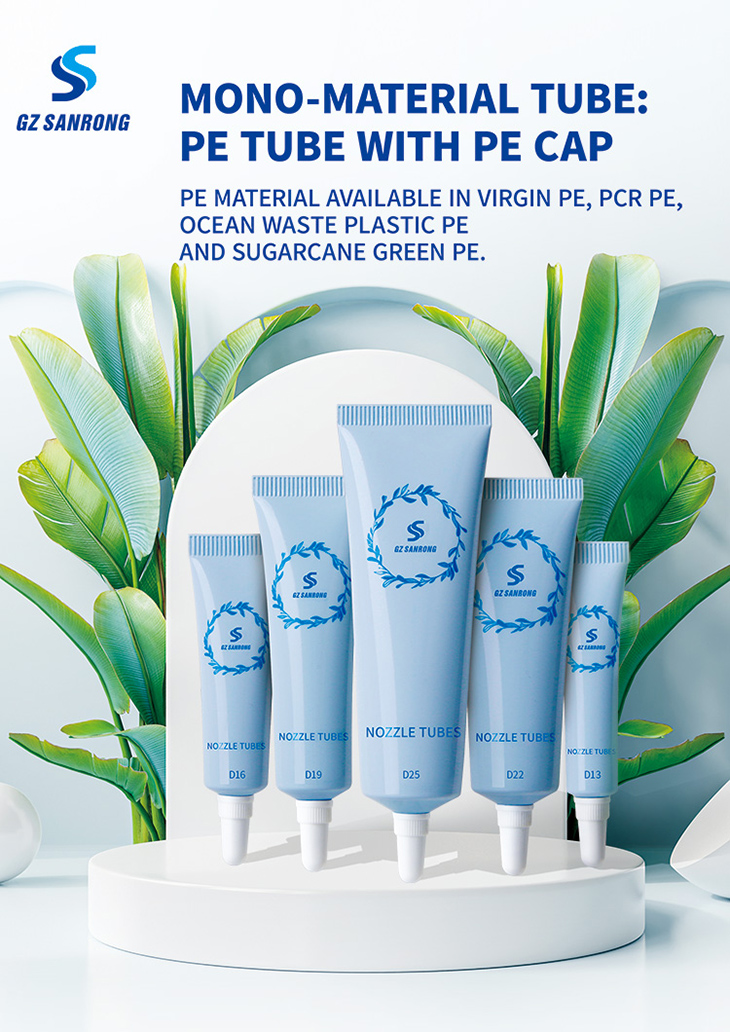
The days when a tube simply held product and looked decent on a shelf are long gone. Modern laminate tubes are now designed with embedded features that actively preserve what’s inside—think light-blocking layers, oxygen barriers, and special sealants that keep formulas stable without the need for bulky secondary packaging. It’s a shift from passive containment to intelligent protection, and the best part is that these safeguards are often invisible, letting the design and usability take center stage.
Beyond preservation, the real magic lies in applicator integration. Where once a basic screw cap sufficed, we now see precision tips, rollerballs, silicone brushes, and multi-orifice closures that deliver everything from serums to scrubs with controlled, mess-free dosing. These aren’t afterthoughts; the tube and applicator are engineered as a single system, reducing material waste and giving brands a chance to offer a complete, ready-to-use experience right from the package.
Another quiet revolution is happening inside the laminate structure itself. By mixing materials like EVOH with post-consumer resins and even paper-based components, manufacturers are crafting tubes that can withstand aggressive formulas while cutting down on virgin plastic. Some designs now incorporate easy-to-separate layers or mono-material constructions that simplify recycling—functional choices that don’t compromise on barrier performance or print quality. It’s innovation that works across the board, benefiting the product, the user, and the environment all at once.
The Green Shift: Eco-Conscious Materials for Premium Tubes
The packaging industry is undergoing a quiet revolution, driven by a growing awareness that luxury need not come at the planet’s expense. Premium tubes, once synonymous with excess and mixed materials, are now being reimagined through a lens of eco-conscious innovation. Brands are embracing materials like post-consumer recycled paper, biodegradable laminates, and plant-based inks, proving that sustainability can elevate aesthetics rather than compromise them. This shift isn’t just about swapping components; it’s about rethinking the entire lifecycle, from sourcing to disposal, without losing the tactile delight that defines high-end packaging.
What makes these materials truly remarkable is how they challenge old assumptions about performance. Take, for example, bio-based barriers that replace traditional plastic layers—they offer the same moisture and oxygen protection while decomposing naturally. Similarly, textured stocks derived from agricultural waste lend a unique, organic feel that synthetic coatings can’t replicate. These innovations don’t just meet environmental targets; they create a narrative of mindful luxury that resonates with discerning consumers who demand both elegance and ethics.
Perhaps the most exciting aspect of this green transition is the creative freedom it unlocks. Freed from conventional constraints, designers are exploring translucent papers, embedded seeds that grow when planted, and water-based adhesives that enable clean recycling. The result is packaging that tells a story long after the product is gone—a quiet testament to the idea that beauty and responsibility are not opposites but allies. In a market saturated with noise, these eco-conscious tubes offer brands a chance to whisper something truly memorable.
Crafting a Tactile Experience: Texture and Finish Strategies
Our sense of touch deeply influences how we perceive quality and value. By deliberately manipulating surface textures—from smooth, cool metallics to warm, softly grained woods—designers can evoke specific emotions and guide user interaction. A brushed aluminum finish might suggest precision and modernity, while a pebbled leather texture invites touch, conveying luxury and comfort. These choices aren't merely decorative; they shape the very narrative of a product, making it feel approachable, robust, or refined before the user even consciously registers the details.
The interplay between tactile and visual properties creates unexpected depth. A matte surface can absorb light and feel velvety under the fingertips, yet a subtle glossy accent on the same panel draws the eye and adds a surprising smooth contrast. Combining contrasting finishes—such as pairing a rough, honed stone with a silky fabric inlay—engages multiple senses and enriches the overall experience. Such contrasts not only differentiate a design but also anchor it in memory, as the hand lingers to explore the boundary where two textures meet.
Beyond pure aesthetics, texture strategies must consider durability and context. A high-traffic handheld device demands a finish that resists fingerprints and scratches without sacrificing grip, while a stationary luxury item can embrace delicate, patina-forming materials. Innovations like soft-touch coatings that mimic human skin or micro-textured surfaces that repel water blur the line between function and sensation. The goal is to create a tactile language that feels intuitive—where the texture of a button implies its use, and the material of a handle communicates its strength—seamlessly extending the brand’s identity into the realm of touch.
How Limited Editions Drive Urgency and Brand Loyalty
There’s a quiet thrill in knowing something you own won’t be around forever. Limited editions tap into that feeling—not through loud countdowns or flashing banners, but by simply being scarce. When a brand releases only a handful of an item, it transforms an ordinary purchase into a small personal victory. You’re no longer just buying a product; you’re securing a moment before it slips away. This subtle pressure sidesteps pushy sales tactics and instead makes the buyer feel like an insider who caught a wave others might miss.
Beyond the initial rush, these exclusive drops weave a deeper connection between people and the brands they choose. Every time someone uses that special edition sneaker or sips from a collector’s mug, they’re reminded of the split-second decision that made it theirs. It becomes a quiet badge of affiliation—not advertised, but understood. Friends notice and ask where it came from, and suddenly the owner is telling the brand’s story for them. That kind of organic, word-of-mouth loyalty is hard to manufacture any other way, and it turns customers into lifelong advocates without a single loyalty card being stamped.
What’s interesting is how this strategy reshapes the waiting game. Instead of dreading a product’s arrival, fans lean into the anticipation. Limited runs turn launch days into small cultural events, where people share rumors, set alarms, and swap tips in online communities. Brands don’t have to beg for attention—the scarcity itself pulls people in, creating a self-sustaining loop of excitement and belonging. Done right, it’s not about manipulating buyers; it’s about giving them a story they actually want to retell.
From Lab to Shelf: Ensuring Tube Integrity and Product Safety
Transitioning a product from the lab bench to a retail shelf demands more than just a great formula—it requires relentless attention to packaging integrity. Tubes, whether holding creams, gels, or serums, must withstand the rigors of manufacturing, transportation, and daily consumer use without compromising the product inside. Even microscopic breaches can lead to contamination, oxidation, or spoilage, turning a once-promising innovation into a brand liability.
We approach tube integrity testing as a mimicry of real-world stress. Our labs subject every design to cyclic temperature changes, pressure differentials, and drop simulations that mirror actual distribution channels. Beyond basic leak checks, we analyze material fatigue over time—how does the tube’s seal hold up after hundreds of squeezes? Does the laminate delaminate when exposed to certain product chemistries? By answering these questions before launch, we prevent failures that would only surface months later on a consumer’s bathroom counter.
Product safety doesn’t end with the tube’s physical structure. Compatibility between the packaging material and the formulation is non-negotiable. We screen for potential extractables and leachables, ensuring no unwanted substances migrate into the product. Every batch of tubes also undergoes microbiological challenge tests to confirm that closures remain impervious to external bacteria. For products with active ingredients or sensitive preservative systems, this careful vetting means the difference between sustained efficacy and premature degradation. When the final product reaches the shelf, it carries not just a brand’s promise, but the confidence that every layer of protection has been thoroughly proven.
FAQ
They merge robust plastic durability with aluminum's protective barrier, creating a sleek, high-end container that safeguards products from contamination and prolongs freshness. The ability to wrap the entire surface in vivid, uninterrupted artwork instantly elevates a brand's visual impact.
It becomes a canvas for storytelling through 360-degree custom prints and tactile finishes like matte varnishes or raised textures. This sensory engagement turns a functional item into a memorable brand touchpoint, reinforcing a perception of exclusivity and care.
Prioritize a partner with true material expertise, not just order fulfillment. They should offer design innovation, consistent barrier testing, and flexible production for both standard and eco-conscious materials. A supplier that guides decoration personalization—from metallic accents to soft-touch coatings—adds real strategic value.
They outperform jars and bottles in product evacuation, letting consumers use nearly every last bit, which reduces waste and boosts perceived value. The collapsible design, combined with precise applicators, offers mess-free control perfect for creams and gels, while tamper-evidence adds user safety.
Decoration is the point of connection. Specialty techniques like foil stamping or gradient printing create light-play that catches the eye and invites touch. It signals luxury, turning the tube into a shelf standout that commands attention and justifies a premium pricing strategy.
Modern eco-tubes use recycled content or thinner layers while retaining strong barrier performance and print vibrancy. Suppliers blending bio-based polymers or mono-material structures ensure you don't trade off protection or aesthetics, letting sustainability and luxury coexist naturally.
Yes, their production agility allows for small batches with unique decorative flourishes—like holographic effects or embossed logos—without heavy tooling costs. This makes it easy to test market trends or drop collectible editions that drive urgency and customer excitement.
Skincare and cosmetics lead, where texture and presentation are everything. But niche markets like artisanal food pastes, professional hair color, and pharmaceutical ointments also gain from the precise dispensing and high-barrier preservation that laminated tubes provide, enhancing both efficacy and elegance.
Conclusion
Laminated tubes have evolved far beyond simple packaging — they’re now strategic brand assets that shape consumer perception from the first glance. By manipulating tube diameter, shoulder design, and closure styles, brands can create silhouettes that feel more upscale or playful. A sleek matte finish or a high-gloss varnish signals sophistication, while soft-touch coatings invite consumers to pick up the product and engage with it physically. Innovations like flip-top caps with precise dispensing, tamper-evident seals, and barrier laminates that preserve active ingredients also elevate the user experience, merging convenience with premium positioning. As sustainability climbs the priority list, many suppliers now offer post-consumer recycled layers, sugarcane-based bioplastics, and even fully recyclable structures that don’t compromise on protection — allowing brands to make a clear environmental statement without sacrificing shelf appeal.
Beyond function, texture and finish can turn a utilitarian tube into a tactile canvas. Debossing, spot UV, and metallic hot stamping add dimensional depth that makes a product feel exclusive. These details are especially impactful in limited-edition runs, where urgency and collectibility work together to deepen brand loyalty. When a design tells a seasonal story or collaborates with an artist, it transforms packaging into a keepsake. Behind the scenes, rigorous testing ensures that the tube you design is the one that reaches the consumer intact — from stability trials and drop tests to migration studies and seal integrity checks. Choosing the right tube supplier means partnering with someone who treats every detail, from the lab to the shelf, as part of your brand’s promise. Ultimately, premium laminated tube packaging isn’t just about containing a product; it’s about delivering an experience that resonates long after the last squeeze.
Contact Us
Contact Person: Alex Wu
Email: [email protected]
Tel/WhatsApp: 86-20-37965868
Website: https://www.gzsanrong.com/en.html