

ODM Fuel Dispenser Pump Guide: Custom Solutions for Fueling Stations
2026-10-27
Every fueling station has its own layout, flow rate demands, and branding needs—so why settle for a pump that almost fits? This guide explores ODM fuel dispenser pump solutions that adapt to your site instead of forcing your site to adapt to them. Whether you're upgrading aging equipment or planning a new build, BEILIN brings custom engineering into the conversation.
Matching Dispenser Builds to Real Station Workflows
Observing how vehicles actually move through the forecourt often reveals why a one-size-fits-all dispenser spec falls short. A station with heavy commuter traffic before 9 a.m. needs fast card authorization and nozzle spacing suited to compact cars, while a truck stop on the same network may require high-flow diesel on both sides plus DEF integration. Matching the build to real lane behavior prevents bottlenecks and keeps turnover consistent through peak windows.
Payment and screen workflow matter as much as physical layout. Where most customers pay at the pump, skip oversized point-of-sale kiosks and choose smaller weather-sealed displays with contactless readers placed at eye level. In areas with older demographics or mixed language use, the interface should reduce steps, offer dual-language prompts, and avoid buried confirmation screens that stall the next transaction.
Maintenance routines also shape the right build. If a site operates 24/7 and cannot close a lane for long, modular components with quick-release panels and remote diagnostics become non-negotiable. Real station workflows include filter changes, receipt roll swaps, and calibration checks; a build that ignores these recurring tasks looks cheap on paper but costs far more in downtime.
Where Custom Housings and Branding Actually Pay Off
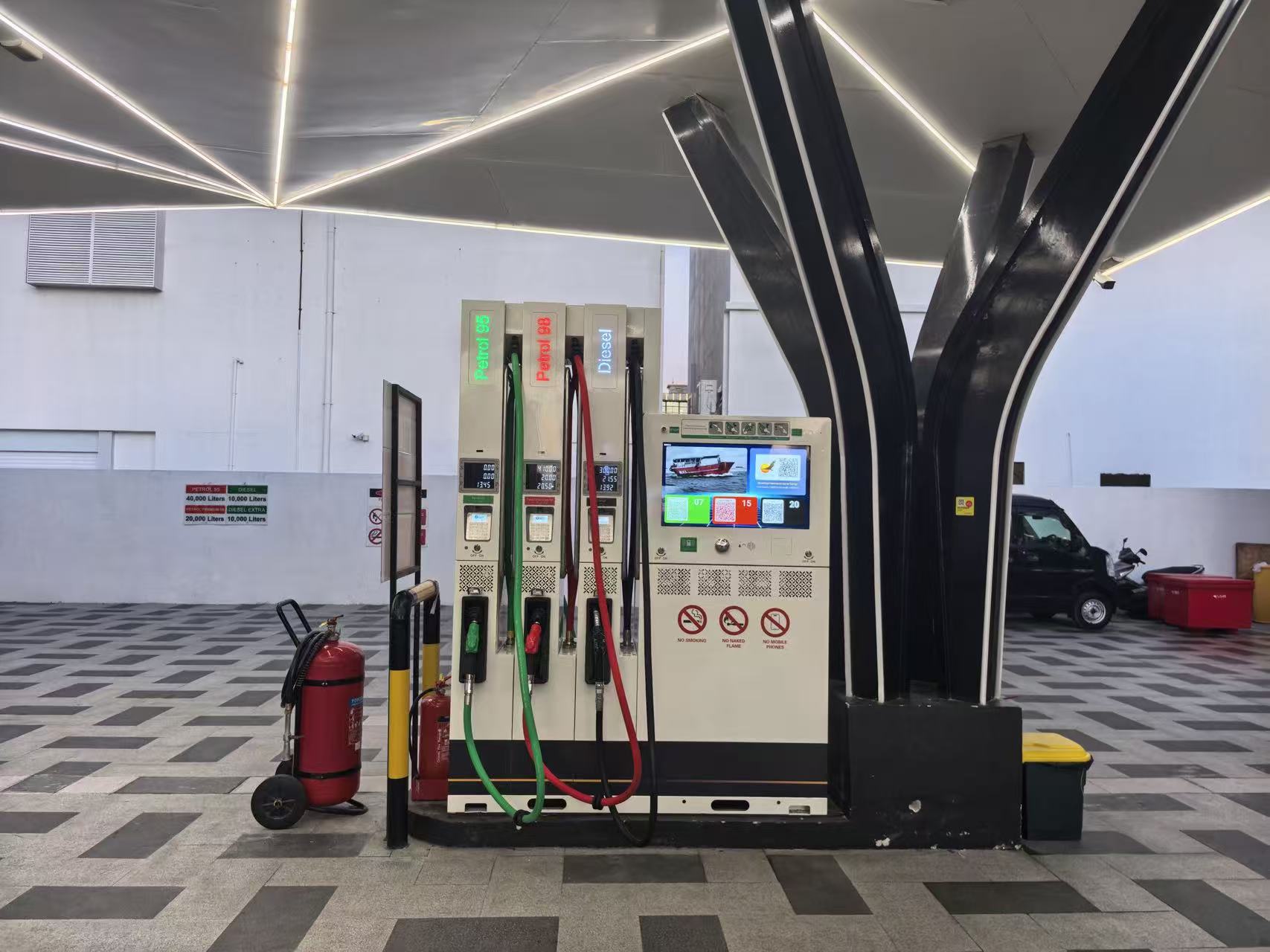
Custom housings earn their keep in products where the exterior is part of the daily interaction. Think about a handheld medical device, a premium camera grip, or a high-end audio knob—these are surfaces users repeatedly touch, glance at, and sometimes show to colleagues. A subtly textured finish, a deeply embossed logo, or a signature color can shift the perception from generic tool to intentional instrument. That shift isn't just cosmetic; it supports a higher price point and a stronger memory of the brand.
Another place where custom enclosures genuinely pay for themselves is in field visibility and mistake prevention. On a busy construction site or in a rental fleet, a bright orange housing with oversized, high-contrast branding helps workers grab the right tool without second-guessing. This isn't about decoration—it's about reducing downtime, preventing lost equipment, and avoiding dangerous mix-ups. The housing becomes a functional safety feature, not just a label.
But if the product lives inside a locked cabinet or is a replaceable internal component that no one ever sees, spending extra on a custom shell is usually waste. The money belongs in places where users actually look, touch, or present the product to others. Before investing in custom tooling, ask whether the exterior ever gets a moment of attention. If it doesn't, a standard enclosure does the job just fine.
Flow Rates, Nozzles, and Metering Choices That Matter
Getting the flow rate right is less about chasing a single ideal number and more about matching the pump's output to the job's real demands. A nozzle that feels perfect in a clean test loop can quickly disappoint once hose length, fittings, and elevation changes enter the picture. Many operators discover that a modest flow, paired with a nozzle that keeps the stream coherent, outperforms a higher volume that just splashes and erodes the target surface.
Nozzle selection often drifts toward whatever is already on the shelf, but small changes in orifice shape or spray angle shift how energy reaches the work. Flat fans spread the impact over a wide band, hollow cones suit rinsing, and solid streams cut through heavier deposits. The metering choice—whether a simple ball valve, a pressure-compensating device, or a variable orifice—determines how consistently that chosen flow holds when the operator moves, kinks a hose, or shares the line with another tool.
Rather than starting from a catalog's maximum rating, it helps to measure what the system actually delivers at the nozzle under typical working conditions. A flow meter placed just before the gun, or a timed bucket test at the discharge point, gives a baseline that ignores wishful thinking. From there, small adjustments to nozzle size, pressure setting, or pump speed can bring the output in line with what the surface can absorb without becoming a runaway utility bill.
Planning for Multi-Product and High-Volume Lanes
Coordinating lanes that carry many different products at high throughput demands more than a simple scheduling tweak. It calls for a clear-eyed view of how each item moves, where bottlenecks typically form, and which combinations of goods cause uneven flow. Rather than treating every SKU the same, planners often group products by shared handling traits—such as case size, velocity, or packaging fragility—so that high-volume lanes stay balanced without constant manual intervention.
A practical starting point is to map actual throughput against designed capacity for each lane, then identify the few product families that consistently drive congestion. Once those are known, you can stagger release times, reserve dedicated sub-lanes for the fastest movers, or adjust pick-face locations so that high-frequency items are closest to the shipping dock. These moves reduce unnecessary travel and keep workers from chasing orders across the facility.
The real test comes when volume shifts suddenly, such as during a seasonal peak or a new product launch. Static plans quickly fall apart unless the lane design includes buffer zones and flexible reassignment rules. By monitoring lane utilization daily and letting data—not habit—guide any rebalancing, teams can protect throughput without over-engineering the layout. The goal is a lane structure that feels stable on a normal day but bends rather than breaks when the mix changes.
Installation Pitfalls That Quietly Delay Fueling Projects
Fueling projects look straightforward on paper, but the moment boots hit the ground, minor installation mistakes start stacking up. A common culprit is misaligned underground piping—barely off by a few degrees, it forces crews to re-cut and re-weld joints, eating days that nobody budgeted for. Another quiet delay comes from electrical conduit runs that weren't coordinated with the dispenser layout, leaving techs to fish wires through crowded trenches while the concrete pour waits.
Even small oversights in site prep ripple outward. For instance, failing to verify the true elevation of the existing pad before ordering breakaway valves means the valve bodies sit too high or too low, triggering repeated adjustments to shear grooves and shear valves. And when the tank monitoring probes are installed before the backfill settles, false alarms start firing, pulling technicians off other tasks to chase ghosts.
What ties these pitfalls together is that they rarely show up on a punch list. They lurk in the gap between engineered drawings and real-world soil, concrete, and weather. The delays they cause don't announce themselves with a failure—they just slow every subsequent step, turning what should be a three-day install into a week of rework that no one can fully explain.
Keeping ODM Pumps Running Clean Through Seasonal Shifts
Seasonal shifts bring more than just temperature swings for ODM pumps. In colder months, condensation inside housings can mix with dust and turn into sludge that quietly eats away at seals. Meanwhile, warmer stretches invite fine debris and pollen to cling to intake screens, reducing flow before anyone notices a pressure drop. Staying ahead means checking those less obvious spots—drain plugs, breather caps, and shaft seals—when the weather turns, not just during scheduled shutdowns.
A practical routine doesn't have to be complicated. After a heavy rain or a windy week, wipe down external surfaces and clear any vegetation or debris around the base. For pumps running outdoors, a quick inspection of the motor fins and fan cover can prevent overheating when temperatures climb. If the pump handles water with seasonal sediment shifts, flushing the casing with clean water for a few minutes helps keep impellers from binding.
The goal is to make cleaning part of the seasonal rhythm rather than an afterthought. Operators who note small changes—like a slight vibration after a cold snap or a faint whine during humid spells—can catch buildup before it becomes a failure. ODM pumps are built to handle varied conditions, but they respond best when given a few minutes of attention at the right time. That consistency keeps them running clean long after the seasons change.
FAQ
It stands for original design manufacturer. Instead of buying a standard unit off the shelf, you work with a company that designs and builds the pump around your station's specific layout, fuel types, and branding needs. You get a product tailored to your operation, not a one-size-fits-all box.
If your station has unusual space constraints, wants a distinctive look, or needs to support alternative fuels like ethanol blends or hydrogen, a custom design often pays for itself through better flow rates and fewer maintenance headaches. Think of it as an investment in smoother daily operations rather than just a purchase.
Absolutely. A good ODM partner will integrate the pump's electronics with your current point-of-sale, loyalty programs, and fleet management software. You should provide your system specs early so the dispenser's interface is configured correctly from the start.
Make sure the manufacturer follows international standards like ATEX or UL for hazardous locations, and local fire codes. Ask for documentation on leak detection, emergency shutoff, and vapor recovery. A reputable ODM won't skip these details just because the unit is custom.
Plan for anywhere from three to six months depending on complexity. The design phase takes a few weeks for drawings and approvals, then production and testing add more time. Rushing this process usually leads to mistakes, so build a realistic timeline with your supplier.
Yes, that's a common request. A custom pump can be configured with separate nozzles and hoses for regular, premium, diesel, or even ethanol blends, all within one housing. The key is specifying the exact number of grades and hose lengths you need before manufacturing begins.
Not if you choose the right partner. A reliable ODM will stock spare parts for years and provide detailed service manuals. Before signing a contract, ask about warranty terms, response times, and whether they offer remote diagnostics or on-site training for your technicians.
Conclusion
A dispenser that looks right on paper can still fight the crew every shift. The real starting point is mapping the station's actual traffic pattern: which lanes handle cars, where trucks queue, and how attendants move between islands. Matching dispenser builds to those workflows often means adjusting hose lengths, display angles, or side placement before the order is locked. Custom housings and branding rarely change the core pumping hardware, but they do pay off at high-visibility sites where a distinctive shell reinforces a local or commercial identity. Beyond appearance, flow rates, nozzle types, and metering accuracy deserve closer attention than they typically get. A nozzle that drips or a meter that reads slightly high will surface as customer complaints long before a maintenance ticket is opened.
Stations that plan for multi-product and high-volume lanes need a different layout mindset from the start. Splitting diesel, gasoline, and ethanol across dedicated positions reduces cross-contamination risk and keeps peak-hour queues shorter. Installation is where many projects lose weeks without anyone noticing until the pour is already curing. Underground conduit runs, wiring from the ATG, and clearance for filter changes can quietly delay startup if they are not verified against the chosen ODM model. Once the station is live, keeping the pumps clean through seasonal shifts matters more than most operators expect. Temperature swings, dust, and humidity affect seals, filters, and meter calibration, so a short monthly inspection routine built around the manufacturer's guidance will prevent small issues from becoming nozzle outages during a busy weekend.
Contact Us
Contact Person: Jason
Email: [email protected]
Tel/WhatsApp: 8615876017548
Website: https://www.bei-lin.com/