

OEM Aluminum Intake Manifold Parts: The Ultimate Guide to Performance and Durability
2026-07-06
When it comes to unlocking your engine's full potential, every component matters—and the intake manifold sits at the heart of performance. OEM aluminum intake manifold parts offer the perfect blend of precision engineering and rugged durability, ensuring optimal airflow and long-lasting reliability. At DDR, we understand that genuine quality makes all the difference on the road or track. Whether you're restoring a classic or chasing horsepower gains, our expertise in aluminum manifold solutions helps you breathe new life into your build. Let's dive into what makes these components critical for both performance and endurance.
Understanding the Role of OEM Aluminum Intake Manifolds
The intake manifold is more than just a collection of tubes bolted to the engine—it’s the lungs of your vehicle, dictating how air reaches each cylinder. OEM aluminum intake manifolds stand out because they are factory-engineered to match exact engine specifications, ensuring a precise fit and balanced airflow. Unlike aftermarket options that may prioritize looks over function, these original parts maintain the delicate harmony between air velocity and distribution, which directly impacts throttle response and fuel efficiency.
Aluminum brings a blend of strength and heat management that plastic manifolds can’t always match. It resists warping under high temperatures and repeated heat cycles, so it holds its shape over years of hard driving. This matters because even tiny air leaks or deformations can upset the air-fuel ratio, leading to rough idling or lost power. OEM designs also incorporate smooth internal runners and carefully placed plenum volumes, refined through extensive testing to minimize turbulence and maximize cylinder filling at every RPM.
For anyone looking to keep their engine running as the manufacturer intended, sticking with an OEM aluminum manifold often means fewer headaches down the road. They bolt up without the need for adapters or modifications, and they play well with stock sensors and emission controls. Whether you’re nursing a high-mileage daily driver back to life or simply avoiding the guesswork of generic replacements, these manifolds deliver the kind of dependable airflow that helps the engine pull strong and run clean, mile after mile.
Material Matters: Why Aluminum Dominates in Manifold Construction
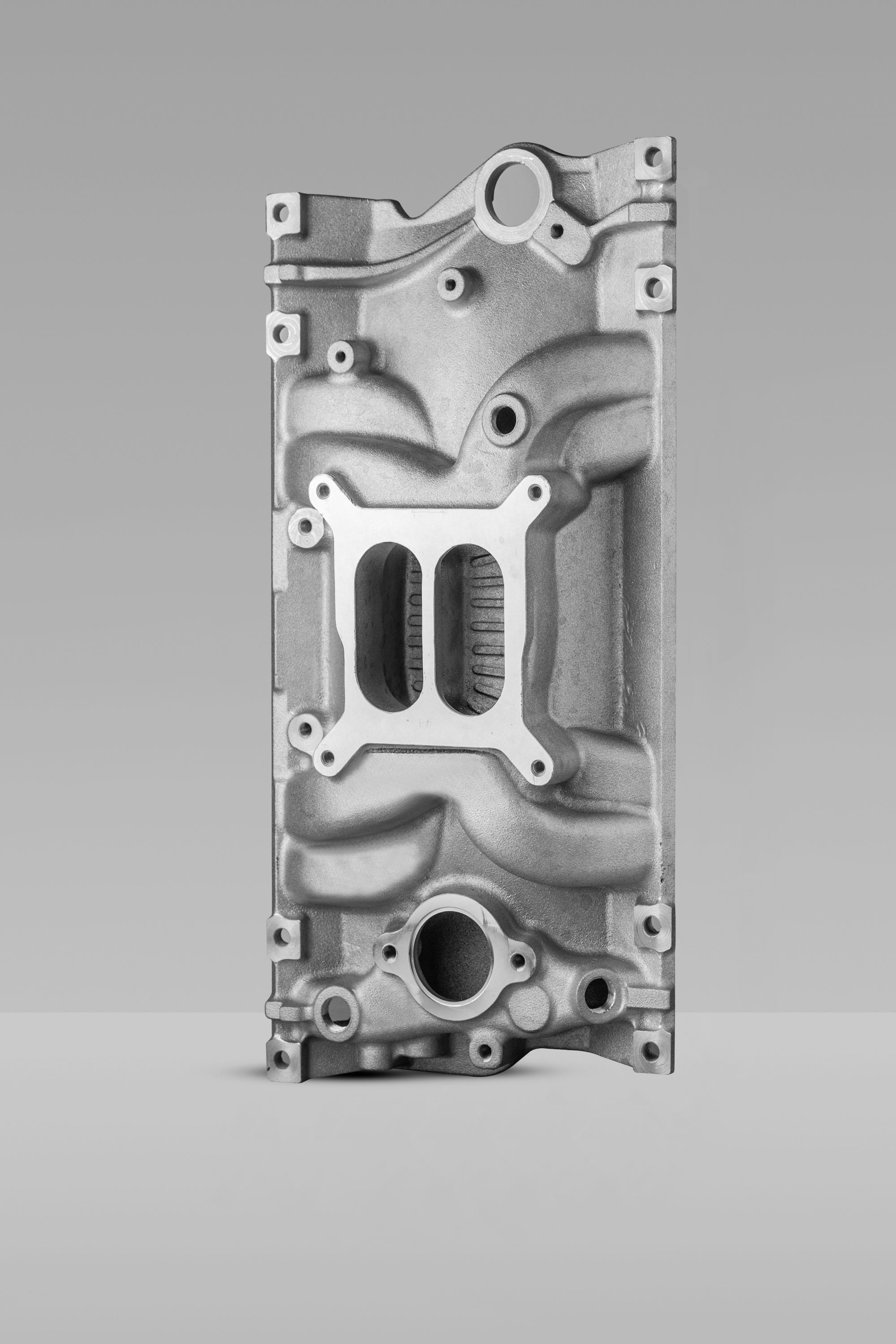
Aluminum’s strong foothold in manifold design isn’t accidental—it’s rooted in a blend of physical properties that directly tackle the demands of modern fluid systems. At just a third the weight of steel, it trims overall component mass without compromising structural integrity. This matters enormously in industries like automotive and aerospace, where every ounce counts toward efficiency. The metal’s innate corrosion resistance adds another layer of reliability, forming a tough oxide skin that shields against rust and chemical attack, even when routing aggressive coolants or pressurized air.
Machinability also tips the scales. Aluminum alloys cut cleanly and quickly, allowing complex internal passages to be carved out with precision while keeping tool wear low. That translates into tighter tolerances and faster production cycles—both critical when scaling from prototype to mass manufacturing. Beyond the shop floor, the material’s high thermal conductivity helps dissipate heat evenly, preventing hot spots that could warp seals or degrade fluids over time. It’s a practical synergy: less machining headache, better thermal behavior, and a finished part that stays dimensionally stable under thermal cycling.
Then there’s the recycling story, quietly working in the background. Aluminum can be reclaimed repeatedly without losing its inherent qualities, dropping energy consumption dramatically compared to smelting virgin ore. For manifold builders aiming to meet sustainability benchmarks without sacrificing performance, this closes the loop neatly. When you weigh the upfront manufacturing gains against decades of in-service durability and end-of-life reuse, it becomes clear why aluminum isn’t just a default pick—it’s a strategic advantage that few other materials can match across the full life cycle.
Performance Gains You Can Expect from an OEM Aluminum Intake
Swapping in an OEM aluminum intake manifold isn't just about shedding a few pounds under the hood. The real magic happens when you feel the throttle respond with a newfound eagerness, especially at higher rpm where the factory plastic unit tends to choke. The smoother internal runners and larger plenum volume allow the engine to gulp air more efficiently, translating into tangible horsepower and torque gains that you'll notice in daily driving and spirited pulls alike.
Beyond peak numbers, the aluminum construction helps manage heat better than plastic, keeping intake air temperatures more stable during extended runs. This consistency means your engine isn't constantly pulling timing to protect itself, so the power you feel on the first pull is the same power you get on the fifth. It's an upgrade that rewards with broader power curves and a more responsive character, making the car feel alive rather than just faster.
Durability Under Pressure: How OEM Aluminum Handles Extreme Conditions
Aluminum's natural oxide layer does more than resist corrosion—it actively heals minor scratches, sealing out moisture and chemicals that would quickly degrade ordinary metals. This self-renewing shield means OEM aluminum components maintain their integrity even when subjected to abrasive dust, salt spray, or industrial solvents, making them ideal for applications where consistent performance is non-negotiable.
Beyond surface toughness, the alloy formulations used in OEM parts are engineered to absorb and redistribute stress. Under cyclical loading—like the constant vibration in engine mounts or the shock of off-road suspension hits—the metal flexes microscopically without work-hardening into brittleness. That fatigue resistance translates directly into longer service intervals and fewer premature failures, even when pushed beyond rated specs.
Thermal extremes pose another test. OEM aluminum dissipates heat rapidly, preventing hot spots that warp or weaken assemblies. At the other end, it retains ductility in subzero cold where steel grows fragile. Whether it's a radiator cycling from blistering track temperatures to icy water or a structural bracket enduring rapid temperature swings, the material stays dimensionally stable, preserving tight tolerances and seal integrity without special coatings or inserts.
Choosing the Right OEM Manifold for Your Engine Build
Factory intake manifolds often get overlooked in favor of flashy aftermarket options, but for many builds they strike a perfect balance between cost, reliability, and fitment. When you start tearing into a junkyard or donor engine, the manifold that comes bolted to the head might already be engineered to match your target powerband—especially if you're working with a platform that had multiple OEM variants. Pulling a plastic manifold from a later-model car can shed weight and improve low-end torque, while an earlier cast aluminum piece might flow better up top and handle boost without flexing. The key is knowing what the factory engineers had in mind when they designed each version.
One of the smartest moves you can make is to cross-reference part numbers across model years and trim levels. An intake from a performance-oriented trim—think GT, Si, or SS—might have larger runners, a smoother plenum, or a dual-stage setup that wakes up a mild engine. Even within the same engine family, cam profiles and compression ratios often dictated manifold design, so bolting onto a stock long block without considering those variables can actually kill power. I've seen guys chase an extra 10 horsepower by swapping to an OEM piece from a different market, like a Euro-spec manifold with a freer-flowing design, just because it's a straight bolt-on that costs a fraction of a custom sheet-metal intake.
Don't underestimate how much a manifold affects throttle response and tuning behavior. Long runners are great for daily driving grunt, while short, fat runners lean toward top-end screamers. Your engine builder can help you map out where you want peak torque to hit, then you can dig through OEM catalogs to find the right geometry. Also consider material—plastic intakes don't heat soak as badly as aluminum, which matters in a tight engine bay. With a bit of research and some creative junkyard sourcing, the right factory manifold can be the unsung hero of a balanced, budget-friendly engine build.
Installation Insights: Getting the Most from Your Aluminum Intake
When you first unbox that shiny aluminum intake, it's tempting to bolt it on and call it a day. But taking a few extra minutes during installation can make a noticeable difference in both performance and longevity. Start by double-checking all the connections and ensuring the couplers are seated properly. A loose clamp might not seem like a big deal, but it can introduce unfiltered air and throw off your air-fuel ratios. I always give each connection a gentle tug after tightening to make sure nothing slips under pressure.
Another often-overlooked step is cleaning the MAF sensor while you have the intake off. Since you're already in there, a quick spray with MAF cleaner can prevent idle issues down the line. Also, pay attention to how the intake routes—avoid pinching or rubbing against sharp edges that could eventually wear through the tubing. A little bit of strategic positioning goes a long way in preventing heat soak and keeping intake air temperatures lower.
Finally, after everything is buttoned up, take the car for a gentle drive first and listen for any unusual noises. Let the ECU adapt before you start pushing it hard. The intake will really come alive after a few heat cycles, and that initial throttle response improvement will be even more satisfying when you know the install was done right.
FAQ
They are original equipment manufacturer components designed specifically for your vehicle's make and model, cast from high-grade aluminum in factory-specified molds. Unlike generic aftermarket alternatives, they maintain exact port alignment, sensor fitment, and gasket surfaces without the need for adapters or modifications.
Aluminum offers superior thermal stability and resistance to heat soak distortion that can plague plastic manifolds under sustained load. It also allows for more aggressive port shaping, smoother internal surfaces after extrude honing, and is far less prone to cracking from backfires or prolonged pressure cycling.
You'll notice sharper throttle response due to optimized runner lengths and reduced air turbulence. Mid-range torque fills in noticeably, making overtaking and hill climbs feel effortless. Because it's a factory-designed part, the powerband gains complement the original ECU mapping rather than fighting it, preserving everyday smoothness.
Aluminum shrugs off the thermal shock cycles that cause plastic to become brittle over time. It resists chemical degradation from oil vapors and fuel additives, won't warp under high-boost pressure spikes, and dissipates heat more evenly, protecting sensitive sensors and gaskets from localized hot spots.
It's a bolt-on affair if you're replacing the same OEM part – just use fresh gaskets, follow the factory torque sequence, and double-check vacuum line routing. The ECU should adapt within a few drive cycles. If you're swapping from a plastic manifold to an aluminum version of the same design, no retune is required, though a throttle calibration reset might smooth out initial idle.
Look for the manufacturer's logo heat-stamped into the casting, not a sticker. The grain structure should be uniform with no pits or porosity from sand casting shortcuts. Genuine parts often have a date code wheel imprinted near the throttle body flange, and the weight will feel substantial – cheap replicas use thinner walls to save on material costs.
Conclusion
OEM aluminum intake manifolds remain the go-to upgrade for enthusiasts chasing reliable horsepower without sacrificing everyday drivability. Their role in optimizing airflow is often underestimated—by carefully shaping runner length and plenum volume, these components tune the pressure waves that feed each cylinder, directly boosting volumetric efficiency. Unlike plastic alternatives that can degrade under repeated heat cycling, aluminum construction inherently resists warping and cracking, maintaining a perfect seal even when faced with extreme under-hood temperatures and boost pressures. This material property not only extends the lifespan of the manifold but also ensures consistent performance lap after lap, mile after mile.
When selecting an OEM aluminum piece, the key lies in matching the manifold’s design to your engine’s intended powerband and displacement. Factory engineers have already done the hard work of flow bench testing and resonance tuning, so a stock aluminum manifold often outperforms flashy aftermarket units below 6,000 RPM where most street driving occurs. Installation is straightforward but demands attention to torque sequences and gasket surfaces to prevent vacuum leaks that sap power. Many builders overlook the simple step of lightly port-matching the runners to the cylinder head, which can unlock a few extra ponies for minimal effort. Ultimately, trusting OEM aluminum not only streamlines the build process but also delivers a blend of durability and throttle response that aftermarket catalogues struggle to replicate.
Contact Us
Contact Person: Shelly
Email: [email protected]
Tel/WhatsApp: 8613967667688
Website: https://www.yongyu.com/