

Perfume Bottle Supplier Selection Tips for Emerging Fragrance Brands
2026-11-25
Launching a fragrance line comes with enough pressure without watching your bottle order arrive late, off-spec, or impossible to scale. Many emerging brands focus on the juice first, then discover that the bottle supplier decision quietly shapes margins, lead times, and how buyers read your brand at first glance. Instead of treating packaging as a checkbox, it pays to know what actually separates a reliable partner from an expensive gamble. In this guide, we break down practical selection criteria for perfume bottle suppliers, drawing on the sourcing experience behind Imagine Craft Packaging so you can avoid costly missteps before your next production run.
Match Material Choices to the Story You Want on the Shelf
The shelf is a quiet argument, and materials are the evidence. A rough, uncoated stock can make a small-batch product feel honest before anyone reads the label, while a high-gloss surface tends to imply speed, polish, or something built for mass appeal. Choosing between them is not about good or bad finishes; it is about which story can actually survive the first few seconds of eye contact.
When the narrative leans on heritage, grain, or human hands, let the material show its own imperfections. Recycled boards, cotton-rich papers, debossed type, and soft-touch coatings slow the hand down. They create friction and a little reluctance to put the object back. That pause is often the entire difference between being seen as a commodity and being remembered as a find.
For a more contemporary or disruptive story, contrast does more than consistency. A mirrored foil on an otherwise plain carton, a translucent sleeve over a raw label, or a single vivid edge on matte black packaging can make the shelf feel like it belongs to you. The goal is not to decorate the surface. It is to make the material choice sound like the product's own voice, not an afterthought.
Ask About Minimums Before You Fall in Love with a Bottle
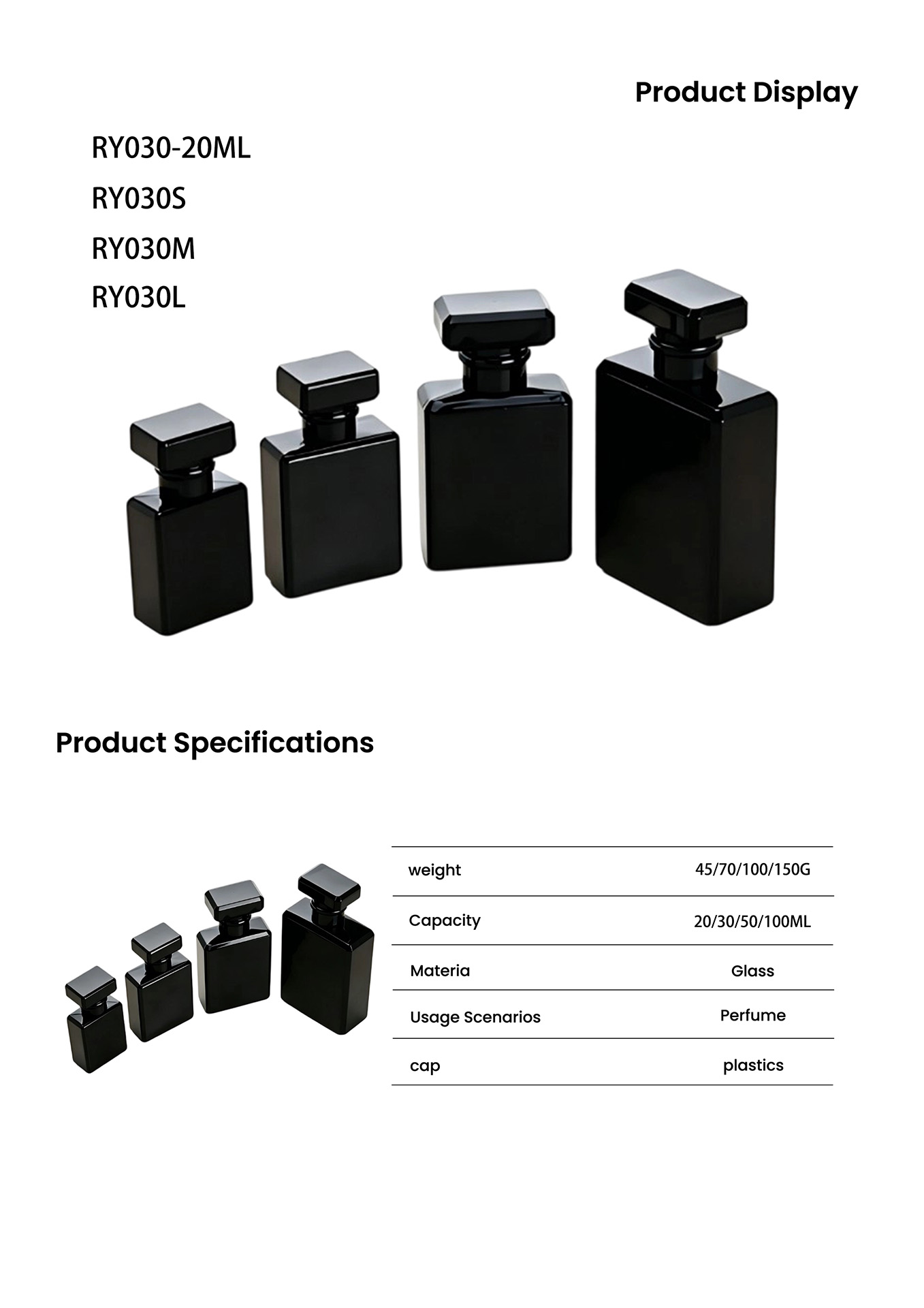
Falling for a bottle is easy. The shape sits right in your hand, the label feels considered, and suddenly you’re comparing colors instead of logistics. That is exactly when you should pause and ask what the minimum order actually is. A beautiful bottle with a thousand-unit requirement is a different decision than one you can order by the case.
Minimums vary more than most suppliers advertise. One workshop may happily run fifty pieces, while another calls that a sample and pushes you toward a full production line. Ask directly, and ask early. Sometimes the number moves if you’re flexible on color, closure, or lead time, but you won’t know unless the question is on the table.
Once you have the real minimum, measure it against your space, budget, and actual demand. It’s not about rejecting a bottle you love. It’s about knowing whether the commitment fits before the affection costs you a garage full of boxes.
Test the Sprayer and Cap as Hard as You Test the Scent
A fragrance can be beautiful, but if the sprayer stutters or the cap cracks under normal use, the whole experience falls apart before the scent even reaches the skin. That's why we test the hardware with the same intensity we apply to the formula. Sprayers are cycled repeatedly, checked for a fine, even mist, and measured for actuation force. Bottles are laid on their sides for days to expose slow leaks around the collar, dip tube, and closure. Caps get pulled, twisted, dropped, and left in heat and cold to see whether they stay tight or start to wobble.
Most failures we catch have nothing to do with the perfume itself. A cracked collar, a loose cap, or a sprayer that spits instead of misting can ruin a product that smelled perfect in the lab. So the cap and sprayer are treated as part of the composition, not as afterthoughts. A mechanism that still clicks cleanly and delivers a steady plume after heavy testing says more about the bottle's real-world life than a scent strip ever will.
Pin Down Real Lead Times, Not the Sales Pitch Version
A quoted lead time is often the cleanest possible version of events. It assumes materials are already sitting in the warehouse, the production line has an open slot, and nothing gets delayed in inspection or transit. Most orders do not actually move that way, so treat the first number as a starting point rather than a commitment.
Get specific about what the figure includes. Ask whether the clock starts when the order is placed or when engineering finally signs off, and what happens if a component runs late or the factory is already overbooked. A realistic answer usually comes in pieces: procurement, manufacturing, quality control, and shipping each carry their own time, and those pieces rarely line up perfectly.
When possible, check the quote against actual shipment history. Past orders tend to reveal whether deliveries consistently land closer to four weeks or seven, regardless of what the sales team promises. That gap is what should drive inventory buffers and customer dates, not the optimistic number from the first conversation.
Request Samples Filled with Your Formula, Not Water
Most brands dilute their request samples with filler ingredients, hoping nobody notices. Yours shouldn't need that trick. When a buyer receives a formula that performs from the first touch, they don't ask what's missing—they ask how soon they can place an order. Keep your sample concentrated, purposeful, and honest about what it can do.
Think of the sample as a handshake, not a full conversation. It should leave a strong impression without exhausting the entire story. If your sample is padded with water or cheap stabilizers just to reach a volume threshold, it tells the buyer you're more concerned with looking full than being effective. A smaller, richer sample always beats a larger, weaker one.
Before shipping, test it yourself. Does the texture hold after three minutes? Does the scent stay true or vanish into a generic base? If you wouldn't use it twice, don't send it. Buyers can smell hesitation in a formula—and they'll move on before giving you a second chance.
Build a Shortlist That Can Handle Your Smallest Runs
When you are dealing with small production volumes, the usual supplier criteria stop being useful. A vendor with impressive capacity and low unit prices may still be a poor fit if their minimum order requirements are five times larger than your typical job, or if they charge a flat setup fee that wipes out any savings. Start by filtering for shops that explicitly state they accept short runs, then verify what that actually means to them: some consider 500 units a short run, while others are comfortable with 50 or fewer.
Once you have a few names, ask how they keep small batches profitable without cutting corners. The answer reveals a lot. Look for manufacturers that use digital or on-demand production methods, share tooling across clients, or schedule smaller jobs around larger ones instead of treating them as an interruption. If a supplier hesitates to discuss their process in this kind of detail, that hesitation usually shows up later as delayed lead times or inconsistent quality when your order size drops.
Test the shortlist with a modest paid order before you need the work done. A low-pressure trial run gives you a clearer read than any quote: you will see how they handle file preparation, whether their communication stays sharp, and whether the finished pieces actually arrive when promised. Keep the suppliers that treat a small order as a real project, not as a favor.
FAQ
Ask for references from brands at a similar stage, not just established names. Have them send physical samples from current production, and pay attention to neck threading, sprayer fit, and how they handle defect claims. A supplier that is upfront about breakage rates and past mistakes is usually easier to work with than one that promises perfection.
Do not accept the first MOQ you are given. Ask whether the bottle comes from a stock mold or requires custom tooling, because stock options often have much lower minimums. Also clarify whether the number refers to bottles alone or complete sets with caps and pumps, and ask if you can split finishes across the same glass to reduce risk.
Not in isolation. A cheap bottle price can hide tooling fees, sampling charges, poor packing, or higher defect rates that lead to more loss later. Compare the total landed cost per unit including shipping, duties, and an allowance for damaged stock before deciding.
Check wall thickness, weight, base stability, and whether the neck finish lines up cleanly with your chosen cap and pump. Look closely at seams, coating evenness, and clarity. Then do a simple drop test inside your actual packaging to see how the bottle survives rough handling.
Customize a stock mold instead of jumping straight to fully custom glass. Small changes such as a heavier base, a distinctive collar, a custom color, or a bespoke cap can make the bottle feel more ownable without requiring a large tooling investment.
Once you have some proof of demand or enough capital to absorb the mold fees and higher minimums. Custom molds usually start to make sense at several thousand units, but the design should be tested for filling, capping, and shipping, not just approved because it looks good on a screen.
Vague answers about lead times, reluctance to share the factory location, no written defect policy, pressure to pay full tooling before seeing samples, or samples that arrive with inconsistent quality. Communication that slows down after a deposit is another warning sign.
Never assume compatibility from drawings alone. Ask the supplier to ship assembled samples with your chosen closure and pump, then test spraying, leaking, and evaporation over at least a week. Confirm the neck finish specifications in writing so you have a clear reference if future batches fail.
Conclusion
An emerging fragrance brand rarely wins on juice alone. The bottle, cap, and sprayer carry most of the first impression, so the materials you pick should earn their place in the story you are trying to tell. Heavy glass may signal old-world luxury, but it can fight against a fresh, minimalist label; coated finishes or recycled materials might fit a cleaner narrative. Before you commit to any of it, ask bluntly about minimum order quantities. Plenty of beautiful stock bottles come with purchase floors that quietly kill a small launch budget. Get the numbers early, and do not fall in love with a design you cannot actually afford to run.
Sampling is where weak suppliers show themselves. Insist on samples filled with your actual formula, not water or a generic alcohol base, because viscosity and fragrance oils change how a sprayer performs. Test the sprayer and cap hard through repeated presses, travel jostling, heat, and a few drops on a shelf. A gorgeous flacon with a leaking or stiff sprayer will undo your brand faster than a mediocre scent. Press for realistic lead times in writing, especially around glass decorating or custom caps, and build a shortlist of suppliers who can handle your smallest runs without treating you as an afterthought. Small, flexible partners often beat big catalogs when things go wrong.
Contact Us
Contact Person: Sunnie
Email: [email protected]
Tel/WhatsApp: +8615818596517
Website: https://www.imagine-craft.com/