
Polyethylene Glycol (PEG): Top 10 Uses and Benefits for Health and Industry
2026-03-03
Have you ever wondered about the invisible hero behind countless daily products, from your skincare to industrial manufacturing? Polyethylene Glycol (PEG) might not be a household name, yet it plays a pivotal role across health and industry sectors, offering remarkable versatility. In this post, we dive into PEG's top 10 uses and benefits, exploring how this compound enhances everything from pharmaceuticals to packaging. And for those keen on high-quality PEG solutions, POLYKEM stands at the forefront, delivering innovative applications that set new standards. Get ready to uncover the secrets of this unsung material and see why it's a game-changer in today's world—let's get started!
Polyethylene Glycol's Role in Pharmaceutical Formulations
In pharmaceutical formulations, polyethylene glycol (PEG) serves as a versatile and widely used excipient, valued for its ability to enhance solubility, stability, and bioavailability of active ingredients. Its hydrophilic nature allows it to interact effectively with water, making it ideal for oral liquids, ointments, and injectable solutions. For instance, in solid dosage forms like tablets, PEG is often employed as a binder or lubricant, ensuring uniform drug distribution and smooth manufacturing processes. Beyond these functional benefits, PEG's biocompatibility and low toxicity have made it a staple in the industry, contributing to safer and more effective drug delivery systems that improve patient outcomes across various therapeutic areas.
Moreover, PEG plays a critical role in modifying drug release profiles, enabling sustained or controlled release formulations that optimize therapeutic effects while minimizing side effects. By forming matrices or coatings, PEG can slow down the dissolution of active compounds, allowing for prolonged action in the body. This is particularly beneficial for drugs with short half-lives or those requiring steady plasma concentrations. In topical applications, such as creams and gels, PEG acts as an emollient and humectant, enhancing skin penetration and hydration without causing irritation. These adaptable properties not only increase the shelf-life of products but also foster innovation in personalized medicine, where tailored formulations can better meet individual patient needs.
Additionally, the use of PEG extends to advancing novel pharmaceutical technologies, including nanotechnology and bioconjugation. In nanoparticle-based drug delivery, PEGylation—the covalent attachment of PEG chains—shields therapeutic agents from immune detection, thereby reducing clearance rates and extending circulation time in the bloodstream. This approach has revolutionized treatments for conditions like cancer and chronic diseases, allowing targeted delivery with improved efficacy. Despite its advantages, ongoing research addresses potential challenges, such as hypersensitivity reactions in some patients, ensuring that PEG continues to be refined for safer applications. Overall, PEG's multifaceted contributions underscore its indispensability in modern pharmaceutical development, driving progress toward more efficient and patient-friendly therapies.
Enhancing Drug Solubility with Polyethylene Glycol Applications
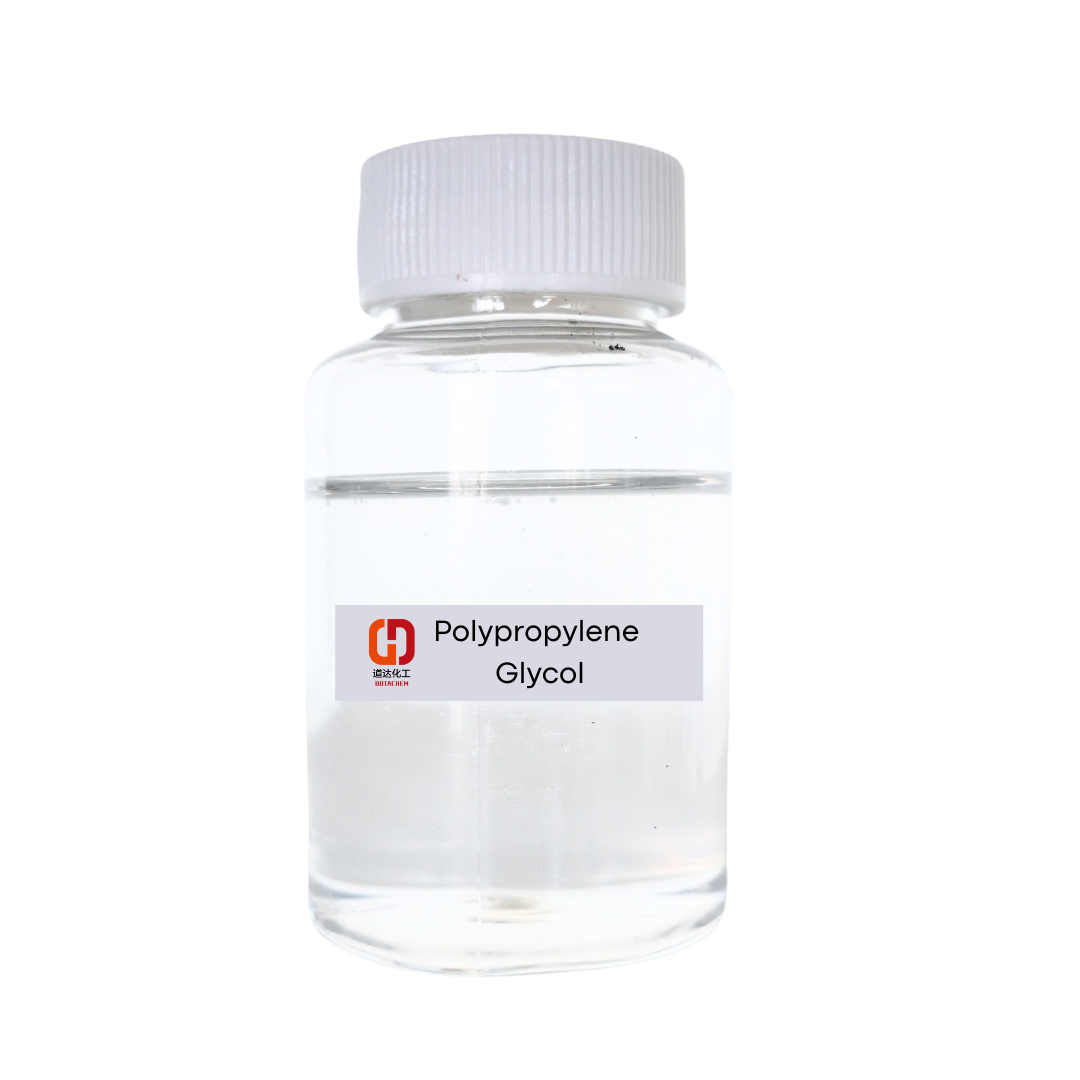
In the realm of pharmaceutical development, one of the most persistent hurdles is improving the solubility of drugs, especially for those with poor water solubility that can limit bioavailability and therapeutic efficacy. Polyethylene glycol (PEG), a versatile polymer, has emerged as a game-changer in this area. Its applications range from simple solubility enhancers in liquid formulations to complex modifications in solid dispersions. By interacting with drug molecules, PEG can increase their dissolution rates, making them more accessible for absorption in the body. This approach is particularly valuable for hydrophobic compounds, where traditional methods like grinding or adding surfactants might fall short. Researchers and manufacturers often turn to PEG-based solutions to optimize drug delivery without compromising safety, leveraging its well-established biocompatibility and regulatory approval.
Delving deeper, PEG's role isn't just about solubility—it also enhances stability and control in drug formulations. For instance, PEGylation, the process of attaching PEG chains to drugs or nanoparticles, can significantly prolong circulation times in the bloodstream, reducing side effects and improving targeted delivery. This technique has been instrumental in developing anticancer drugs and biologics, where precise dosing and extended release are critical. Beyond simple mixtures, PEG can be engineered into co-polymers or hydrogels, providing tunable properties that adapt to specific drug needs. Such innovations highlight how PEG applications go beyond basic solubility boosts to foster more sophisticated, patient-friendly therapies.
Moreover, the versatility of PEG extends to various pharmaceutical forms, from oral tablets to injectables, making it a cornerstone in modern drug design. By integrating PEG into formulation strategies, scientists can tackle solubility issues across diverse therapeutic areas, ensuring that even challenging molecules achieve their full potential. As research continues, new PEG derivatives and combinations are being explored, promising even greater advancements in drug development. Ultimately, enhancing drug solubility with PEG applications isn't just a technical fix—it's a strategic move toward more effective and accessible healthcare solutions.
Polyethylene Glycol as a Versatile Industrial Lubricant
Polyethylene glycol (PEG) stands out as a remarkably adaptable lubricant in industrial settings, prized for its water-soluble nature and low toxicity. Unlike many conventional oils that can leave stubborn residues or environmental hazards, PEG-based lubricants glide smoothly into applications ranging from food processing equipment to pharmaceutical manufacturing lines. What truly sets PEG apart is its ability to function effectively across a broad temperature range while maintaining stability, reducing friction in everything from conveyor belts to precision tools without compromising safety or cleanliness.
Diving deeper, PEG's versatility shines in its tunable viscosity, which can be adjusted by altering its molecular weight—this means engineers can tailor lubrication properties to meet specific demands, from high-speed machinery to heavy-duty industrial presses. Its non-ionic character ensures compatibility with a wide array of materials, preventing corrosion or degradation in sensitive components. In practice, this translates to extended equipment lifespan and fewer maintenance headaches, making PEG a go-to choice for industries prioritizing efficiency and sustainability over traditional, messier alternatives.
Beyond its technical merits, PEG's role extends into eco-friendly innovation, as it biodegrades more readily than many petroleum-based lubricants, aligning with modern environmental standards. Whether in automotive assembly lines or textile production, its lubricating prowess minimizes energy consumption and heat generation, subtly boosting operational throughput. This multifaceted adaptability not only underscores PEG's reliability but also positions it as a forward-thinking solution in an era where industrial processes increasingly demand both performance and responsibility.
Polyethylene Glycol in Cosmetics and Personal Care Products
Polyethylene glycol, often abbreviated as PEG, is a versatile ingredient that pops up in countless cosmetics and personal care items, from moisturizers to shampoos and toothpaste. What makes PEG so popular is its ability to act as a humectant, drawing moisture into the skin, and as a thickener or solvent, helping to blend other components smoothly. It's derived from ethylene oxide, and the number attached to its name, like PEG-100 or PEG-400, indicates the molecular weight, which influences its texture and function—lighter versions might feel more slippery, while heavier ones add creaminess.
Beyond just mixing things together, PEG plays a subtle role in enhancing product performance. In lotions, it can improve spreadability, making them easier to apply without feeling greasy, while in cleansers, it helps to dissolve oils and dirt for a more thorough cleanse. Some formulations use PEG to stabilize emulsions, preventing ingredients from separating over time, which means your favorite cream stays consistent from the first use to the last. Interestingly, its safety profile is generally well-regarded by regulatory bodies, but it's worth noting that some people with sensitive skin might experience irritation, especially if it's combined with certain other chemicals.
The use of PEG in cosmetics isn't just about function; it also ties into broader trends in product development. As consumers become more ingredient-savvy, brands are exploring PEG alternatives or using it in lower concentrations to appeal to natural-minded shoppers. However, PEG remains a staple due to its cost-effectiveness and reliability—it's a workhorse behind the scenes that ensures your daily routine products perform as expected, whether you're hydrating dry skin or getting a deep clean. So next time you scan a label, spotting PEG might give you a glimpse into the careful balance of science and usability that goes into your go-to items.
Applications of Polyethylene Glycol in Food and Beverage Processing
While polyethylene glycol (PEG) might initially seem like an obscure chemical compound, it actually plays a subtle but significant role in enhancing the consistency and shelf life of various food products. One of its primary applications lies in acting as a humectant or moisture regulator, helping to prevent baked goods like cakes and pastries from drying out too quickly. This preservation of texture ensures that these items remain soft and palatable for longer periods, making PEG a go-to additive for manufacturers aiming to reduce waste and maintain quality in distribution chains.
Beyond moisture control, PEG serves as a functional processing aid in beverage production, particularly in clarifying agents and antifoam applications. In winemaking and brewing, for example, it helps remove unwanted particles and stabilize liquids, leading to clearer, more visually appealing products without altering their essential flavors. This dual purpose of improving both physical appearance and processing efficiency highlights PEG's versatility in beverage systems, where even minor improvements in clarity and foam control can significantly impact consumer perception and operational costs.
Furthermore, PEG finds niche uses in specialty foods, such as acting as a carrier for flavors, colors, or vitamins in fortified items like energy bars or powdered drinks. By facilitating even distribution of these additives, it ensures consistent taste and nutritional content across batches, which is crucial for brands building trust through reliable product experiences. Although often operating behind the scenes, PEG's contributions to texture, stability, and uniformity underscore its importance in meeting modern demands for both convenience and quality in food and beverage processing.
Polyethylene Glycol's Impact on Medical and Health Equipment
Polyethylene glycol (PEG), a polymer derived from ethylene oxide, has quietly reshaped the landscape of medical devices and health equipment. Initially familiar for its role in pharmaceuticals, PEG's versatility has extended to making medical equipment more durable and biocompatible. For instance, it's commonly used as a coating on surgical instruments, reducing friction and wear to enhance precision during procedures. This adaptability allows for safer and more efficient tools in operating rooms, directly impacting patient outcomes.
In diagnostic equipment, PEG plays a crucial role in improving accuracy and reliability. It serves as a stabilizer in reagents and sensors, helping to maintain consistent performance over time. This ensures that devices like glucose meters or blood analyzers deliver trustworthy readings, which is vital for timely medical decisions. Without PEG, many of these instruments might struggle with degradation or inconsistent results, potentially leading to misdiagnoses.
Moreover, PEG's impact extends to consumables such as wound dressings and catheters, where its hydrophilic properties aid in moisture management and reduce infection risks. By integrating PEG into these products, manufacturers create solutions that are not only functional but also more comfortable for patients, fostering better healing and overall healthcare experiences.
FAQ
Polyethylene glycol is frequently used in laxatives and bowel prep solutions due to its osmotic properties, which help draw water into the intestines to relieve constipation. It also appears in some skin creams and ointments, where it acts as a moisturizer and stabilizer, aiding in the treatment of dry or irritated skin conditions.
In pharmaceuticals, PEG serves as a crucial excipient in capsules and tablets, helping to control drug release rates and improve solubility. It's also utilized in the production of medical devices, such as coatings for catheters, to reduce friction and prevent infections, enhancing patient safety during procedures.
PEG finds use as a lubricant and plasticizer in industrial processes, reducing friction in machinery and improving the flexibility of materials like plastics and rubber. In construction, it can be added to concrete mixtures to act as a dispersant, enhancing workability and strength without compromising durability.
Yes, PEG is a common ingredient in cosmetics such as lotions, shampoos, and makeup, where it functions as a thickener, emulsifier, and humectant. It helps blend ingredients smoothly, maintains moisture in products, and can improve the texture and application of skincare items without causing irritation for most users.
PEG is generally considered safe when used as directed, but it can cause allergic reactions in sensitive individuals. From an environmental perspective, it's biodegradable under certain conditions, though large-scale industrial disposal requires proper management to minimize potential impacts on water systems and ecosystems.
Recent studies explore PEG in drug delivery systems, such as PEGylation, where it's attached to proteins or nanoparticles to extend circulation time in the body and target specific tissues. Other cutting-edge applications include its use in hydrogels for wound healing and as a component in sustainable packaging materials to reduce plastic waste.
PEG is often more cost-effective than many synthetic polymers due to its low production costs and high availability. It excels in versatility, offering a balance of properties like solubility and stability that can outperform alternatives like glycerol or propylene glycol in certain applications, though effectiveness varies based on the specific use case.
Conclusion
Polyethylene Glycol (PEG) is a versatile compound widely used across health and industrial sectors, with key applications in pharmaceuticals, cosmetics, and food processing. In pharmaceutical formulations, PEG enhances drug solubility and stability, making it crucial for effective oral and topical medications. It also plays a significant role in medical equipment, such as in lubricating catheters and other devices, ensuring smooth operation and patient safety. This multifunctionality underscores PEG's importance in improving health outcomes and advancing medical technology, blending seamlessly into various products without compromising quality or efficacy.
Beyond healthcare, PEG's benefits extend to industrial and consumer applications. As a reliable industrial lubricant, it reduces friction in machinery, boosting efficiency and longevity. In cosmetics and personal care, PEG acts as a humectant and emulsifier, enhancing product texture and moisture retention. Additionally, it finds use in food and beverage processing, where it aids in stabilizing and texturing products. These diverse roles highlight PEG's adaptability, making it a cornerstone in both everyday items and specialized industrial processes, driving innovation and reliability across multiple fields.
Contact Us
Contact Person: Levi
Email: [email protected]
Tel/WhatsApp: +86 532 84688720
Website: https://www.polykem-intl.com