

Q235B Solar Steel: Key Insights for Factories in China
2026-01-29
In the ever-evolving landscape of solar energy, material choice can make or break a project's success. For factories in China, where innovation meets manufacturing prowess, Q235B solar steel stands out as a critical component in harnessing solar power. But what sets this steel apart, and how can it drive efficiency and durability in your operations? At Energet Solar, we're diving deep into the key insights that every factory should know about Q235B steel. From its robust properties to cost-effective applications, this blog will uncover why it's becoming the go-to choice for sustainable energy solutions. Join us as we explore how this material can transform your solar projects, backed by practical tips and industry expertise. Stay ahead of the curve—let's get started!
Understanding the Basics of Q235B Steel for Solar Applications
Q235B steel is a popular carbon structural steel grade, widely used in various industrial sectors, including solar energy applications. It is known for its excellent mechanical properties, such as moderate strength and good weldability, which make it suitable for constructing solar panel mounting systems, frames, and support structures. The 'Q' in Q235B stands for yield strength, 235 indicates the minimum yield strength in MPa, and 'B' denotes the quality grade based on impact toughness at room temperature. This steel's versatility and cost-effectiveness have led to its adoption in solar farms, where durability and resistance to environmental factors like wind and snow loads are crucial.
In solar applications, Q235B steel is often fabricated into galvanized or painted forms to enhance corrosion resistance, especially in outdoor installations exposed to harsh weather conditions. The material's ability to be easily shaped and assembled allows for efficient production of custom mounting brackets and tracking systems, which optimize panel orientation for maximum sunlight absorption. Moreover, its compliance with international standards, such as those set by ASTM or EN, ensures reliability and safety in long-term solar projects, contributing to the overall efficiency and lifespan of solar energy systems.
While Q235B steel offers solid performance for static solar structures, its use in dynamic components, like rotating tracker systems, requires careful engineering to account for fatigue and stress cycles. Innovations in surface treatments and alloy modifications are continually improving its application in solar technology, making it a go-to choice for many industry professionals. By balancing strength, affordability, and adaptability, Q235B steel plays a key role in advancing sustainable energy solutions through robust and scalable infrastructure.
Benefits of Q235B in China's Solar Manufacturing Sector
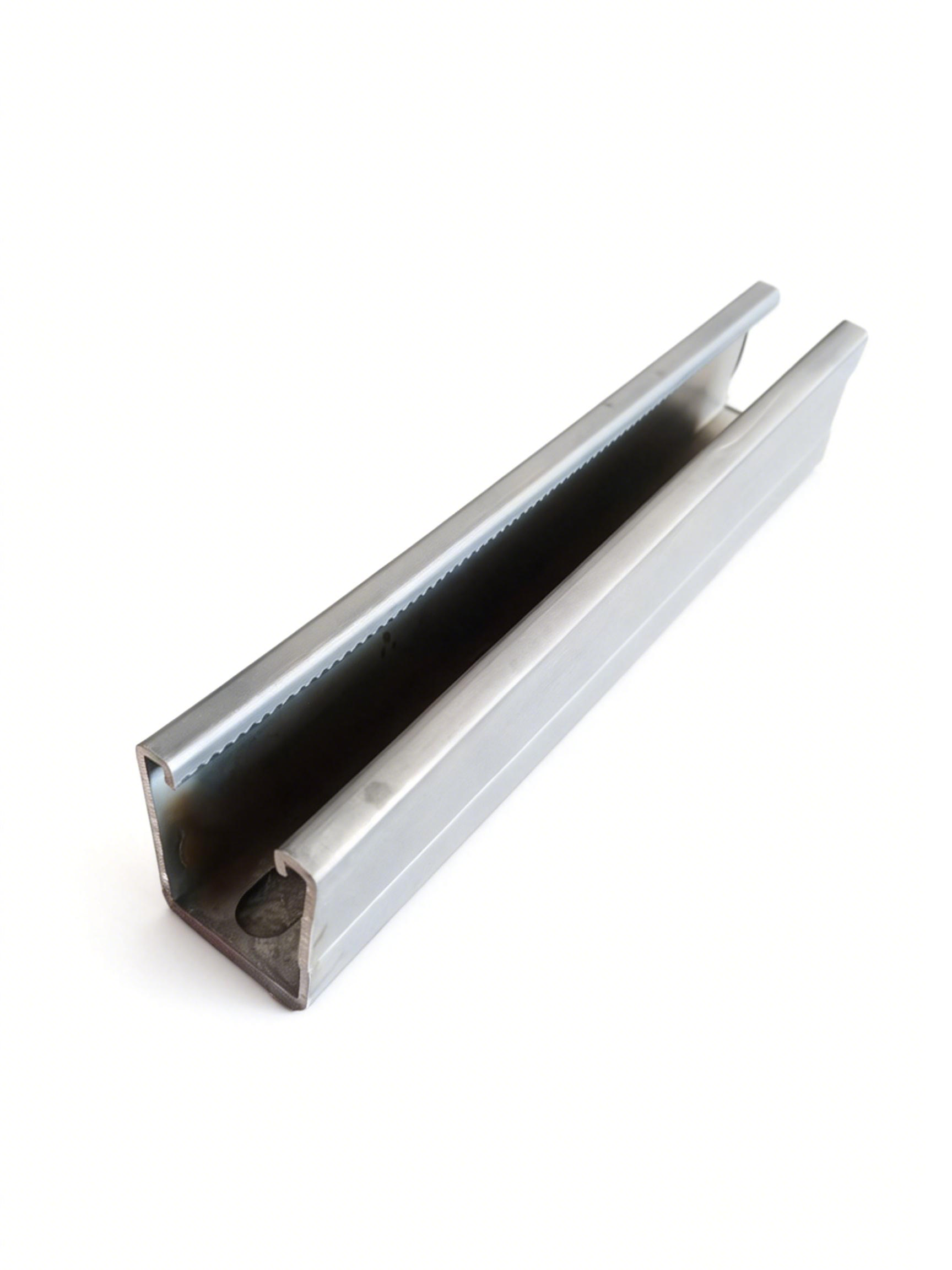
Q235B, a widely used carbon structural steel, brings significant cost advantages to China's solar manufacturing sector. Its relatively low price compared to higher-grade steels helps manufacturers reduce raw material expenses, which is crucial in an industry where cost-effectiveness is key for maintaining competitiveness. This affordability doesn't compromise functionality, as Q235B provides adequate strength for mounting structures and support frames in solar installations, allowing for scalable production without breaking the bank.
Beyond just being economical, Q235B offers excellent weldability and formability, making it a favorite among fabricators who need to produce custom components quickly. In solar farms across China, this steel is often shaped into durable racks that hold panels securely, even in harsh weather conditions. Its adaptability means manufacturers can tweak designs on the fly, fostering innovation in solar system layouts while keeping production timelines short and efficient.
Moreover, Q235B's widespread availability in China's domestic market ensures a stable supply chain, reducing reliance on imports and minimizing delays. This local sourcing not only supports the economy but also aligns with sustainability goals by cutting down transportation emissions. As China pushes forward in renewable energy, Q235B plays a silent yet vital role in keeping solar projects on track and accessible to a broader audience.
Key Production Processes for Q235B Solar Steel in Chinese Factories
In Chinese steel mills, producing Q235B grade steel for solar applications typically begins with carefully sourced raw materials. Factories often blend iron ore and scrap metal, then use electric arc furnaces or basic oxygen converters to melt the mix. This stage is crucial for controlling carbon content—keeping it around 0.22% to meet Q235B's moderate strength requirements. Workers monitor temperatures closely, as slight variations can affect the steel's final properties, ensuring it's tough enough for solar panel frames and mounting systems.
After melting, the steel goes through a continuous casting process to form slabs or billets. Many plants in China have adopted advanced casting machines that minimize defects like cracks or segregation. The hot-rolling stage follows, where the steel is heated and passed through rollers to achieve the desired thickness—often around 2-3mm for solar structures. What sets some factories apart is their focus on precision rolling; they adjust parameters in real-time based on quality sensors, resulting in smoother surfaces and tighter tolerances that reduce waste during solar installation.
Post-rolling, the steel undergoes surface treatment and cooling. Factories might use controlled cooling methods, such as accelerated air or water sprays, to enhance the microstructure for better durability. A key step is the application of anti-corrosion coatings, like zinc or paint, tailored for outdoor solar use in varied climates. Some innovative plants integrate automated inspection systems, using cameras and AI-driven analysis to spot imperfections early, ensuring each batch meets strict standards without slowing down production lines.
Quality Standards and Testing for Q235B Steel in Solar Projects
When it comes to solar projects, the strength and durability of structural components like frames and mounts are non-negotiable, which is why Q235B steel often takes center stage. This carbon steel isn't just any material—it's specified for its balanced blend of yield strength and weldability, making it a go-to for withstanding the rigors of outdoor exposure. In the solar industry, standards such as GB/T 700 or international equivalents like ASTM A36 ensure that Q235B meets minimum tensile and yield requirements, but it's the nuanced testing protocols that set high-quality projects apart. For instance, thickness tolerance and chemical composition checks are crucial, as even minor deviations can impact load-bearing capacity and corrosion resistance over time, directly affecting the longevity of solar installations.
Testing Q235B steel for solar applications goes beyond basic compliance; it involves a meticulous approach to guarantee performance under real-world conditions. Common tests include tensile testing to verify strength, bend tests to assess ductility during fabrication, and impact tests that simulate sudden stresses, such as those from wind or snow loads. Additionally, visual inspections and ultrasonic testing might be used to detect internal defects that could compromise structural integrity. What many overlook is the importance of surface quality testing—since solar structures are exposed to harsh weather, ensuring a smooth, defect-free surface can enhance corrosion protection when coatings are applied, a key factor in extending the life of these systems.
In practice, adopting rigorous quality standards for Q235B steel in solar projects isn't just about ticking boxes; it's about future-proofing investments. Projects that prioritize thorough testing, such as detailed chemical analysis to control carbon and manganese levels, often see reduced maintenance costs and fewer failures. This proactive stance helps differentiate high-performance solar installations from those that merely meet minimum specs, ultimately contributing to more reliable and sustainable energy solutions in the long run.
Cost-Effectiveness and Supply Chain Insights for Q235B in China
Q235B steel represents a cornerstone in China's construction and industrial sectors, largely due to its impressive balance between quality and affordability. Unlike some higher-grade alternatives, Q235B offers sufficient strength for a wide range of applications—from structural frameworks to machinery parts—without the hefty price tag associated with more specialized alloys. This cost-effectiveness stems from the material's relatively straightforward production process and the abundance of raw materials like iron ore in China, allowing manufacturers to scale production efficiently. As a result, Q235B has become a go-to choice for projects where budget constraints are paramount, yet reliability cannot be compromised, making it a smart pick for both small-scale developers and large industrial firms looking to optimize their spending without sacrificing performance.
Beyond its accessible pricing, Q235B's supply chain in China stands out for its robustness and adaptability, forged through decades of industrial growth. The supply network spans from northern hubs like Hebei and Liaoning, rich in steel production facilities, to southern regions where demand for construction materials remains consistently high. What sets this chain apart is its ability to respond swiftly to market fluctuations—whether driven by infrastructure booms or shifts in export policies. Local producers often maintain flexible inventory levels and leverage advanced logistics solutions, ensuring timely delivery even during peak demand periods. This agility not only minimizes downtime for end-users but also fosters a competitive environment where quality and service are continuously refined, giving buyers more options and better value over time.
However, navigating the Q235B market in China requires a keen eye for detail to fully capitalize on its advantages. While the steel is widely available, variations in supplier reliability and regional production standards can impact consistency, with some batches potentially showing slight differences in chemical composition or surface finish. Savvy buyers tend to build long-term partnerships with trusted manufacturers or distributors, often visiting production sites to verify processes firsthand. Additionally, staying informed about regulatory updates, such as environmental policies affecting steel output, helps in anticipating price shifts and supply disruptions. By blending cost-consciousness with strategic sourcing, businesses can harness Q235B's cost-effectiveness while mitigating risks, turning what might seem like a standard material into a tailored asset for sustainable growth.
Future Trends and Innovations in Q235B Solar Steel Usage
Emerging technologies are poised to reshape Q235B steel applications in solar infrastructure. Innovations like bifacial solar panels, which generate power from both sides, require robust mounting systems that can withstand increased loads and environmental stressors—areas where Q235B's strength and durability are being leveraged in novel designs. Additionally, the integration of smart tracking systems, which optimize panel angles for maximum sunlight capture, calls for steel components that combine flexibility with long-term reliability, driving research into enhanced coatings and fabrication techniques for Q235B to reduce wear and maintenance.
Sustainability trends are pushing Q235B steel toward greener production and recycling methods. As the solar industry emphasizes circular economies, efforts are underway to reduce the carbon footprint of Q235B manufacturing through energy-efficient processes and the use of recycled materials. This aligns with global goals for cleaner energy, making Q235B not just a structural choice but a symbol of eco-conscious construction, with potential for innovations like modular steel frameworks that can be easily disassembled and reused in new solar projects.
Future applications may see Q235B steel expanding into hybrid and floating solar systems. In hybrid setups, where solar panels are combined with agriculture or water management, Q235B's corrosion resistance is being tested in diverse environments, spurring advancements in alloy blends and protective treatments. For floating solar farms on reservoirs or oceans, the steel's ability to resist moisture and mechanical stress is critical, leading to developments in lightweight yet durable designs that can float efficiently while supporting large-scale solar arrays, opening up new markets beyond traditional land-based installations.
FAQ
Q235B solar steel is a low-carbon structural steel grade commonly used in solar panel mounting systems and related infrastructure in China. Its importance lies in its cost-effectiveness and adequate mechanical properties for supporting solar arrays, making it a preferred material for factories aiming to reduce production expenses while maintaining structural integrity in renewable energy projects.
The quality of Q235B solar steel directly impacts the durability and reliability of solar installations. High-quality Q235B ensures better resistance to environmental stresses like wind and corrosion, which is crucial for China's diverse climates, from humid coastal areas to arid inland regions, thus prolonging the lifespan of solar systems and minimizing maintenance costs.
Chinese factories should prioritize factors such as supplier reliability, compliance with national standards (e.g., GB/T 700), and material testing for properties like yield strength and elongation. Additionally, focusing on local suppliers can reduce logistics costs and lead times, while ensuring consistency in quality to meet the high demands of China's growing solar energy sector.
Factories can optimize by implementing precise cutting and fabrication techniques to minimize waste, and by designing modular mounting systems that leverage Q235B's flexibility. Regular training for workers on handling and welding this steel can also improve production speed and reduce errors, leading to faster project turnaround and cost savings in competitive markets.
Common challenges include variability in material quality from different suppliers, issues with corrosion resistance in harsh environments, and welding difficulties if improper techniques are used. To address these, factories often invest in quality control measures and adopt protective coatings or galvanization to enhance longevity and performance in diverse applications.
The use of Q235B solar steel supports China's sustainability goals by enabling the production of affordable and durable solar infrastructure, which boosts renewable energy adoption. By choosing locally sourced steel, factories reduce carbon emissions from transportation and contribute to circular economy efforts through recyclability, aligning with national initiatives like the 'Made in China 2025' plan for green manufacturing.
Conclusion
Q235B steel has become a cornerstone material in China's thriving solar manufacturing industry, prized for its excellent balance of strength, ductility, and affordability. This carbon steel is widely used in solar mounting systems, frames, and structural supports due to its reliable performance under various environmental conditions. In China, factories benefit from its ready availability and cost-effectiveness, which helps keep production expenses low while maintaining structural integrity. The material's weldability and formability make it ideal for mass production, aligning perfectly with the high-volume demands of the solar sector. By leveraging Q235B, manufacturers can efficiently scale operations and meet the growing global demand for renewable energy infrastructure.
Adherence to strict quality standards and rigorous testing protocols ensures that Q235B steel used in solar applications meets both domestic and international specifications, enhancing project reliability and longevity. As the industry evolves, innovations in coating technologies and alloy adjustments are paving the way for improved corrosion resistance and durability, particularly in harsh climates. Future trends indicate a shift towards more sustainable production methods and optimized supply chains, further solidifying Q235B's role in China's solar expansion. By integrating these advancements, factories can not only boost efficiency but also contribute to more resilient and eco-friendly solar energy solutions, positioning China as a leader in the global renewable energy market.
Contact Us
Contact Person: Simon
Email: [email protected]
Tel/WhatsApp: 8613672181100
Website: https://energetsolar.com/