

RFID Jewelry Factory: Revolutionizing Inventory and Production Efficiency
2026-05-18
In the fast-paced world of jewelry manufacturing, keeping track of countless tiny components and high-value pieces is a constant headache. But what if your factory could pinpoint every item in seconds, slash human errors, and accelerate production without breaking a sweat? That’s exactly the promise of RFID technology, and OSRFID is leading this quiet revolution. In this blog, we’ll dive into how RFID is transforming jewelry factories—from raw materials to finished masterpieces—turning operational chaos into seamless efficiency.
The Tiny Tag Transforming Jewelry Production
In the meticulous world of jewelry crafting, a minuscule innovation is making outsized waves. It’s no bigger than a grain of rice, yet this tiny tag is quietly rewriting the rules of production—from the mine to the display case.
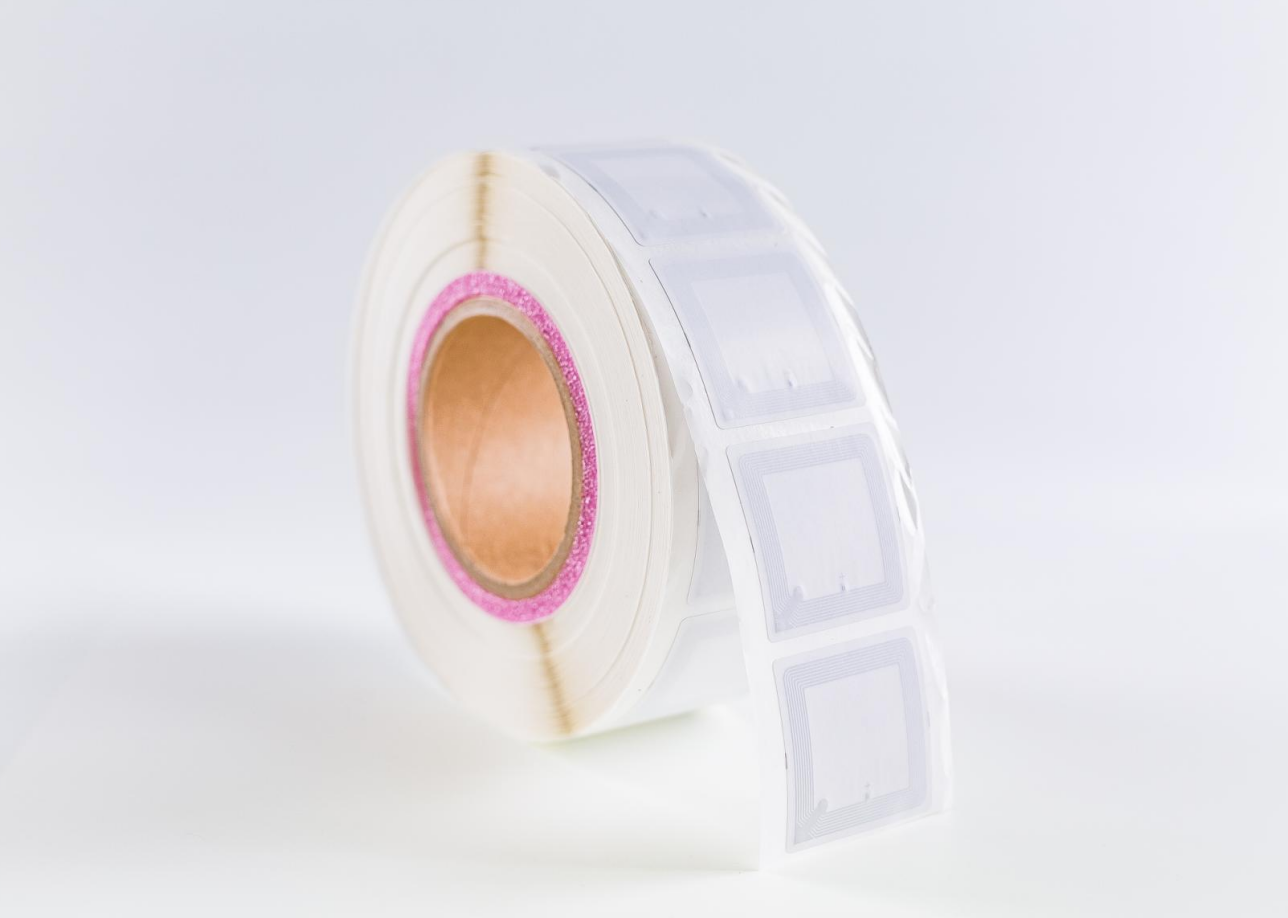
Embedded discreetly on a clasp or hidden within a setting, the tag carries a digital fingerprint. As each piece moves through casting, polishing, and setting, scanners log every step. Workers no longer rely on loose paperwork; a quick scan reveals the exact alloy, the artisan’s name, and even the stone’s provenance.
Beyond traceability, these tags help jewelers cut waste and speed up inventory. When a design needs reordering, the system pulls up the precise specs instantly. It’s a blend of old-world artistry and new-age precision—one tiny tag at a time.
Real-Time Visibility Across Every Stage
Imagine never being caught off guard by a delayed shipment or a production bottleneck again. With real‑time visibility woven into every stage of your operation, you move from reacting to anticipating. Instead of cobbling together reports from yesterday’s data, you watch your entire flow—from raw materials to final delivery—unfold in the moment, so you can spot snags before they spiral.
It’s not just about dashboards filled with blinking dots. This is live, actionable insight that travels with each SKU, container, or job order. When a truck idles too long at a warehouse or a machine’s rhythm shifts, your team is alerted immediately, armed with context. That means you can reroute, reschedule, or reassure a customer while the event is still fresh, not hours later.
The real difference is how this transparency tightens the bond between planning and execution. You stop running two separate worlds—one of ideal spreadsheets and another of messy reality. By threading real‑time signals into planning engines, you get plans that breathe, adjusting to the day’s actual velocity and constraints. Everyone, from a floor manager to a strategic buyer, shares the same current picture, which quiets the noise and lets good decisions happen faster.
Goodbye Stockouts and Overstock Headaches
Running out of a bestseller right when demand peaks feels like leaving money on the table—and watching customers walk away. It’s not just a missed sale; it’s a subtle erosion of trust that’s hard to rebuild. Meanwhile, overstock turns your storage into a costly warehouse of regrets, tying up cash in products that quietly age into markdowns. The real snag isn’t simply guessing wrong—it’s relying on gut feelings and static spreadsheets when demand patterns shift by the hour. Until you see inventory as a flowing, adaptive system rather than a static number, you’ll keep swinging between the two extremes.
The key is letting data do the heavy lifting without overcomplicating things. By connecting the dots between actual sales velocity, lead times, and subtle seasonal nudges, you can build a buffer that breathes with reality. Not a rigid safety stock formula copied from a textbook, but a dynamic cushion that flexes with real-time signals—like a sudden social media shout-out or a supplier’s quiet delay. When your reordering rhythm matches the market’s pulse, stockouts become rare exceptions, and overstock stops lurking around every corner.
What often gets overlooked is the human layer beneath the numbers. Regular, no-blame check-ins with your suppliers and sales team reveal weak signals that no dashboard will flag—like a packaging change that might slow deliveries or a local event sparking unexpected demand. Pair those insights with a habit of reviewing inventory exceptions each week, and you’ll spot trouble before it balloons. It’s not about chasing perfection; it’s about shrinking the gap between what you think you’ll sell and what actually leaves the shelf. That’s when stockouts and overstock headaches finally fade into background noise.
Precision Tracking for High-Value Pieces
When you're dealing with items that carry significant worth—whether it's a custom engagement ring, a limited-run watch, or a piece of fine art—you need more than just a vague idea of where they are. Real precision tracking means knowing not just the city or the facility, but the exact shelf, the specific vault, or the individual courier handling the piece at any given moment. It's about building a chain of custody that leaves no gaps, so that if a question ever arises, you can replay the journey step by step, down to the minute.
The difference shows up in the quiet details. Instead of batch scanning at a warehouse door, we use discreet, embedded sensors that ping location without interrupting the piece's presentation or packaging. These aren't clunky add-ons; they're integrated from the start, often disguised as part of the casing or mount. When a piece moves through a high-security corridor or changes hands at a private viewing, the system logs the shift automatically. No one has to remember to scan a barcode, and no one has to interrupt a client meeting to confirm arrival. It's tracking that respects the item's dignity while delivering absolute accountability.
From Bench to Box: Streamlined Workflows
Every experiment begins somewhere between curiosity and a cluttered lab bench. The journey from raw data to actionable insight often gets bogged down by fragmented manual steps, inconsistent file naming, and repetitive data wrangling. Streamlined workflows bridge this gap, turning chaotic bench processes into a coherent sequence that reliably feeds into downstream analysis—no heroic scripting required, just smart automation that respects the nuances of research.
What does an effective workflow look like? It starts by capturing metadata at the point of generation, not as an afterthought. Instrument outputs are parsed, standardized, and enriched with context, slashing the time between data acquisition and first interpretation. Templates and modular pipeline blocks let researchers reconfigure analyses on the fly without touching raw code, while version control ensures that no promising lead is lost to an overwritten file. The goal isn't to enforce rigid protocols, but to remove friction—so scientists spend less time fighting toolchain quirks and more time asking the right questions.
When workflows truly click, the deliverable—be it a report, a visualization, or a predictive model—materializes almost as a byproduct of doing good science. Collaboration thrives because every team member inherits a transparent, reproducible trail from original sample to final figure. Adoption does not demand a complete lab overhaul; small, intentional automations accumulate, steadily lifting the heavy cognitive load that bench-to-box data handling imposes. In this light, workflow streamlining is less about technology imposition and more about returning focus to where it belongs: the science that drives discovery.
Data That Drives Smarter Jewelry Making
Every curve, every facet, every delicate setting tells a story—but behind that story is a quiet stream of information that modern jewelers are learning to harness. The craft has always demanded precision, yet today it's not just about the steady hand or the trained eye. It's about understanding how materials behave under stress, how design tweaks shift production time, and how subtle changes in alloy composition affect the final gleam. When a workshop starts capturing these details—from the exact temperature at which a solder flows to the minute measurement of a stone's pavilion angle—they move from guessing to knowing. This isn't about replacing instinct; it's about feeding it something richer.
Small studios and larger ateliers alike are finding that when they track their outcomes and missteps in a consistent way, patterns surface that were invisible before. A scrap rate that ticks upward with a certain supplier's gold, a recurring micro-fracture in a specific ring size—these aren't just problems, they're prompts. They point toward adjustments that save hours of bench time and ounces of precious metal. The beauty of this approach lies in its modesty: a few well-chosen notes on each piece’s journey can, over months, become a map of smarter decisions. It turns the bench jeweler into a detective of their own process, solving mysteries they didn’t know existed.
The result isn't just efficiency; it's a deeper connection to the work. When you rely on the story your own data tells, you stop chasing trends or second-guessing your intuition. You see, for instance, that designs with a certain gallery height consistently earn more compliments from clients, or that a slight thickening of a prong reduces repair requests without altering the silhouette. These insights aren't handed down from some distant authority—they're earned through the quiet accumulation of real-world making. In the end, the jewelry comes out not just more consistent, but more alive, because it's shaped by a feedback loop that respects both art and evidence.
FAQ
It's a production facility that uses radio frequency identification to automatically track every piece of jewelry—from raw materials to finished products—without manual scanning, giving each item a unique digital identity.
Instead of counting items one by one, staff can scan entire trays or shelves in seconds with a handheld reader, updating stock levels in real time and virtually eliminating human error.
Tags on work-in-progress items let managers see exactly where each order stands—whether it's being cast, set, or polished—so bottlenecks become visible immediately and adjustments can be made on the fly.
Some report cutting inventory counting from days to hours, reducing misplaced items by over 90%, and speeding up order fulfillment by a significant margin—all while needing fewer staff for routine checks.
Jewelry is small, often stacked, and barcodes require a direct line of sight. RFID reads through packaging and multiple pieces at once, which is far more practical in a fast-paced workshop or vault.
The main issues are interference from metal surfaces, finding tags tiny enough for delicate pieces, and integrating the data with existing systems—but tailored antenna designs and specialized tags are addressing these.
Because each tag carries a unique, unalterable identifier, a ring or necklace can be traced from the casting bench to the customer's hand, giving both brands and buyers confidence in its origin and authenticity.
Conclusion
In the intricate world of jewelry manufacturing, where every component holds significant value, RFID technology has emerged as a silent workhorse. It all begins with a deceptively simple element: a tiny tag affixed to a ring, a loose gemstone, or even the work tray carrying a batch of earrings. This tag becomes the digital identity of the piece, transmitting its status as it moves from casting and stone setting to polishing and quality control. The result is real-time visibility that eliminates guesswork. Floor managers can instantly locate any item, see which bench is overloaded, and spot bottlenecks—all without disturbing the artisans. Gone are the days of frantic searches for a high-value necklace or a critical mould; precision tracking ensures nothing is ever truly lost.
Beyond tracking, the data layer weaves a smarter production fabric. Inventory counts update automatically, erasing the twin headaches of stockouts and overstock. Planners no longer rely on scattered spreadsheets; instead, they see live material usage and can reorder findings or alloys at exactly the right moment. The streamlined workflow, from bench to box, means that every piece’s journey is recorded and optimized. More importantly, the collected data feeds back into the creative process. Designers and production leads analyze which styles move faster, which techniques cause delays, and where quality issues surface. This continuous feedback loop drives smarter decisions—not just about what to make next, but how to make it better. In such a factory, efficiency and artistry coexist, powered by a technology that stays mostly out of sight, yet changes everything.
Contact Us
Contact Person: Esme Mo
Email: [email protected]
Tel/WhatsApp: 0086 191 2931 7837
Website: https://www.osrfidglobal.com/