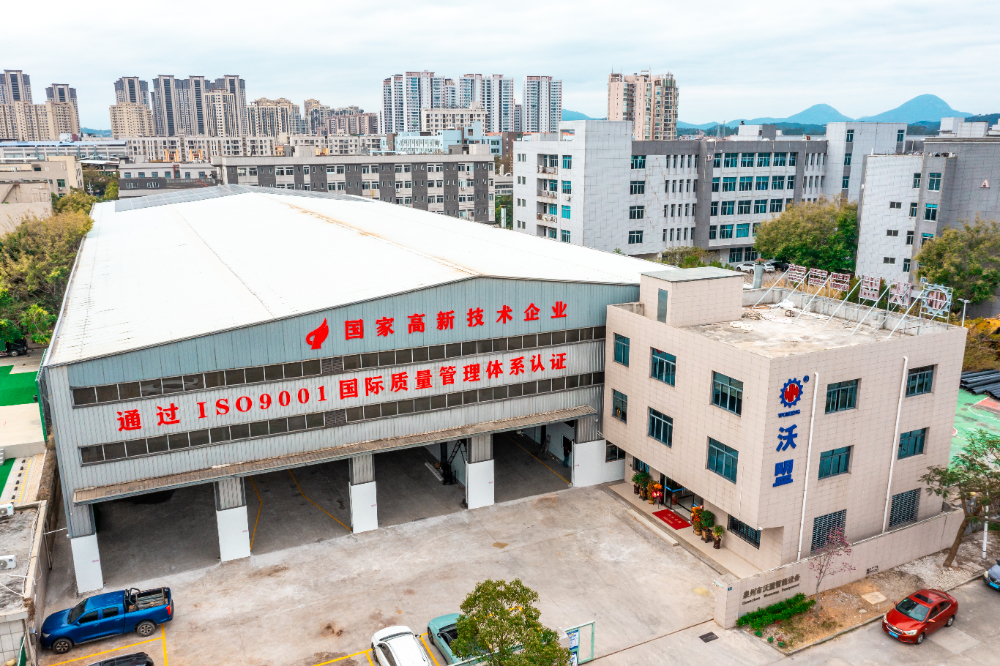

Sanitary Pad Machinery Manufacturers: Driving Innovation in Feminine Hygiene Production
2026-05-06
The feminine hygiene industry is undergoing a quiet revolution, and at its core are the machines that turn raw materials into trusted sanitary pads. As demand for comfort, safety, and sustainability soars, sanitary pad machinery manufacturers are redefining what's possible on the production line. Among the pioneers, Womeng stands out—not just for engineering precision, but for a visionary approach that turns everyday essentials into high-performance products. What really happens behind sterile factory doors? And how are next-gen machines shaping the future of menstrual care? Let's unpack the innovation driving this essential market.
Automation's Role in Streamlining Sanitary Pad Manufacturing
Bringing automation into sanitary pad production lines removes many of the slow, repetitive tasks that used to rely on manual labor. From raw material feeding to final packaging, machines now handle steps like core formation, adhesive application, and precise cutting at speeds that human hands simply cannot match. This shift not only shortens production cycles but also frees up workers to focus on oversight and maintenance, reducing physical strain and the risk of errors caused by fatigue.
One clear advantage shows up in the consistency of each pad. Automated systems use sensors and programmable controls to maintain exact dimensions, uniform absorbency layers, and accurate placement of wings or wrappers. Rather than dealing with batch variations that come from manual assembly, manufacturers get every unit matching the same specifications. The equipment can also adjust on the fly when raw material properties change slightly, which helps cut down on wasted materials and off-spec products that would otherwise need to be scrapped.
Beyond the production floor, automation ties into real-time data collection that managers use to spot bottlenecks or predict machine maintenance needs. Instead of relying on guesswork, they can see exactly where slowdowns happen and tweak settings remotely. This level of control supports higher output without adding extra shifts, and it keeps hygiene standards tight since there’s less human contact with the product. In an industry where both volume and cleanliness are critical, that combination makes a practical difference.
Advanced Materials: The Foundation of Modern Feminine Hygiene Products
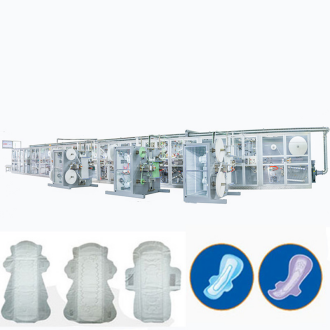
Today’s feminine care items bear little resemblance to the bulky, uncomfortable options of the past, and that shift owes everything to breakthroughs in material science. At the heart of this evolution are superabsorbent polymers—originally developed for medical uses—that can lock away moisture far more efficiently than simple cotton or wood pulp. These polymers transform liquid into a gel within seconds, keeping the surface dry and drastically reducing the risk of leaks. Beyond absorption, the outer layers now often incorporate breathable yet waterproof films made of microporous polyethylene or polypropylene. These fabrics allow air to circulate while preventing moisture from escaping, so comfort and discretion go hand in hand without the clammy feel of older plastic backings.
Softness and skin compatibility have become just as crucial as performance. Manufacturers blend synthetics with plant-based fibers like organic cotton, bamboo viscose, or lyocell to create topsheets that feel gentle against sensitive areas while offering improved fluid distribution. Advanced bonding techniques, such as thermal calendaring or ultrasonic welding, eliminate the need for adhesives that could cause irritation. Some brands are even experimenting with chitosan or alginate fibers that have natural antibacterial properties, moving beyond simple coverage to active wellness support. The result is a product that doesn’t just manage a monthly cycle but actively helps maintain the delicate balance of the body’s ecosystem.
Looking ahead, the next wave of innovation lies in responsive and sustainable materials. Researchers are testing shape-memory foams that adjust to individual body contours for a virtually custom fit every time. Bio-based polymers derived from cornstarch or cellulose are starting to replace petroleum-based components, shrinking the environmental footprint without compromising on the high performance that people rely on. Even smart layers that change color to indicate when it’s time to change a pad are in prototype stages, hinting at a future where intimate care becomes more intuitive than ever. These advances remind us that behind every reliable, comfortable product is a story of fibers and films engineered to meet the real demands of daily life.
Eco-Friendly Production: Meeting the Demand for Sustainable Options
More shoppers are asking tough questions before they buy. They want to know where materials come from, how factories treat their workers, and what happens to products at the end of their life. This isn't a passing fad—it's a deep-seated shift in consumer values. Brands that dismiss these concerns risk being left behind, while those that embrace transparent, earth-friendly manufacturing are building lasting loyalty. Eco-friendly production isn't just about swapping one material for another; it's about rethinking entire supply chains to reduce waste, conserve water, and lower emissions at every step.
Meeting this demand requires more than surface-level changes. It means investing in renewable energy for factories, sourcing raw materials from regenerative farms, and designing products that can be easily repaired or recycled. Some companies are partnering with local artisans to keep traditional crafts alive while shrinking the carbon footprint of transportation. Others are pioneering closed-loop systems where nothing ends up in a landfill. The common thread is a commitment to doing better—not for marketing angles, but because it's the right way to operate in a world with finite resources and rising temperatures.
The payoff goes well beyond environmental benefits. Businesses that get serious about sustainability often find they cut costs through efficiency gains and avoid the reputational damage that comes with supply-chain scandals. Employees become more engaged when they see their workplace aligning with their values. And customers, especially younger generations, reward authenticity with both their wallets and their word-of-mouth. In the end, eco-friendly production isn't a constraint—it's a chance to redesign business for the better while giving people the responsible choices they're actively seeking.
Custom Machinery Solutions for Specialized Product Lines
Every specialized product line carries its own set of demands—tolerances, speeds, materials, or workflows that standard equipment simply can't handle. We design custom machinery from the ground up, rooting each decision in the actual production environment. The result is a cohesive system where every component works in concert, eliminating bottlenecks and reducing the need for manual intervention.
Collaboration drives the process. Our engineers embed with your team to understand the nuances of your operation, translating them into mechanical and control systems that perform reliably under real-world conditions. From initial sketches to final commissioning, the focus stays on delivering a solution that evolves with your product line, not one that constrains it.
Quality Control Systems That Ensure Product Safety and Comfort
Every material and component that goes into our products passes through a rigorous vetting process before it ever reaches the production floor. We conduct thorough inspections on incoming raw materials, checking for consistency, durability, and compliance with international safety standards. Any batch that doesn't meet our precise specifications is immediately rejected. This upfront scrutiny sets the foundation for a safe, comfortable end product.
Our production lines are equipped with real-time monitoring sensors that track everything from tension and temperature to stitching precision. Skilled technicians perform spot checks at key stages, while automated systems flag even the slightest anomaly. Finished items then undergo a battery of stress tests that simulate years of everyday use—repeated stretching, pressure, and friction—to confirm they hold up without compromising comfort. Only when a product passes every checkpoint does it earn approval for packaging and shipment.
Emerging Technologies Transforming the Industry's Future
A few years ago, a factory manager in Ohio started using small sensors on his assembly line. They weren’t much to look at, but these cheap devices began feeding real-time data to a machine learning model that predicted equipment failures before they happened. Downtime dropped by 30%, and suddenly other plants in the region wanted the same setup. This quiet shift toward embedded intelligence is spreading across sectors, turning ordinary machinery into self-monitoring systems that learn and adapt.
Meanwhile, logistics companies are experimenting with shared digital ledgers to track shipments across continents. Instead of emailing spreadsheets and hoping the data matches, everyone from the manufacturer to the final distributor can now see the same version of events. It cuts paperwork, reduces disputes, and speeds up the whole chain. These may sound like small tweaks, but when you stack them across global trade, the impact is massive.
Beyond the shop floor, new materials and battery chemistries are quietly reshaping what’s possible in energy storage. Researchers have been tackling the same challenge for decades—how to store more power in less space without risking fires. Recent breakthroughs aren’t flashy headlines; they’re lab results that finally translate into scalable manufacturing. If these hold, the next generation of devices and vehicles won’t just be smarter, they’ll run longer and safer, changing expectations about what technology can do in remote or demanding environments.
FAQ
They design and produce the specialized equipment that transforms raw materials into finished sanitary pads, directly influencing production speed, product quality, and cost efficiency.
By integrating smart sensors, real-time monitoring, and flexible module designs that allow quick product changeovers, they enable producers to respond rapidly to market trends and diverse consumer needs.
Ultrasonic bonding, servo-driven cutting systems, vision inspection for defect detection, and IoT connectivity for predictive maintenance are now standard in advanced lines.
Automation reduces human error, increases throughput, ensures consistent layering of materials, and cuts long-term labor costs while maintaining strict hygiene standards.
Machines feature automatic rejection systems for misshapen or contaminated pads, thickness gauges, and weight checkers that operate at full production speed without manual sampling.
They engineer lines that process bio-based and biodegradable materials, minimize off-cut waste through precision cutting, and reduce energy consumption with efficient drives and heat recovery systems.
Manufacturers offer adjustable folding styles, varied pad lengths and thicknesses, and the ability to handle different absorbent core types—like fluff pulp or airlaid paper—to match regional preferences.
Conclusion
Sanitary pad machinery manufacturers are redefining feminine hygiene production by weaving together automation, material innovation, and rigorous quality control. Advanced servo-driven systems now orchestrate every stage—from core forming to packaging—with minimal human intervention, slashing cycle times while maintaining microscopic precision. These high-speed lines handle a new generation of materials: ultra-thin absorbent gels, cotton-soft topsheets, and breathable back layers that are bonded without compromising on comfort or leak protection. Inline vision sensors and weight-check modules scrutinize each pad in real time, instantly discarding any that deviate from strict standards, ensuring every product reaching the market is both safe and comfortable. This integration of smart automation and quality assurance has transformed what was once a labor-intensive process into a seamless dance of efficiency and reliability.
Simultaneously, the push toward sustainability is reshaping the machinery landscape. Custom-built equipment now processes plant-based fibers, biodegradable films, and recycled materials, enabling brands to offer eco-friendly pads without sacrificing performance. Modular machine designs allow swift changeovers between product variants, from ultra-thin panty liners to overnight maxi pads, giving manufacturers the agility to cater to niche markets. Meanwhile, emerging technologies are charting the future: IoT-connected production lines provide predictive maintenance alerts, AI algorithms optimize material usage, and 3D prototyping accelerates R&D. By embracing these shifts, sanitary pad machinery builders are not merely keeping pace with consumer demands—they are actively driving the industry forward, blending practicality with forward-looking innovation to deliver products that are better for people and the planet.
Contact Us
Contact Person: Jessie Lai
Email: [email protected]
Tel/WhatsApp: 86-188594442931
Website: https://www.wm-machinery.com