

Segment LCD Display in China: Innovations and Market Trends
2026-03-30
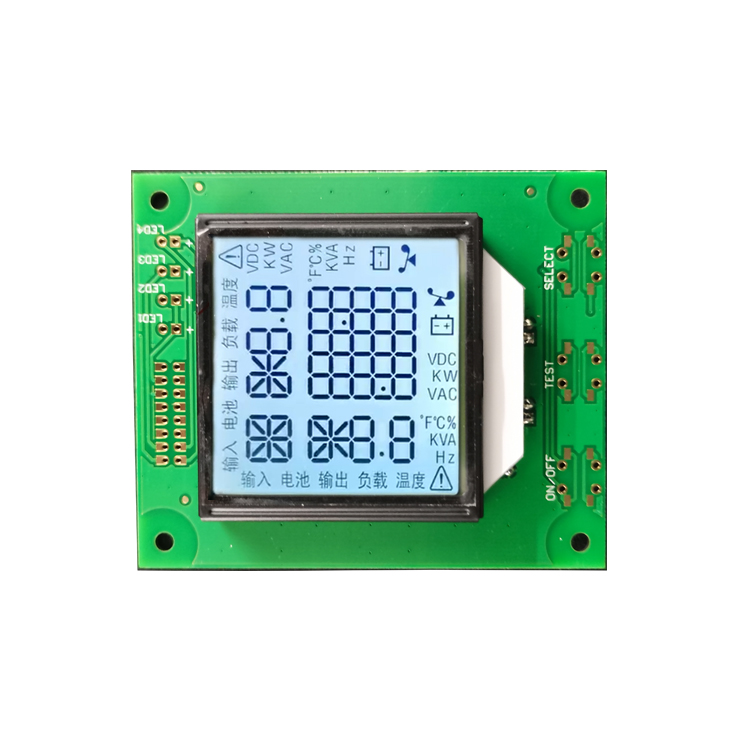
Step into the world of segment LCD displays in China, where innovation meets market dynamism. As the global demand for reliable, cost-effective display solutions grows, China's segment LCD industry emerges as a pivotal player, driving advancements in everything from automotive dashboards to smart home devices. In this blog, we'll explore the latest trends, technological breakthroughs, and market shifts shaping this vibrant sector. A standout among the leaders is Jingda-Display, known for its precision and cutting-edge designs. Join us as we delve into how these innovations are redefining industries and setting new standards, sparking curiosity for what lies ahead in this fast-evolving landscape.
Pioneering Technological Advances in China's LCD Display Sector
China's LCD display industry has evolved from merely adopting foreign technologies to spearheading groundbreaking innovations, reshaping global production dynamics. In recent years, companies like BOE and TCL CSOT have moved beyond simply scaling up manufacturing to developing advanced technologies in areas such as flexible OLED displays and ultra-high-definition panels. For instance, BOE's breakthroughs in Gen 10.5 fabs have enabled the mass production of large-screen TVs with superior clarity, while TCL CSOT has focused on mini-LED backlighting, creating displays that offer enhanced contrast and energy efficiency. This shift has not only boosted domestic market competitiveness but also positioned Chinese firms as key players in global supply chains, challenging traditional leaders from South Korea and Japan.
Driving this progress is a concerted effort in research and development, backed by substantial government support and strategic investments. National initiatives, such as the "Made in China 2025" plan, have funneled resources into display technologies, fostering collaborations between academia and industry that accelerate innovation. As a result, Chinese manufacturers are pushing the envelope with technologies like quantum dot displays and foldable screens, which cater to emerging applications in smartphones, automotive interfaces, and smart appliances. These advancements demonstrate a clear move from imitation to origination, with China now setting trends in display quality and functionality that influence international standards.
Looking ahead, China's LCD sector is poised to continue its trajectory of innovation by integrating AI and IoT capabilities into displays, making them smarter and more interactive. By focusing on sustainability and cutting-edge applications, the industry aims to maintain its dynamic growth while addressing global challenges like energy consumption. This forward-thinking approach ensures that China remains at the forefront of display technology, continually redefining what's possible in visual communication.
Strategic Shifts Driving Market Growth and Global Competition
In today's fast-paced economic landscape, strategic shifts are no longer optional but essential drivers propelling market growth and shaping global competition. Companies that adapt by embracing digital transformation, sustainability initiatives, and agile business models often leapfrog their competitors. For instance, the rise of e-commerce platforms has revolutionized retail markets, enabling businesses to reach global audiences with unprecedented ease. This shift not only fuels market expansion but also intensifies competition, as firms must innovate continuously to maintain relevance. By rethinking traditional approaches and investing in emerging technologies, organizations can unlock new revenue streams and capture market share in an increasingly interconnected world.
Another critical aspect is the strategic pivot towards customer-centricity and data-driven decision-making. Brands that leverage big data to personalize experiences or streamline operations often outperform those relying on outdated methods. This evolution is reshaping industries, from healthcare to finance, where tailored solutions and efficient processes become key competitive advantages. It fosters a dynamic environment where growth is fueled by responsiveness to consumer demands and operational excellence, pushing companies to rethink their strategies on a global scale.
Moreover, geopolitical and regulatory changes are prompting strategic realignments that influence market dynamics and competition. For example, shifts in trade policies or environmental standards can create opportunities for nimble enterprises to enter new markets or adapt products, while others struggle to keep up. This underscores how strategic agility allows firms to navigate uncertainties and capitalize on emerging trends, driving both local and international growth amidst fierce rivalry.
Innovations in Energy-Efficient Designs and Manufacturing Processes
Recent strides in energy-efficient designs are revolutionizing industries by merging advanced materials and digital tools. For instance, generative algorithms now create lightweight structures that cut energy use without compromising strength, while smart sensors in buildings adjust lighting and heating in real-time to slash waste. These approaches not only lower costs but also boost sustainability, appealing to both eco-conscious consumers and forward-thinking companies.
In manufacturing, innovations like additive printing and closed-loop systems are slashing energy footprints. By printing parts layer by layer, factories reduce material waste and energy compared to traditional methods. Meanwhile, recycling heat and materials on-site minimizes reliance on external resources, making processes cleaner and more efficient. This shift is transforming production lines into greener, more resilient operations.
Emerging trends include using AI to predict and optimize energy flows, and integrating recycled materials into designs for circular economies. These methods not only enhance efficiency but also foster a competitive edge in a market increasingly valuing green credentials. By embracing such innovations, businesses can drive progress toward a sustainable future while staying ahead of the curve.
Emerging Applications and Trends in Consumer Electronics
The consumer electronics landscape is rapidly transforming, driven by innovations that merge digital and physical experiences. Augmented reality (AR) glasses are gaining traction, moving beyond gaming to offer practical applications like remote assistance in fields such as engineering and healthcare. These devices overlay real-time data onto the user's surroundings, enhancing productivity and enabling immersive training. Meanwhile, smart home ecosystems are evolving to incorporate more intuitive voice controls and predictive automation, learning user habits to optimize energy usage and security without manual input. This shift reflects a growing demand for seamless integration and personalization in everyday tech.
Another notable trend is the rise of wearable health tech that goes beyond basic fitness tracking. Devices now monitor vital signs like blood oxygen levels and ECG readings, providing users with actionable insights for preventive care. This trend is bolstered by advancements in battery life and sensor accuracy, making continuous health monitoring more accessible. Additionally, sustainability is becoming a key focus, with manufacturers designing products that use recycled materials and offer modular components for easy repair or upgrades. This approach not only reduces e-waste but also appeals to eco-conscious consumers who prioritize longevity over disposability.
In entertainment, immersive audio and video technologies are pushing boundaries, with spatial audio systems creating 3D soundscapes that adapt to room acoustics. Combined with ultra-high-definition displays and AI-driven content recommendation, these innovations deliver more tailored and engaging experiences. The convergence of 5G connectivity and edge computing is also accelerating real-time applications, such as cloud gaming and live-streamed events, making high-performance tech more mobile and responsive. These trends highlight a broader move toward interconnected, adaptive devices that enhance both utility and enjoyment in consumer life.
Challenges and Opportunities in Supply Chain and Regulation
Navigating the modern supply chain landscape feels like walking through a maze where the walls keep shifting. Companies face constant pressure from global disruptions—a pandemic here, a geopolitical flare-up there—that expose vulnerabilities in logistics and sourcing. At the same time, regulations are tightening, demanding greater transparency in everything from labor practices to carbon footprints. This double whammy makes compliance feel like a game of catch-up, especially for smaller players who lack the resources to keep pace. Yet, within these hurdles lies a chance to rethink how we move goods and manage data, pushing businesses to innovate or risk falling behind.
Opportunities are sprouting in unexpected places, driven by these very challenges. For instance, stricter environmental rules are forcing companies to adopt greener supply chains, which can cut costs and attract eco-conscious consumers. Similarly, digital tools like blockchain and AI offer new ways to track products from factory to shelf, turning regulatory demands into competitive advantages. By embracing these technologies, firms can not only meet compliance standards but also build trust with customers and partners. It’s a shift from seeing regulation as a burden to viewing it as a catalyst for smarter, more resilient operations.
What really sets leaders apart isn’t just surviving the storm—it’s riding the waves. Imagine a business that uses real-time data to predict regulatory changes before they hit, or one that partners with suppliers to co-create sustainable practices. These proactive approaches turn constraints into opportunities for growth. As supply chains evolve, the blend of challenges and opportunities will only deepen, making agility and foresight the ultimate assets. In this dynamic environment, success hinges on balancing compliance with creativity, forging paths that others might overlook.
Future Outlook and Sustainable Practices in the Industry
The future of the industry is poised for transformative change, driven by a growing emphasis on sustainable practices that redefine operational standards. Innovations in materials and processes are emerging, aiming to reduce environmental footprints while enhancing efficiency. Companies are increasingly integrating circular economy principles, where waste is minimized through recycling and reuse, ensuring resources are kept in circulation longer. This shift not only addresses regulatory pressures but also meets consumer demand for eco-conscious products, creating a competitive edge for those who adopt early.
Looking ahead, digital technologies like AI and IoT are set to revolutionize how sustainability is monitored and implemented. Real-time data analytics enable precise tracking of energy use, emissions, and supply chain impacts, allowing for proactive adjustments. This tech-driven approach facilitates smarter resource management, reducing costs and boosting resilience against climate-related disruptions. As industries navigate global challenges, such as climate change and resource scarcity, these tools become essential for long-term viability, pushing boundaries beyond traditional methods.
Ultimately, sustainable practices are evolving from optional initiatives to core business strategies, shaping industry futures. Collaborative efforts across sectors foster innovation, with public-private partnerships driving research into green alternatives. By prioritizing ethical sourcing and community engagement, companies build trust and legacy, ensuring growth aligns with planetary health. This holistic view promises not just survival, but a thriving, responsible industry that leaves a positive imprint for generations to come.
FAQ
Chinese manufacturers are pioneering thinner, energy-saving designs with enhanced contrast and customized touch features, often integrating IoT for smart applications.
Demand has surged in automotive dashboards, medical devices, and industrial controls, driven by local tech upgrades and global supply chain shifts.
Key hurdles include managing rising material costs, meeting stringent export standards, and innovating amid rapid digital transformation pressures.
Guangdong and Jiangsu provinces are hubs due to their strong electronics ecosystems, skilled labor, and government-backed innovation incentives.
Producers are adopting eco-friendly materials, reducing power consumption, and recycling components to align with green manufacturing initiatives.
Expect advancements in flexible displays, AI integration for adaptive interfaces, and expanded use in consumer electronics like wearables.
Conclusion
China's segment LCD display sector has showcased remarkable technological advances in recent years, driven by innovations in energy-efficient designs and manufacturing processes. These developments have enabled the industry to enhance display quality while reducing environmental impact, making Chinese manufacturers more competitive globally. The strategic shifts adopted by key players emphasize rapid adaptation to market demands, focusing on both domestic growth and international expansion. Emerging applications in consumer electronics, such as smart home devices and wearable technology, are creating new opportunities for segment LCD displays, highlighting their versatility beyond traditional uses. This technological evolution is supported by ongoing investments in research and development, positioning China as a leader in this niche market.
However, the industry faces challenges related to supply chain disruptions and regulatory hurdles, which require agile responses to maintain momentum. Opportunities lie in optimizing logistics and complying with global standards to ensure sustainable practices. Looking ahead, the future outlook for China's segment LCD display market appears promising, with trends pointing toward increased integration of sustainable materials and circular economy principles. Innovations continue to shape consumer preferences, fostering a dynamic environment where advancements in display technology meet evolving market needs. By balancing growth with responsibility, the industry is poised to set benchmarks for innovation and efficiency on a global scale.
Contact Us
Contact Person: Vincent
Email: [email protected]
Tel/WhatsApp: 86 135 5485 1379
Website: https://www.jda-display.com/