

Tissue Packaging Machine Supplier Selection Made Simple for Growing Brands
2026-11-16
Growing brands often treat tissue packaging machine sourcing as a quick check-box task, but the wrong supplier quietly eats into output, consistency, and future expansion. The selection process becomes especially confusing when every vendor claims the same efficiency and reliability. DAXIN takes a different approach by making the key decision points practical and easy to compare. Before you lock in a supplier, here is what actually separates a smooth production line from a costly bottleneck.
Match the Machine to the Pack, Not the Catalog
Plenty of buying decisions start with a spec sheet, but a pack with a finicky laminate or an off-center zipper rarely respects those printed numbers. Bring your actual film, your worst gusset, and the reject samples that keep showing up at the end of the line. Let those define the machine requirements instead of forcing a catalog model onto a product it was never really designed to handle.
Small differences in film stiffness, slip, and sealant layer weight change how the web tracks, how much dwell time is needed, and whether the jaws can hold tension without stretching or wrinkling the material. A machine that runs a thick stand-up pouch beautifully may struggle with a lighter mono-material structure that curls at the edges. Matching means testing the exact structure you plan to run, not a generic stand-in.
The right machine may have fewer listed features and still outperform a more impressive-looking alternative simply because its rollers, belts, and sealing geometry suit your pack. Run enough cycles to see how it behaves after the operators make a few adjustments, then check seal integrity at the corners and around the closure. The pack will reveal more in thirty minutes of real running than a catalog can promise in thirty pages.
Changeover Time Is the Metric Nobody Puts on the Quote
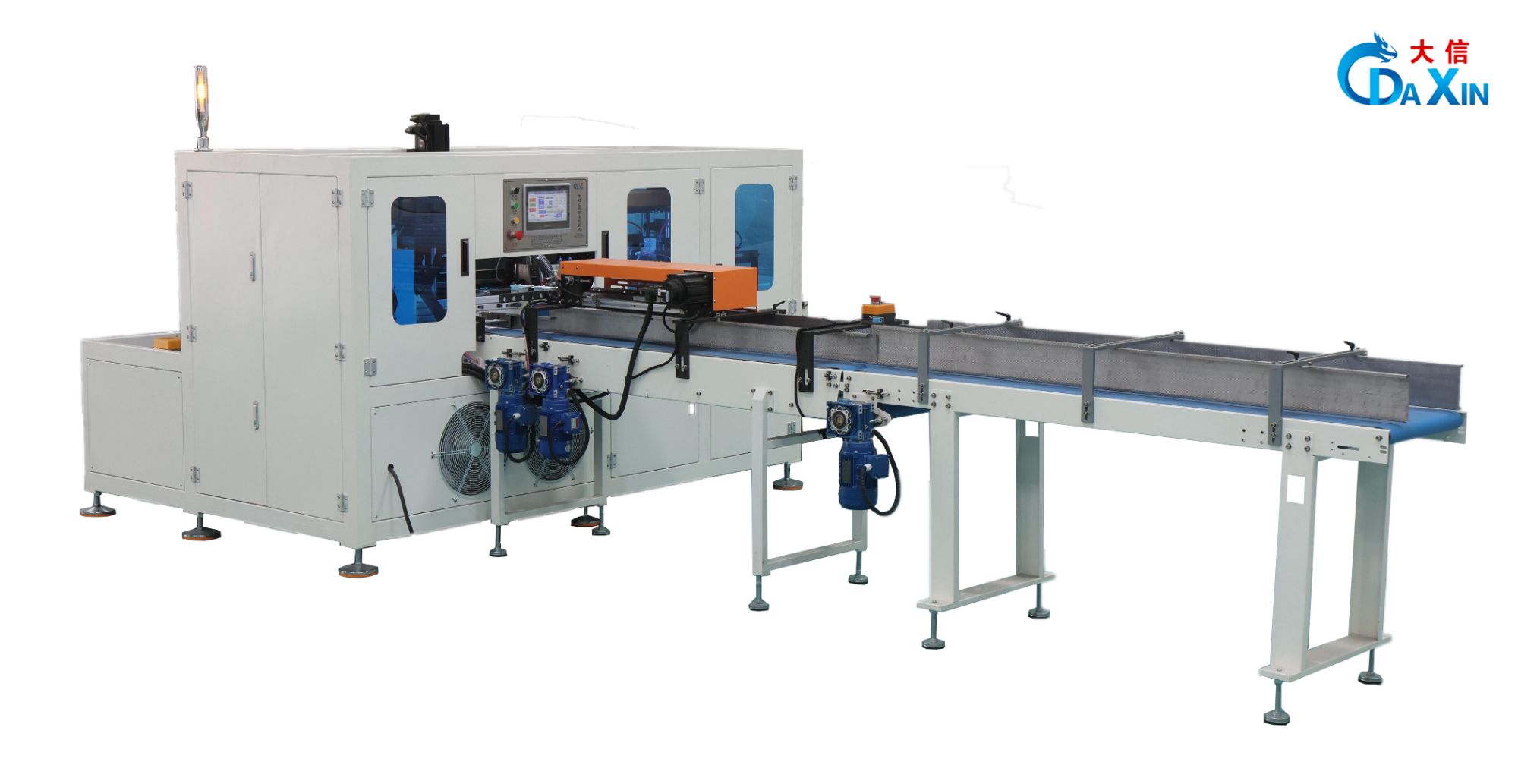
Most quotes line up cycle times, tooling costs, and part quantities in neat columns. Changeover time rarely shows up. It hides inside setup charges or gets averaged into an hourly rate that assumes everything runs at full tilt. The result is a price that looks clean but quietly ignores the fifteen minutes lost every time a fixture comes off, a program stops, or an operator waits for the next job to arrive.
If you trace actual shop floor hours, changeover eats more margin than scrap on small-batch work. A machine that runs two hours and then sits for twenty minutes isn't really billing at the quoted rate. Yet clients keep comparing only the per-piece number, and shops keep burying the switchover cost to stay competitive. Over a year, that hidden time becomes the difference between a job that funds new equipment and one that just keeps the lights on.
Bringing changeover into the quote changes the conversation. Instead of pretending every setup is instant, you can show a customer what their mix of colors, materials, or part numbers actually costs. Some will consolidate orders or pay a premium for flexibility. Others will realize a third-party supplier was never truly cheaper. Either way, the metric stops being a silent penalty and starts being a design decision.
Test With Your Own Tissue, Not Their Perfect Sample
Lab samples get handled like museum pieces. They arrive in controlled batches, never sit in a hot car, and certainly don't spend a week in your bathroom cabinet. That's why the only test that matters is the one you run at home with the actual roll you bought. Tear it, wet it, scrub with it. If it still holds together when you need it to, the spec sheet doesn't really matter.
Fresh from the pack, almost anything feels decent. The real question is how it behaves on a Tuesday morning after the package has been open for a few days, or when your hands are already wet and you're in a hurry. Use your own tissue for a week. Notice the lint, the tear points, the way it breaks down under pressure. A perfect sample in a lab never tells you that story.
Look for Service People Who Speak Your Production Language
Bringing in a service provider who already understands the terms your team uses on the floor saves far more than time. When someone knows what you mean by takt time, first-pass yield, or tooling offset, they skip the lengthy definitions and move straight to the actual problem. It also reduces the chance of a small miscommunication turning into rework, idle equipment, or a batch that quietly drifts out of spec.
One of the quickest ways to spot this fit is to listen to the questions they ask during the first call or site visit. People who speak your production language tend to ask about changeover frequency, shift handoff notes, or how a particular line handles rush orders. They do not need a guided tour of basic workflow; they want to know where the friction sits and how your operators currently work around it.
Before you commit, ask them to walk through a recent job that resembles yours. Pay attention to whether they describe the situation using the same names, stages, and constraints your team would use. That kind of overlap usually means less training on your side, faster troubleshooting later, and a working relationship that starts on the same page instead of several steps behind it.
Calculate the Cost of a Bad Film Seal, Not Just the Purchase Price
A weak or inconsistent film seal rarely shows its true cost on the invoice. The film itself may be only a few cents per package, but when seals fail, the expense quickly shifts to product spoilage, leaking containers, and customer returns. A single rejected shipment can wipe out the savings from several rolls of lower-priced film.
Line downtime is another cost that gets overlooked until it becomes routine. Wrinkled film, misaligned sealing jaws, and jammed packages force operators to stop, clear, and restart the line throughout a shift. Those interruptions reduce output and push labor into rework instead of production. If a faulty package reaches the shelf, the damage goes further: the customer who opens a leaking or stale product often simply buys a different brand next time.
Rework and scrap add one more layer. Workers may have to inspect finished cases, pull suspect packages, and repack product that is still perfectly usable inside. The wasted film, extra handling, and lost production capacity frequently cost far more than the difference between a reliable film and a marginal one. A cheap seal that fails intermittently is not a bargain once the full operational impact is counted.
Start Lean, But Leave Room for a Second Lane
The instinct when launching anything new is to cram every possible feature into the first release. Resist that. A narrow initial lane keeps your focus sharp, your costs low, and your feedback loop honest. If you start with a single, well-defined promise, you learn what actually matters to the people using it—not what you assumed would matter. That lean beginning is what gives you the clarity to recognize a genuine second lane when it appears.
But do not build so tightly that there is no physical or conceptual space to expand. Leave a shoulder on the road. Maybe that means a data model that can accept a new category without a rewrite, or a brand voice that can stretch into a related format. The point is not to plan every future move, but to avoid painting yourself into a corner where the only way forward is a complete teardown.
The second lane rarely looks like the first one. It might be an adjacent audience, a different use case, or a packaging idea that only makes sense after you have watched real behavior for a few months. If your starting structure is too rigid, you will miss it. Start lean for speed and focus, but leave room for a lane you have not imagined yet.
FAQ
Start with how well the supplier understands smaller production runs and frequent changeovers. A growing brand often needs flexibility more than maximum speed, so pay attention to whether they ask about your product sizes, pack counts, and future lines before quoting a machine.
Ask for references from brands of a similar size, not just big manufacturers. A dependable supplier should be able to show you how their machines handle the same materials you use, and they should be honest about lead times, training, and what happens when something breaks.
Not necessarily. A machine loaded with features you won't use for two years can create more complexity and maintenance. For most growing brands, it's smarter to choose a machine that matches current volume and has room to add modules later, rather than paying upfront for unused capability.
Local support often matters more than the machine's spec sheet. If a technician can reach your facility quickly or you can get spare parts without waiting weeks, downtime stays manageable. Ask about response times, stock of common parts, and whether remote diagnostics are available before signing.
The biggest mistake is choosing mainly on price and then discovering the supplier cannot support growth. Instead, compare the total cost over three to five years, including training, spare parts, changeover time, and potential line upgrades. That reveals the real difference between suppliers.
Yes, whenever possible, run your actual tissue material and packaging film on the machine before committing. A visit also lets you see build quality, safety features, and how the supplier handles assembly. If travel isn't possible, ask for a live video demonstration with your materials.
Look at changeover time, film compatibility, seal quality, and how gently the machine handles soft tissue bundles. Speed is important, but for a growing brand, consistency and low waste often have a bigger impact on daily output than a higher maximum cycle rate.
Very important. A machine that your team cannot operate confidently will never reach its promised output. Ask how training is delivered, whether it includes hands-on sessions, and if refresher training or documentation is available after installation. Clear training reduces errors and protects your investment.
Conclusion
For a growing brand, selecting a tissue packaging machine supplier should start on the production floor rather than in a sales catalog. The right question is not whether a machine looks impressive, but whether it can handle your actual pack formats, film types, tissue counts, and folding patterns without constant adjustment. Changeover time deserves the same attention as output speed, even though it rarely appears on a quote; those lost minutes between short runs add up quickly when you are producing multiple private-label or retail lines in the same week. Whenever possible, run a trial using your own tissue and film. A supplier's polished demo sample will not reveal how the equipment responds to your paper caliper, embossing, dust level, or a slightly softer sheet, and those variables are where real problems begin.
Beyond the hardware, look closely at the service team. You need people who understand tissue handling, film sealing, and the daily realities of a packaging hall, not just technicians reading from a manual. Equipment support that cannot speak your production language turns minor faults into long stops. Also, compare more than purchase price: calculate what a bad film seal costs in rejected packs, wasted film, customer complaints, and rework over a year. A lower quote can hide a much higher operating cost. Finally, start with a lean layout that fits current demand, but check that the frame, controls, and infeed can accept a second lane later. Buying a machine with no room to grow often forces a full replacement sooner than expected, while a small amount of forward planning keeps expansion simple.
Contact Us
Contact Person: Sam Xie
Email: [email protected]
Tel/WhatsApp: 86-18938538530
Website: https://www.daxin321.com/