

Toilet Paper Rewinding Machine Exporter: How to Find Trusted Partners for Global Supply
2026-11-02
Finding a toilet paper rewinding machine exporter that actually keeps promises is tougher than most buyers expect. A shiny website and a low FOB price won’t tell you whether the equipment holds tension at 600 m/min, whether spare parts arrive within days, or whether the exporter understands CE, UL, or SASO documentation for your destination market. At DAXIN, we believe the right partner should give you factory audit access, real production videos, and a clear commissioning plan before you commit. This guide covers the practical filters we recommend for building a global supply chain that doesn’t fall apart after the first container.
Walk the Factory Floor Before You Compare Prices
Quotes on paper rarely tell the whole story. Walking the factory floor lets you see how materials are handled, whether workstations are organized or chaotic, and if quality checks happen in real time. A supplier with a slightly higher price but a cleaner, more disciplined floor will often save you money on rework and delays down the line.
Pay attention to the pace of work and the condition of the equipment. Are machines rusted or well maintained? Do workers have clear instructions posted? These details reveal how much control the factory has over its own output. If the floor feels frantic and disorganized, that energy will show up in your product.
Once you see the actual production environment, revisit the quotes. A cheap price from a messy factory almost always hides future costs, while a moderate price from a well-run floor protects your timeline and your reputation.
Verify the Certifications That Matter for Cross-Border Buyers
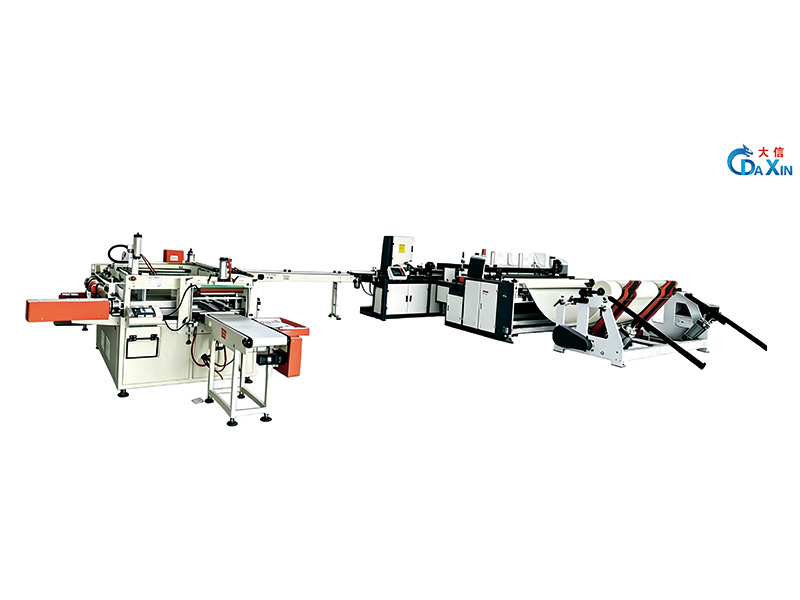
Cross-border buyers often assume a certificate with an official-looking logo is enough, but that's exactly where costly mistakes happen. The only certifications that matter are the ones required by the destination market and issued by a recognized body—CE alone won't cover the UK any longer, FCC is mandatory for most electronics entering the US, and food or cosmetics may need entirely different schemes in the EU or Gulf states. Before you even look at price, ask your supplier for the exact certificate number, the issuing organization, and the relevant product scope or model list.
Then verify each credential yourself. Don't just accept a scanned PDF; check the number against the issuing body's public database or registry. Some suppliers will send an old, suspended, or mismatched certificate hoping you won't notice, so watch the expiry date and confirm the importer or manufacturer name matches your contract. For high-risk categories like medical devices, children's products, or wireless gear, a single missing mark can result in customs seizure, forced destruction, or a recall that wipes out your margin. A quick phone call or email to the certification body before shipping is far cheaper than losing an entire container at the border.
Test the Rewinding Line with a Pilot Order, Not a PowerPoint
A polished slide deck can make any rewinding line look flawless. But the real test comes when you run your own material through it. A pilot order forces the supplier to set up the line, handle your specific roll widths and tensions, and produce a finished roll you can inspect. That is where hidden issues surface — things no presentation will ever show.
Start with a few hundred meters or a handful of rolls. Watch how the line handles splices, how quickly it changes cores, and whether the tension stays consistent from start to finish. If the supplier hesitates to run a small pilot, treat that as a warning sign. A confident vendor will welcome the chance to prove the machine on your terms.
The cost of a pilot order is minor compared to the downtime and rework a bad purchase can cause. Use it to check edge quality, wrinkle formation, and roll hardness. Then decide with data, not with a well-rehearsed demo.
Tie Payments to Milestones, Not Just Proforma Invoices
A proforma invoice is often little more than a promise of what a supplier intends to charge. If your payment schedule follows that document alone, you're essentially funding intentions rather than results. Breaking the total cost into milestone-based payments shifts the balance: money moves only when a defined piece of work is actually completed and accepted.
For this to work, each milestone needs a concrete outcome everyone can verify—whether that's a signed-off design, a working prototype, or a successful factory audit. Attach a specific percentage of the contract value to each one, and make the acceptance criteria plain from the start. That way, both sides know exactly what has to happen before the next transfer is triggered.
The real value shows up when things drift. Instead of arguing over an invoice that may not reflect reality, you can point to the unmet milestone and hold the next payment until the issue is resolved. Suppliers who are serious about delivery rarely push back on this structure, because it also gives them predictable cash flow tied to their own progress.
Secure Spare Parts and Service Commitments in Writing
When equipment failures happen, verbal promises about spare parts availability or service response times rarely hold up. Ask the vendor to put every commitment on paper—part numbers, stock locations, shipping timelines, and who covers expedited freight if a critical component isn't on the shelf. A written agreement prevents the all-too-common discovery that a supposedly "supported" machine has been orphaned, with no compatible spares left in the supply chain.
Look beyond glossy brochures and ask for specific, measurable terms: guaranteed availability of key wear items for a defined number of years, maximum lead times for non-stocked parts, and a named contact for after-hours support. If a supplier balks at writing down these details, treat that hesitation as a red flag. Solid documentation also gives your maintenance team leverage when a promised part fails to arrive, making it easier to demand loaners, credits, or alternative sourcing.
Review the fine print around service contracts too. Does "same-day response" mean a phone call or an actual technician on-site? Are travel charges capped, and is overtime excluded unless you pay a premium? By nailing down these specifics before purchase, you avoid being trapped in a relationship where every breakdown becomes an expensive negotiation.
Recognize When a Supplier Is Scaling Back, Not Scaling With You
A supplier that once answered your emails within hours may now take days. Orders that used to arrive fully stocked now trickle in with missing items or quiet substitutions. These shifts rarely happen overnight. More often, the signs are subtle: a gradual drop in responsiveness, fewer proactive suggestions, or a sales rep who suddenly becomes hard to reach. When you notice this pattern, resist the urge to blame your own growth or assume it's a temporary blip. Instead, track the trend over a few weeks and compare it against earlier performance. If the decline is consistent, it's likely more than a rough patch.
Another red flag is a change in how the supplier prioritizes your requests. They may start routing your orders to a lower-tier support team or assigning a junior account manager without telling you. You might also notice that they stop investing in customizations or special handling that were once standard for your account. In some cases, the supplier will still accept your orders, but delivery timelines stretch, and quality control slips. This is scaling back: keeping you as a customer on paper, but quietly reducing the cost and effort they spend on you. Scaling with you, by contrast, means they're actively adding capacity, improving lead times, and asking about your future needs.
To confirm what's happening, ask a direct question about their capacity and future plans for your account. A supplier that is scaling with you will give specific answers—new equipment, added shifts, or a dedicated logistics contact. A supplier that is scaling back will hedge, blame external factors, or make promises without details. Watch what they do, not just what they say. If you see no concrete investment after two or three conversations, start building a backup plan. Your growth shouldn't depend on a partner who has already decided to shrink away from you.
FAQ
Look for direct evidence of manufacturing: photos or videos of the workshop floor with current date markers, an engineering team that can discuss roller specifications and tension control in detail, and a willingness to share references from past export clients. A middleman often avoids technical questions and can't provide documentation like machine serial numbers tied to the factory.
Request a live video tour of the production line, not a pre-recorded clip. Ask to see a machine being assembled for another export order and have the exporter show the test run with tissue paper loaded. An independent third-party inspection service can also visit the factory to check welding quality, motor brands, and assembly timelines.
CE marking is the baseline for many markets, but you should also confirm the electrical cabinet meets IEC standards and that safety guards on rotating parts comply with local workplace regulations. For some regions, a pre-shipment inspection report from an agency like SGS or Bureau Veritas carries more practical weight than a piece of paper.
They over-index on the lowest price and ignore the cost of downtime from inferior rollers or worn cutting blades. Another mistake is skipping a materials check: the frame should be heavy-gauge steel, not thin sheet metal, or vibration will destroy precision. Buyers also forget to ask about spare parts availability for at least five years.
Avoid 100% upfront payment. A reasonable structure is 30% deposit to start production, 50% after a successful video acceptance test of the running machine, and 20% before shipment but after passing a third-party inspection. Use a letter of credit for large orders, and make sure the inspection clause is explicit, not vague.
It is often more important than the machine's initial price. Ask for written response times for technical issues, remote troubleshooting via video call, and whether they offer onsite commissioning within a set number of days. A trustworthy exporter will name the specific engineer who will train your operators, not just promise general support.
Break each quote into identical components: frame thickness, motor brand and power, blade type, PLC model, and included spare parts. Many low quotes omit things like core shafts, glue systems, or safety covers. Ask for the weight of the machine; a significantly lighter machine at the same stated size usually means thinner steel and weaker components.
Confirm the exact crate dimensions and whether the shipment is FCL or LCL. Ask how the machine is protected against salt air if shipped by sea, whether the exporter handles port customs clearance on their end, and who pays for unloading at the destination. Also get a full packing list with each component marked, so you can check nothing is missing on arrival.
Conclusion
Before you spend much time negotiating unit costs, spend a day on the actual production floor where the rewinding machines are assembled and run. Watch how operators handle roll changes, glue application, and tension adjustments—these small motions tell you more than a polished brochure ever will. Then make sure the exporter can show current certificates for the markets you actually ship to, whether that means CE for Europe, UL or CSA for North America, or other recognized safety and hygiene standards. After that, don't rely on a slide deck or a video loop. Send a small pilot order with the exact paper grade, core size, and roll diameter your customers use, and measure the line's uptime, waste rate, and finished roll consistency over a couple of shifts.
Once the machine proves itself, keep the commercial terms just as disciplined. Link payments to clear milestones—factory acceptance testing, loading, installation, and final performance sign-off—rather than handing over large deposits against a proforma invoice. Get the spare parts list, recommended wear items, response times, and remote support hours written into the purchase contract, not tucked into a WhatsApp chat. And pay attention to how the exporter behaves after the order is placed. If they start delaying drawings, rotating project engineers, or pushing lower-spec components, that is a sign they may be scaling back their export service capacity. A trustworthy partner should be adding capacity for your market, not quietly reducing it.
Contact Us
Contact Person: Sam Xie
Email: [email protected]
Tel/WhatsApp: 86-18938538530
Website: https://www.daxin321.com/