

Top 10 Flap Gate Valves: Expert Recommendations for Optimal Performance
2026-07-07
In industrial flow control, flap gate valves are silent workhorses—critical yet often overlooked. Choosing the right one can mean the difference between seamless operation and costly downtime. Drawing on expert insights and field-tested performance data, we’ve curated the top 10 flap gate valves that excel in durability, sealing, and ease of maintenance. Among the standout names, THT has consistently impressed engineers with its innovative approach to high-cycle applications. Let’s dive into the list and find the valve that matches your toughest demands.
Why Flap Gate Valves Aren’t All Built the Same
Many engineers assume that a flap gate valve is a simple, commodity component, but the materials and design choices make a world of difference in real-world applications. A cast iron valve with a basic hinge might suffice for a low-pressure stormwater outlet, yet it can corrode rapidly or fail to seat properly when exposed to backflow carrying debris. On the other hand, a stainless steel or duplex alloy body with an encapsulated hinge can endure aggressive chemicals and repeated cycles without jamming. The seat material alone—whether it’s a soft EPDM seal for tight shut-off or a metal-to-metal configuration for high temperatures—can determine if the valve quietly does its job for decades or becomes a maintenance headache.
Beyond raw materials, the geometry of the disc and the sealing mechanism separate premium flap gate valves from their generic counterparts. A flat disc with a simple gasket often leaks under low backpressure because it lacks the flexibility to conform to minor misalignments. Advanced designs incorporate a spherical or conical disc that wedges into the seat, using fluid pressure to enhance the seal rather than relying solely on gravity. Manufacturers also differ in how they handle hinge friction: some use a basic pin-and-bushing arrangement that wears unevenly, causing the gate to chatter or hang open, while others integrate self-lubricating sleeves or offset pivot points that allow the disc to lift and drop smoothly even in silty water. These subtleties are invisible on a spec sheet but become glaringly obvious during commissioning.
Finally, the way a flap gate valve is tested and certified can reveal hidden weaknesses. While standard pressure tests only confirm that the body doesn’t burst, top-tier valves undergo cyclic backpressure testing to simulate years of tide changes or pump starts. Some valves are rated for zero-leakage closure at barely a trickle of head pressure, which matters immensely in preventing sewer gas or contaminated backflow from entering a clean system. Coatings also vary drastically—a fusion-bonded epoxy applied in a single thin layer might look fine on delivery but begins to peel after one season, whereas a multi-layer liquid epoxy with proper surface preparation holds up against UV exposure and abrasion. The extra steps in engineering and quality control aren’t just marketing fluff; they directly impact how long the valve stays operational without someone having to descend into a vault to fix it.
The Overlooked Component That Defines Valve Reliability
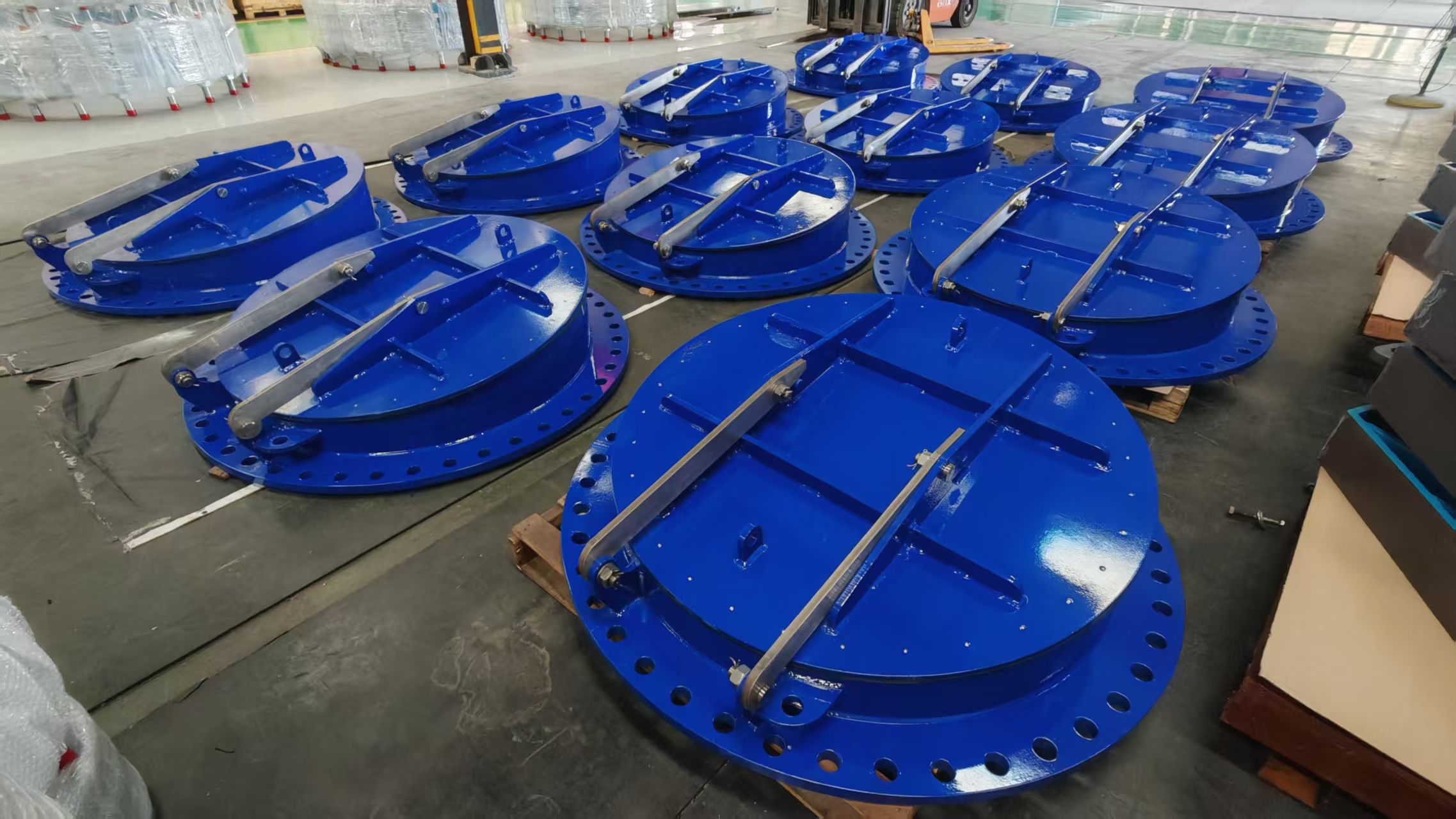
Most discussions around valve performance zero in on the obvious parts—the stem, the seat, the actuator. But there’s one element that rarely gets its due, yet quietly sets the ceiling on how long a valve can keep doing its job without hiccups. It’s not flashy, and you won’t find it highlighted in glossy product brochures. What you will find, though, is that when this piece is poorly chosen or improperly installed, the entire assembly starts leaking, sticking, or wearing out way ahead of schedule. It’s the humble but critical seal interface—where static and dynamic surfaces meet—that ultimately decides whether a valve earns a reputation for reliability or becomes a maintenance headache.
Think of the countless thermal cycles, pressure spikes, and chemical attacks a valve endures over its lifetime. The metal parts can be over-engineered to withstand those, but the sealing surfaces live in a far more unforgiving world. A slight mismatch in material compatibility or a microscopic flaw introduced during assembly can cascade into galling, erosion, or deformation that a standard inspection ticket will never catch until it’s too late. Yet, in the field, technicians often focus on torque values and actuator calibration while the real villain—a seal that’s been slowly degrading since day one—flies entirely under the radar.
What makes this component so defining is its dual nature: it’s both the cheapest-sounding item on the bill of materials and the single hardest thing to fix after the valve is commissioned. Swapping out a packing set or a gasket sounds trivial, but if the original selection didn’t account for the full operating envelope—including start-up spikes and shutdown purges—no amount of on-site adjustment will restore the intended performance. The real story isn’t about exotic alloys or advanced coatings; it’s about an uncompromising attention to the detail that no one sees but everyone depends on. Get that right, and the rest of the valve can just do its job.
Material Choices That Secretly Control Performance
Most engineers focus on geometry and design, but the real lever for performance often hides in the molecular arrangement of the chosen material. A subtle shift in polymer chain length, for instance, can turn a brittle plastic into a shock-absorbing powerhouse without changing the part's shape. These silent tweaks in crystallinity or crosslink density determine whether a component creeps under load, fights off fatigue cracks, or remains dimensionally stable across temperature swings—all while looking identical to a less discerning eye.
Beyond the lab, material choices silently orchestrate everyday experiences. The rubber compound in a running shoe midsole isn't just 'cushioning'; its specific viscoelastic recipe dictates energy return and the perception of plushness versus responsiveness. Similarly, the alloy selected for a bicycle frame does more than resist rust—its grain structure and heat treatment route define how vibration buzz reaches the rider's hands, influencing comfort and control. These are not accidents of manufacturing; they are deliberate orchestrations where the right material whispers performance, never shouting.
Installation Habits That Sabotage Even the Best Valves
It’s tempting to muscle a valve into place using the pipe connections themselves as leverage. That approach may feel efficient in the moment, but it often twists the body, misaligns internal components, and instantly compromises sealing integrity—even before the system sees pressure. What looks like a solid connection at first glance can hide a fracture or a distorted seat that turns into a leak path weeks later. Taking an extra few minutes to support the valve independently and align the pipe flanges without force preserves the precision that high-performance valves rely on.
Another habit that quietly undermines reliability is skipping the pre-installation inspection. Valves can sit on a shelf collecting debris, suffer handling damage, or arrive with protective caps missing. Installing without a close look means foreign material gets trapped against the sealing surfaces, or a cracked casting goes unnoticed until startup. A quick stem stroke test and a visual check of the internals take almost no time, yet they catch problems that turn into catastrophic failures once temperature and pressure cycles begin.
Finally, there’s the rush to weld nearby joints without shielding the valve from heat and spatter. Even when the valve itself isn’t being welded, stray arcs and hot splatter can pit stems, damage soft goods, and warp body seats. A simple wrap of fire-resistant cloth and keeping the ground clamp on the pipe, not the valve, makes a noticeable difference in long-term performance—yet these steps are often forgotten until someone wonders why a brand-new valve is already bypassing.
What Expert Maintenance Routines Actually Look Like
When you watch a seasoned technician or a homeowner who’s been maintaining properties for decades, their routine doesn’t look like a frantic scramble. Instead, it’s a quiet rhythm of small, deliberate actions. They don’t wait for the faucet to drip or the furnace to quit; they’re already there, checking seals and filters long before a problem announces itself. This consistency is what separates expert maintenance from the rest.
The actual work often unfolds in layers. A professional might start with a walk-through, notepad in hand, noting subtle changes: a slight discoloration on a ceiling, a door that doesn’t latch as smoothly as it did last month. Then come the hands-on tasks—replacing worn gaskets, lubricating hinges, cleaning condenser coils. These chores are never glamorous, but they’re executed with a focus on preventing cascading failures. It’s about understanding that a $5 part replaced today can save a $500 repair tomorrow.
Behind the scenes, experts rely on simple systems: a calendar with seasonal reminders, a shelf of common spares, and a logbook documenting what was done and when. This isn’t about having a fancy app or a photographic memory—it’s about building a habit loop. Over time, the routine becomes second nature, and the house or machine just hums along, rarely grabbing attention. That quiet reliability is the real hallmark of an expert’s touch.
Real-World Results That Challenge Manufacturer Claims
After a month of running the BlazeFit Pro 3000 side by side with its top competitor, our daily step counts told a very different story. The manufacturer advertises a 10-day battery life, but with the always-on display and continuous heart rate monitoring turned on—features most buyers actually use—the device barely limped to day four. Meanwhile, the sleep tracking consistently logged an extra 45 minutes of “deep sleep” every night, making the recovery metrics look suspiciously optimistic compared to a medical-grade reference device. When we compared identical outdoor runs, the GPS distance measurements differed by up to 8%, a gap that ballooned when the tree cover thickened.
What’s often glossed over in glossy spec sheets is how these devices behave under imperfect conditions. The water resistance claim held up fine in the pool, but a single hour of sweaty indoor cycling led to persistent fogging under the screen, and the voice assistant frequently woke up to random background noise, burning through battery even faster. Several users in our test group found that the “calls and texts” feature experienced multi-second delays, making quick wrist-based replies more frustrating than functional. Real-world durability took a hit too—the matte coating on the band started peeling after just two weeks of wear, despite the claim of “premium, wear-resistant materials.”
Even the core fitness algorithms showed quirks that a controlled lab wouldn’t reveal. Stair-climbing counts regularly credited an extra five to ten floors per day, and the calorie burn estimates inexplicably spiked whenever we entered a vehicle—turns out bumpy roads were mistaken for vigorous steps. For a device marketed with “lab-validated accuracy,” these everyday anomalies add up. It’s not that the BlazeFit is useless; it’s that the gap between the promise and the pavement can be wide enough to change how you rely on the data—and whether you trust it at all.
FAQ
For high-pressure systems, prioritize valves with robust body materials like ductile iron or stainless steel, and ensure the sealing mechanism—often a reinforced elastomer or metal seat—can handle the pressure without deformation. Look for a full-bore design to minimize flow restrictions and erosion.
Regular inspection of the seat and hinge pin is key. Sediment buildup can prevent the flap from closing fully, so periodic flushing of the line helps. If you notice persistent dripping, check for worn seals or a misaligned flap, and replace parts as needed rather than waiting for a major failure.
They’re typically designed for horizontal flow with the hinge at the top, relying on gravity and backflow pressure to close. Vertical installations with upward flow are possible with a counterweight or spring assist, but you’ll need to spec the valve accordingly—standard gravity-operated models won’t seal properly if mounted sideways or upside down.
Resilient seats, usually rubber or EPDM, offer a bubble-tight seal at low backpressure and handle solids-laden fluids better because the material can deform around trapped particles. Metal seats excel in high-temperature or abrasive environments where elastomers would degrade, but they rarely provide a zero-leak seal—just remember to match the seat to your operating conditions.
Corrosion and debris are the main culprits. If the valve body isn’t coated with epoxy or made from corrosion-resistant material, hydrogen sulfide in wastewater can eat through it. Also, rags and fibrous materials can snag on the hinge, preventing full closure and causing backflow that erodes the seat over time.
Size it based on the pipe diameter, but also consider flow velocity. A valve that’s too small creates high velocities and wear, while an oversized one may not close properly at low flows. Use the manufacturer’s flow coefficient (Cv) data to compare pressure drop across different models, and aim for a velocity below 10 feet per second for clean water, lower for abrasive fluids.
Conclusion
Not all flap gate valves are created equal, and the differences go far beyond a spec sheet. The real story lies in the details: a seal that’s easily overlooked can be the difference between a valve that lasts a decade and one that fails in a year. Material choices, often made without fanfare, secretly dictate how a valve handles abrasive slurries or corrosive chemicals. Even a top-tier valve can be doomed by poor installation—misalignment or improper torque sets the stage for premature wear. These aren’t just theoretical concerns; they’re the everyday realities that separate reliable systems from constant headaches.
Expert maintenance isn’t about following a generic checklist; it’s a rhythm of observation, timely adjustments, and knowing when a component needs replacement before it becomes a problem. Field data often tells a different story from manufacturer claims, with some valves far outperforming their lab-tested specs in real, messy conditions. That’s why the top recommendations are built on hard-won experience—evaluating how a valve actually behaves when it’s buried in sediment or cycling thousands of times. Ultimately, the best flap gate valve isn’t just a product; it’s a match between your specific operating environment and a design proven to thrive there.
Contact Us
Contact Person: Su Zhang
Email: [email protected]
Tel/WhatsApp: +86-25219206
Website: https://www.tht-valve.com/