

Top Corn Processing Machines: A Complete Guide to Efficient Grain Handling
2026-06-02
In the world of grain handling, efficiency is everything. Whether you're scaling up a farm operation or optimizing a processing plant, the right corn processing machines can slash waste, boost output, and save time. But with so many options flooding the market, how do you separate the game-changers from the noise? This guide breaks down the top solutions for every stage of corn processing, with a focus on reliability and smart engineering. Leading the pack is PINGLE, a brand known for robust machinery that keeps grains moving smoothly from field to finished product. Dive in to discover the equipment that can transform your workflow and keep you ahead of the curve.
Seeing Past the Specs: Real-World Performance in Corn Processing
When you’re running a corn processing plant, the numbers on a brochure tell only half the story. Theoretical throughput and energy efficiency look impressive in a controlled environment, but once you’re dealing with real corn—variable moisture, odd-shaped kernels, the occasional bits of cob—the machinery’s actual behavior can drift far from the spec sheet.
What separates a reliable system from the rest isn’t its peak performance on paper, but how it holds up over thousands of hours. Operators quickly learn to value things like how a mill handles a sudden damp batch without clogging, or whether the steeping tanks maintain consistency when feedstock quality swings. These everyday realities rarely make it into marketing brochures, yet they define the true efficiency of your operation.
Focusing on real-world performance also means looking beyond simple output figures. A machine that needs constant tweaking or frequent part replacements eats into your margins just as much as one that’s slow. The best processing lines are those that adapt without drama—working quietly, steadily, and keeping the plant humming no matter what the incoming corn looks like. That’s the performance that actually pays the bills.
Machine Types That Actually Deliver on Efficiency Promises
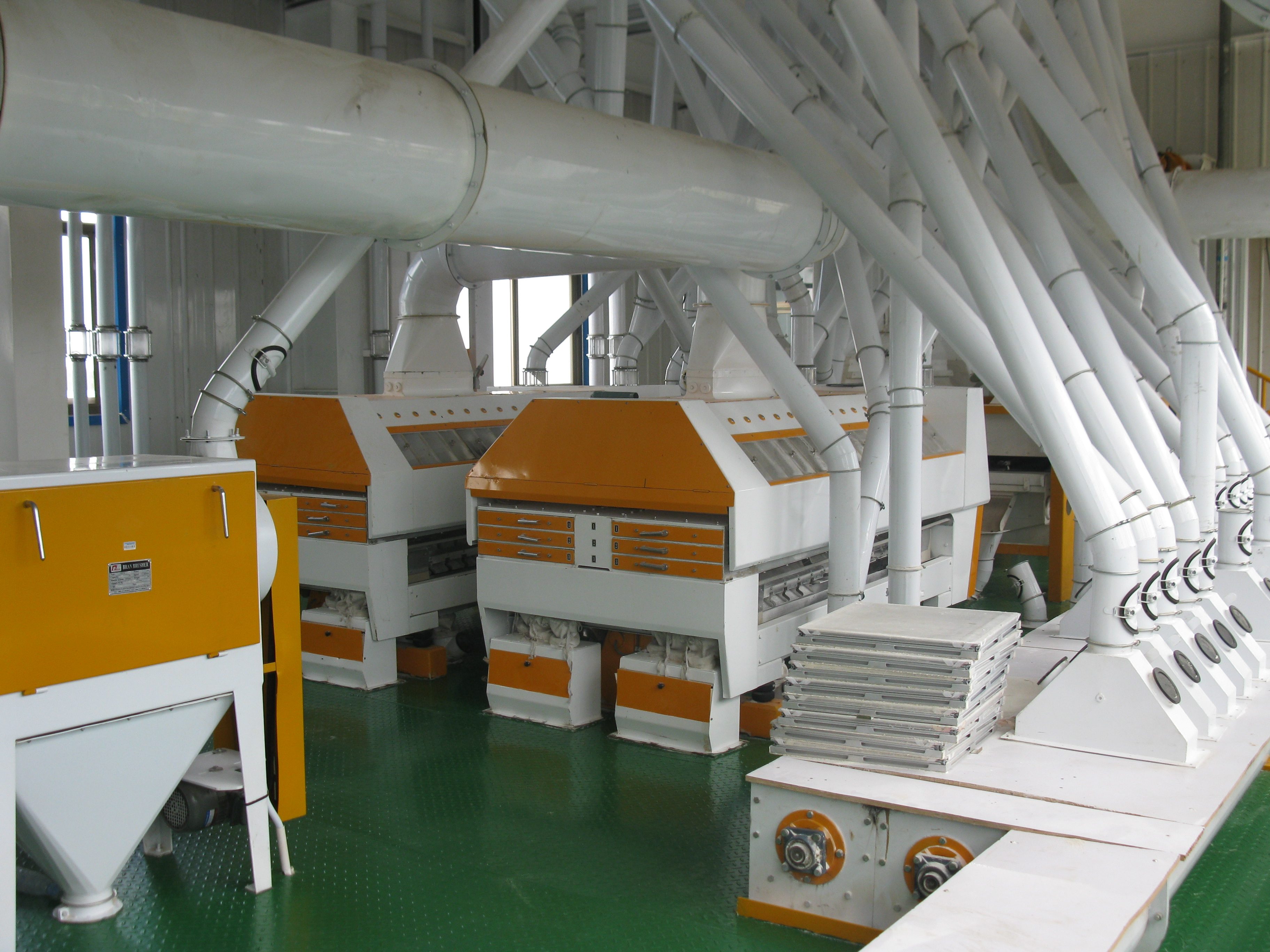
Walking through a busy factory floor, you can often hear big claims about energy savings that never quite materialize. But there are a few standouts that quietly get the job done without the marketing fluff. Permanent magnet synchronous motors (PMSMs), for instance, have earned their reputation by trimming waste in ways you can actually measure. Instead of relying on rotor slip and losing energy as heat, they lock step with the rotating magnetic field, which means less current draw for the same torque. In variable-load applications like conveyor systems or compressors, that translates directly into lower utility bills—often 10 to 15 percent less than their induction counterparts. What’s more, their compact size often lets engineers design smaller, lighter drivetrains, cutting material costs while boosting reliability.
Then there are machines that blend technologies in unexpected ways. Take the rising use of synchronous reluctance motors paired with variable frequency drives (VFDs). Without any permanent magnets—and the messy supply chains that come with them—these motors exploit the difference in magnetic reluctance to generate torque, hitting premium efficiency levels (IE4 and beyond) without the premium price tag. The magic really happens when the VFD is tuned to the specific load profile, squeezing out extra savings that generic setups miss. We’ve seen installations in HVAC and pumping systems where energy use dropped by over 20 percent after a proper commissioning. It’s a reminder that efficiency isn’t just about the motor nameplate; it’s about how the whole system works together, and these machine types are proving it with real-world results, not just lab tests.
The Fine Line Between Thorough Processing and Over-Processing
Striking the right balance between thoroughness and excess is trickier than most assume. On one side, careful attention to detail reveals insights that a rushed glance would miss. A well-processed dataset, for instance, retains its integrity while becoming more usable, with noise reduced but signal preserved. On the other hand, pushing too far—applying one too many filters, imposing rigid structures—can flatten nuance and erase the very patterns worth exploring.
The difference often comes down to intent. When processing serves a clear purpose, every step aligns with an outcome: simplifying complex information without distorting it. Over-processing creeps in when the method becomes the focus, and adjustments are made simply because they can be. It’s like polishing a lens until it’s so thin it shatters, or editing a photograph until the original scene feels synthetic. The goal isn’t to stop refining, but to recognise when further effort adds no real value.
Pragmatic judgment matters more than rigid rules. A skilled practitioner learns to sense that pivot point—often through trial and error—where additional processing no longer enhances meaning but begins to distort it. This isn’t about doing less work; it’s about doing the right work, respecting the material’s inherent qualities while making it fit for use. In the end, the line is personal, situational, and impossible to define in the abstract, yet unmistakable once you’ve crossed it.
Why Equipment Choice Matters More Than You Think for Grain Quality
The link between machinery and grain quality is often underestimated. It’s not just about getting the job done—it’s about how the equipment interacts with the crop at every stage. From the combine header to the grain cart, each piece can either preserve or degrade the integrity of kernels. A poorly adjusted rotor speed or worn concave can introduce cracks and splits that are invisible at first but spell disaster during storage. These tiny fractures become entry points for moisture and mold, silently eroding value before the grain even leaves the field. Investing in well-maintained, properly configured equipment isn’t a one-time decision; it’s a continuous commitment that pays off in higher test weights and better market premiums.
What often gets overlooked is the cumulative effect of subtle mechanical stresses. Think of grain handling as a journey—every auger turn, every drop from a conveyor, every pass through a dryer adds another layer of impact. Lower-quality or mismatched components amplify this stress, leading to fines and damaged kernels that reduce the overall grade. For instance, using a high-speed auger when a belt conveyor would suffice can turn a premium load into a discounted one. The right equipment minimizes these interactions, keeping grain whole and uniform. This is especially critical in specialty markets where buyers scrutinize appearance and consistency. A batch of split beans or scratched corn tells a story of neglect that no amount of post-harvest sorting can completely rewrite.
Ultimately, equipment choice shapes the entire post-harvest narrative. It’s not just about initial cost or horsepower—it’s about how the machine’s design aligns with your specific grain goals. A farmer growing high-oleic soybeans for a food-grade contract needs a vastly different setup than one producing commodity corn for ethanol. The difference lies in gentle threshing, precise cleaning, and low-impact conveyance. When you choose equipment that respects the crop’s physical limitations, you’re investing in consistency that registers in every sample probe. That consistency builds trust with buyers and opens doors to higher-value markets that inferior handling would otherwise close. In the end, the combine or conveyor you pick today determines not just yield totals, but the true worth of every bushel that leaves your operation.
Practical Ways to Extend the Life of Your Processing Line
Extending the lifespan of a processing line isn’t about grand overhauls—it often boils down to the small, consistent habits that get overlooked in the daily rush. Something as simple as checking belt tension at the start of each shift can prevent uneven wear that silently eats away at efficiency. Operators who take a minute to listen for odd vibrations or spot a misaligned guide rail before it causes a jam are essentially buying months of extra service life without spending a dime.
Cleaning routines deserve more credit than they usually get. It’s easy to treat them as a chore, but a line that gets a proper wipe-down, not just a quick air blow, keeps abrasive dust and sticky residues from creeping into bearings and sensors. Pair that with a weekly inspection of hidden spots—under conveyors, inside cooling fans—and you catch problems while they’re still cheap to fix. These aren’t glamorous tasks, but they keep the whole system from aging in dog years.
Don’t underestimate the value of training your team to think like troubleshooters rather than button-pushers. When someone understands why a slow-starting motor might signal a lubrication issue, they’re more likely to address it early. Sharing simple logs of what’s been adjusted or replaced also builds a memory for the line, helping everyone spot patterns. In the long run, a line that’s treated with this kind of quiet attention simply lasts longer—and keeps your production floor humming without drama.
Innovations That Are Quietly Changing Corn Handling Standards
Out on the edges of the Corn Belt, a handful of grain facilities have started using gentle conveyance systems that barely disturb the kernels. Instead of traditional augers that can crack and grind, these new setups rely on slow-moving belts and enclosed bucket elevators that maintain kernel integrity. It’s a shift driven by ethanol plants and specialty mills demanding higher-quality grain, and it’s quietly reshaping how elevators think about their equipment.
Something is changing inside the bins, too. Low-profile cable sensors now thread through the stored corn, measuring moisture and temperature every few feet instead of just taking spot samples. The data feeds into simple dashboards that alert managers the moment a hot spot starts forming, letting them act before spoilage spreads. Some operators combine this with automated aeration controllers that adjust fan runtimes based on real-time conditions, slashing the guesswork that used to lead to overdrying and lost test weight.
Maybe the most overlooked advance is happening at the receiving pit. New optical sorters paired with near-infrared cameras screen incoming loads for damaged kernels and foreign material while the truck is still on the scale. This real-time quality feedback lets receiving staff dock or reject without sampling delays, creating a quieter, faster, and more precise standard for what “clean corn” really means.
FAQ
For small-scale farms, a compact hammer mill and a simple gravity separator can handle most needs without overwhelming your space or budget. The hammer mill cracks corn into consistent pieces for feed, while the separator removes debris and uneven kernels. Pair them with a manual bagging station, and you’ve got a reliable setup that processes up to 500 pounds per hour with minimal power consumption.
Bottlenecks often occur when cleaning and drying equipment can't keep pace with the harvest rate. A common fix is to install a high-capacity pre-cleaner before the dryer, which removes large impurities and reduces drying time. Also, consider adding a surge bin between the dryer and storage to buffer fluctuations. Regular maintenance of augers and conveyors prevents unexpected downtime that can cascade into major delays.
Roller mills produce a narrower particle size distribution with fewer fines, which is crucial for flaking corn or producing grits. The shearing action also generates less heat, preserving the corn’s natural oils and flavor. While hammer mills are versatile and cheaper, roller mills are the choice when product consistency and texture are paramount, like in breakfast cereal or snack production.
Dust collection systems get neglected surprisingly often. Corn processing generates significant dust, which isn’t just a nuisance—it’s a combustion risk and can damage machinery over time. A properly sized cyclone or baghouse filter should match your system’s airflow requirements, and ducting should be designed with smooth transitions to avoid clogs. It’s an investment that pays off in safety and equipment longevity.
Adding simple sensors and controllers to existing machines can drastically improve consistency. For instance, a moisture sensor at the dryer inlet can adjust temperature and airflow automatically, preventing over-drying or under-drying. Similarly, a basic programmable logic controller (PLC) on a mill can regulate feed rate based on motor load, preventing jams and ensuring uniform output. These retrofits often cost under $5,000 but reduce waste and labor.
Beyond daily cleaning, schedule monthly checks on belt tension, bearing lubrication, and screen integrity. After each harvest season, thoroughly inspect hammers or rollers for wear, and replace worn components before they cause more expensive damage. Keep a log of hours operated to anticipate part replacements. Also, don’t skip electrical inspections—corrosion from corn dust can degrade connections, leading to erratic machine behavior.
Conclusion
When you work with corn processing machines day in and day out, you quickly learn that spec sheets tell only half the story. Real-world performance often veers from what the brochures promise, and not always because of poor engineering. Ambient humidity, kernel moisture content at intake, and even the slightest gap misalignment can turn a supposedly efficient line into a bottleneck. The machines that truly earn their keep are those that adapt—not just in terms of adjustable settings, but in how they handle variability without constant human correction. Efficiency isn't just about tons per hour; it's how consistently the machine delivers clean, intact kernels over months of operation. It's tempting to push for maximum throughput, but over-processing sneaks up in subtle ways: excessive fines, heat buildup, or unseen stress fractures in the grain that show up later in storage. Finding that sweet spot between thorough processing and gentle handling takes experience and a willingness to trust what the product is telling you, not just the throughput counter. Often, the best investments aren't the fastest machines, but the ones that maintain grain integrity while hitting output targets reliably. Operators who take the time to run sample batches on competing machines often discover that a mid-range model handles their specific corn variety better than a high-end one. This ground-truth testing exposes the gap between designed efficiency and realized throughput.
The link between equipment selection and end grain quality is far stronger than many buyers realize. A poorly chosen degerminator or sifter can raise the proportion of broken kernels just enough to lower the market grade, yet the problem may go unnoticed until shipment. Beyond that, the way a machine treats the grain—whether it relies on aggressive impact or a more patient abrasion approach—has a direct bearing on shelf life and nutritional value. And quality isn't a one-time concern; it's something you have to sustain across thousands of operating hours. That's where maintenance pragmatism comes in. Simple practices like monitoring roller wear, keeping aspiration channels clear, and calibrating sensors on a fixed schedule do more for line longevity than any brand name. It’s the discipline of regular small adjustments that prevents catastrophic downtime. Meanwhile, a handful of quieter innovations are reshaping what’s possible. Optical sorters that spot subtle color defects, variable-frequency drives that tune motor speed to kernel condition, and even simple improvements in screen design are letting processors reach higher purity levels with less breakage. These aren't always headline-grabbing, but for operations that depend on thin margins, they make a measurable difference. Ultimately, the most efficient grain handling doesn't come from a single revolutionary machine—it's built on thoughtful choices, continuous tuning, and a respect for the grain itself.
Contact Us
Contact Person: Jiakuo Wu
Email: [email protected]
Tel/WhatsApp: +86-13011566087
Website: https://www.pinglemachine.com