

Top Corrugated Plastic Boxes: The Ultimate Guide to Durable, Reusable Packaging Solutions
2026-06-04
When it comes to packaging that can withstand the toughest handling while still being eco-friendly, corrugated plastic boxes are rewriting the rules. Unlike traditional cardboard or single-use crates, these durable, reusable workhorses offer unmatched protection for your goods—and they just keep going trip after trip. In this ultimate guide, we’ll explore why they’re becoming the go-to choice for smart businesses, and how ShiTeng Packaging is leading the way with innovative, heavy-duty solutions that don’t compromise on sustainability.
What Makes Corrugated Plastic a Superior Choice Over Traditional Materials
Corrugated plastic stands out due to its remarkable durability combined with lightness. Unlike wood or metal, it resists moisture, chemicals, and corrosion, ensuring it stays intact in harsh environments. This resilience means fewer replacements and less maintenance, all while being easy to handle and transport thanks to its low weight.
Customization is another area where this material excels. It can be easily cut, shaped, printed on, and even welded, allowing for tailored solutions without the heavy tooling costs of traditional materials. Whether it's for signs, packaging, or reusable containers, the design flexibility opens up possibilities that wood or cardboard simply can't match.
From a cost perspective, the longevity of corrugated plastic delivers real savings over time. It doesn’t splinter like wood, rust like metal, or weaken when wet like paper-based products. Reusable and recyclable, it often proves more economical when you factor in the extended lifespan and reduced waste, making it a practical upgrade for countless applications.
The Hidden Engineering Behind Lightweight, High-Strength Boxes
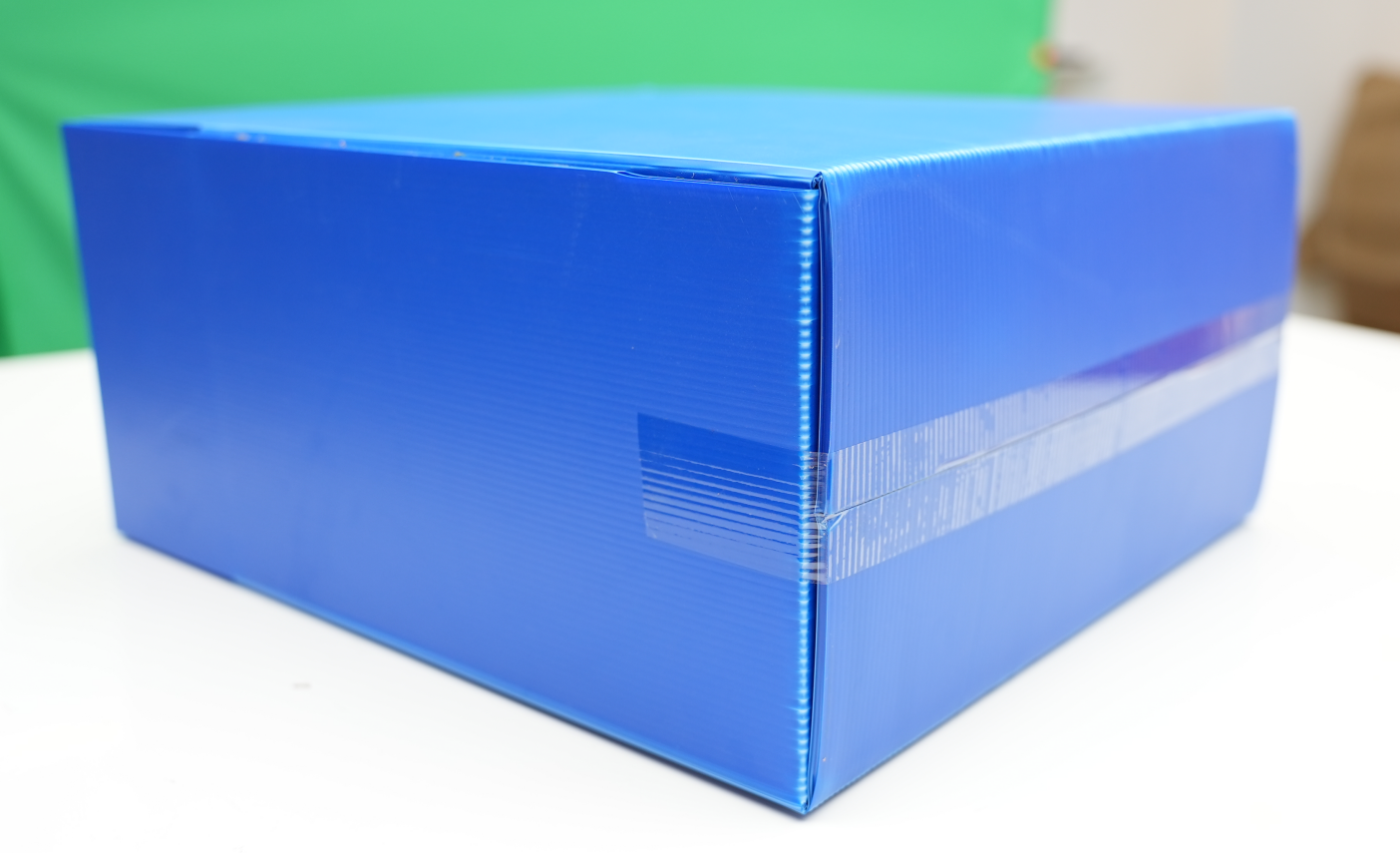
It’s easy to overlook the humble box, but behind its simple appearance lies a world of clever structural tricks. Engineers use fluting in corrugated cardboard to create arched columns that resist crushing, while clever fold patterns distribute stress away from corners. Even the choice of paper fiber orientation plays a role—aligning fibers with the expected load direction can double the box’s stacking strength without adding an ounce of weight.
Material science pushes these designs further. High-performance boxes often blend recycled fibers with virgin pulp in precise ratios, balancing stiffness and tear resistance. Some designs incorporate honeycomb cores or 3D-knitted textiles between thin facings, achieving panel strength that rivals plywood yet floats on water. The real magic happens at the micro level, where chemical additives create millions of tiny hydrogen bonds, turning ordinary paper into a material that can hold a refrigerator.
The geometry is just as critical as the material. Curved crease lines, inspired by origami, let boxes buckle in controlled ways that absorb impact rather than crack. Re-entrant corners—where the profile pinches inward—act as natural shock absorbers. These aren’t just theoretical concepts; they’re tested on custom compression rigs that map every point of failure, letting engineers shave off material from low-stress zones while reinforcing the spots that matter. The result is packaging that protects like a tank but carries like a feather.
Real-World Scenarios Where These Boxes Outperform Expectations
You toss one into the back of a pickup truck on a dusty jobsite, expecting it to crack under the weight of heavier gear. Weeks later, it’s still intact, its corners barely scuffed. Someone leaves a stack of them out in a sudden downpour, and while everything else soaks through, the contents inside stay bone-dry. These aren’t just storage solutions—they quietly take abuse that would ruin most containers, and nobody thinks twice about it until they realize the alternative would have been a mess.
During a cross-country move, a friend uses them to pack delicate electronics, layering cables and hard drives without much padding. The movers aren’t gentle, and the boxes get wedged under heavier furniture. Unpacking reveals no damage, not even a bent connector. Another time, a caterer fills them with ice and perishables for an outdoor summer event; eight hours later, the ice has barely melted, and the food is still chilled. These moments feel like small miracles, but they’re just the result of a design that quietly outclasses the flimsy alternatives people usually settle for.
Even in creative, unintended roles, these boxes shine. A teacher stacks them into makeshift classroom shelves that hold up better than the actual furniture. A gardener turns one into a portable compost bin, and it doesn’t degrade or stink up the patio. They hold shape when overloaded, resist warping in damp basements, and somehow always end up being the thing you grab first, no matter how many other containers you own. That quiet reliability turns them from a purchase into a habit.
Extending Product Life Cycles Through Smart Reuse Strategies
Manufacturers are beginning to see the financial sense in designing products that don't just end up in a drawer after a year. By building devices with replaceable parts, such as modular smartphones or repairable kitchen appliances, companies can create ongoing revenue through spare part sales and servicing. This shift moves the focus away from simply selling more units and toward maintaining a relationship with the customer over the entire lifespan of the product.
Some of the cleverest reuse approaches involve entirely rethinking ownership. Instead of buying a washing machine, a household might pay per wash cycle, with the manufacturer responsible for maintenance and eventual refurbishment. This model often leads to higher-quality, longer-lasting machines because the company absorbs the cost of breakdowns. Meanwhile, peer-to-peer rental platforms and certified pre-owned programs give a second life to electronics and gear that would otherwise gather dust.
The real leverage point might be consumer expectations. When people start asking detailed questions about repair policies before purchasing, or choosing brands that publish tear-down guides, the market responds. A growing community of fix-it clinics and online tutorials has shown that many products are intentionally difficult to mend, and this awareness is slowly pushing some companies to offer better access to spare parts and diagnostic tools. It turns out that the most effective reuse strategy sometimes starts with a screwdriver and a bit of determination.
Custom Design Possibilities That Fit Your Exact Workflow
Every team moves through its work in a slightly different rhythm, and off-the-shelf tools rarely match that cadence without forcing unnatural compromises. Rather than reshaping how your team naturally operates, custom design possibilities let you sculpt the interface, automations, and data flows so they mirror your actual process—not some idealized universal version dreamed up by a product committee. The result is a workspace that feels like it was built just for you, because in a way, it was.
The real magic appears in the details: a dashboard that surfaces precisely the metrics your weekly standup needs, a notification rule that understands the difference between urgent client requests and internal FYIs, or a kanban board that adapts its columns based on project phase rather than generic status labels. These aren't superficial color changes or logo swaps. They're deep structural tweaks that eliminate the repetitive clicks, manual updates, and mental context-switching that gradually drain focus from the work that matters.
What often gets overlooked is how this flexibility compounds over time. As your workflow evolves—maybe you shift from sprints to continuous flow, or add a new review stage for compliance—the design adapts without requiring a painful migration or a stack of sticky-note workarounds. That durability means the system grows alongside your team's ambitions, never becoming the bottleneck that forces you to bend your process to fit the tool again.
Simple Care Routines That Keep Your Packaging in Top Shape
A little attention goes a long way when it comes to keeping your packaging looking pristine. Everyday handling, temperature shifts, and even dust buildup can gradually dull that fresh-out-of-the-box appeal. By working a few simple habits into your routine, you can sidestep common wear and tear, making sure every piece stays ready to impress, whether it’s on a shelf or in transit.
Start with the basics: always wipe down surfaces with a soft, slightly damp cloth to remove smudges and residue without scratching. For more stubborn marks, a mild soap solution works wonders, but steer clear of abrasive cleaners that can strip finishes or create cloudy spots. It’s also wise to keep packaging away from direct sunlight and damp areas, as UV rays and moisture are silent saboteurs that cause fading, warping, or even mold over time.
Don’t underestimate the power of proper storage—stack boxes neatly with heavier items at the bottom, and use dividers for delicate inserts. If you have custom boxes, rotating their display position every few months prevents uneven sun exposure. These small, consistent actions take almost no effort but dramatically extend the life and look of your packaging, making it feel intentionally cared for long after the unboxing moment.
FAQ
Corrugated plastic boxes are made from twin-wall polypropylene sheets, giving them a rigid, lightweight structure. Unlike cardboard, they resist moisture, chemicals, and impact, and they won’t tear or crush under heavy loads. The plastic fluting provides cushioning without absorbing water—ideal for repeated use in tough environments.
If you’re tired of replacing damaged cardboard or dealing with soggy containers, these boxes are a smart move. They handle rough handling, get wet without falling apart, and can be used again and again. Over time, the cost per trip drops significantly compared to single-use alternatives.
They outperform cardboard in almost every durability metric—tear resistance, stack strength, and weather resilience. While they may not replace heavy-duty wood or metal crates for extreme loads, they easily handle everyday industrial use, often lasting years rather than a single shipment.
Absolutely. They can be die-cut, scored, or folded into custom shapes, and you can add dividers, foam inserts, or lids. Printing options allow logos, handling instructions, or part numbers directly on the box, making them a flexible fit for everything from automotive parts to medical kits.
Yes, reuse is one of their biggest selling points. Depending on how they’re handled, a well-made box can easily complete dozens—sometimes over a hundred—round trips. Cleaning with water or mild detergents between cycles helps maximize their lifespan.
You’ll find them everywhere from automotive and electronics to agriculture and healthcare. Any sector that needs sturdy, cleanable, reusable transport packaging—think fresh produce, machine components, or laboratory samples—can see real value from switching.
Most dirt rinses off with a hose, and for tougher grime, a mild soap solution works fine. Avoid harsh abrasives that could scratch the surface. Let them air dry completely before stacking to prevent any trapped moisture. Regular inspections for cracks or corners help catch issues early.
Conclusion
Corrugated plastic boxes have quietly reshaped the way industries handle packaging, leaving traditional cardboard and wood far behind. Their secret lies in a twin‑wall construction that doesn’t just resist impact, moisture, and chemicals—it turns everyday wear into a non‑issue. While cardboard buckles under a little rain and wood splinters after a few rough trips, these boxes keep bouncing back. The engineering is surprisingly elegant: the fluted inner layer acts like a shock‑absorbing skeleton, distributing stress so evenly that even a lightweight box can hold hundreds of pounds without bulging. Real‑world use has already proven their worth beyond the warehouse. In hospitals, they ferry sensitive instruments through sterile corridors; on muddy construction sites, they sit unbothered in the back of a truck; in cold‑chain logistics, they laugh off condensation that would ruin ordinary crates. They don’t just survive extreme conditions—they turn them into background noise, protecting what’s inside with a reliability that borders on stubborn.
What makes these boxes truly remarkable, though, is how easily they fold into a circular economy. Smart reuse doesn’t mean just handing them off to the next shift—it means designing workflows around them. Customized dividers, snap‑on lids, and stackable footprints turn a basic container into a tailored tool that speeds up assembly lines or streamlines inventory counts. Companies are now laser‑etching logos and QR codes directly onto the surface, transforming each box into a trackable asset that moves through a facility with almost no manual logging. And the reason this all works long‑term? Care is laughably simple. A rinse with mild soap, a wipe‑down, and the box is as good as new. There’s no need for specialized cleaners, no risk of delamination, no slow degradation from repeated washing. By weaving these boxes into daily operations with just a little foresight, businesses discover that the packaging budget stops being a recurring wound and becomes a one‑time investment that quietly pays for itself every trip it takes.
Contact Us
Contact Person: Mr. Ge Man
Email: [email protected]
Tel/WhatsApp: 8613710506492
Website: https://www.shitengzx.com