
Top Outdoor Kit Supplier Choices for Every Adventurer's Gear List
2026-11-16
Ask any seasoned hiker what’s missing from most gear lists, and you’ll get the same answer: a supplier that treats small emergencies as seriously as big adventures. That’s where Kebon earns its keep—quietly reliable, thoughtfully packed, and built for the moment you actually need it. Below, we compare the outdoor kit suppliers worth your trust, from trail-ready first aid to multi-day survival systems, so you can stop second-guessing your gear and start planning the route.
Finding Suppliers Who Know Your Local Trails
The best gear often comes from people who have actually walked the same muddy switchbacks you're planning. Look for shops where the owner can tell you which ridge holds snow into June or which creek crossing gets sketchy after a storm. These suppliers don't just stock inventory—they test it on the trails they'll recommend to you.
Ask about the last time they used the tent or pack you're eyeing. A supplier who knows your local trails will mention the loose shale on the north face, the way the wind funnels through a certain pass, or how a particular boot grips on wet roots after a week of rain. That kind of detail can't be faked by a warehouse halfway across the country.
You'll also find that these shops carry brands and models tailored to the terrain that's actually outside their door. No fluff, no generic "all-terrain" marketing—just the stuff that survives repeated seasons on the same ground you're about to cover.
Stitching, Zippers, and Why They Fail
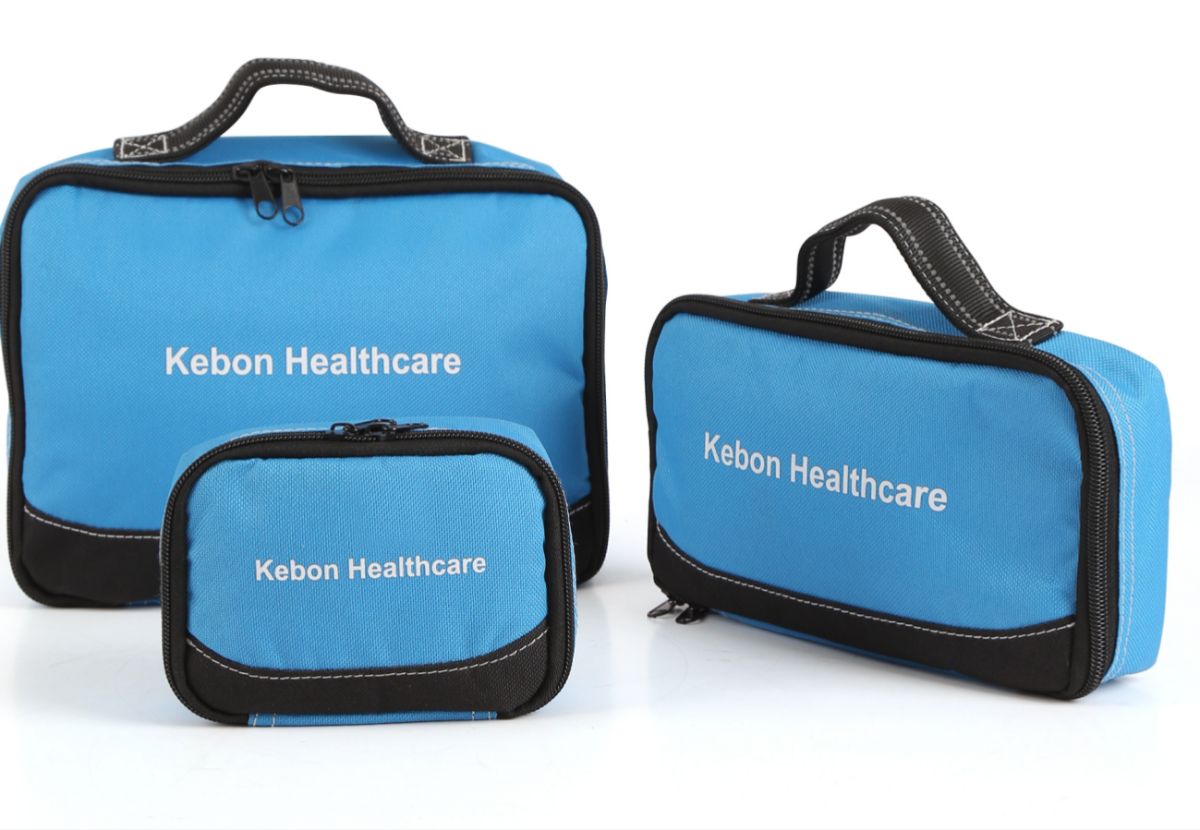
Stitching might look like a simple line of thread, but its failure often starts long before the seam actually splits. Cheap polyester thread breaks down under UV exposure, becoming brittle after a season in the sun. Cotton thread rots when damp, and even a tiny nick from a sharp edge can unravel a whole row. The bigger problem is tension: too tight and the fabric puckers, creating stress points; too loose and the stitches don't lock the layers together. When you see a seam burst open, it's rarely one catastrophic event—it's the slow accumulation of tiny thread fractures that finally give way under pressure.
Zippers fail in predictable but frustrating ways. The slider wears down from repeated use, losing its grip on the teeth, which is why an old zipper will slowly creep open on its own. Metal teeth can corrode or get bent, while plastic coil zippers suffer from cracked elements that refuse to interlock. Then there's the tape—the fabric strip holding the teeth—which can shrink or fray, causing the zipper to pucker and jam. Most people assume a broken zipper means replacing the whole thing, but nine times out of ten the fix is just a new slider or a realigned stop.
The real reason these components fail is that they're the highest-friction points on any garment or bag. Every time you sit down, bend over, or stuff a jacket into a pack, you're stressing the seams and the zipper track. Manufacturers rarely design for that repetitive strain over years; they test for a few hundred cycles in a lab, not the thousands of real-world twists and tugs. That's why a ten-dollar zipper on a hundred-dollar jacket can be the first thing to go—and why a hand-sewn seam with the right thread will outlast any factory lockstitch.
The Real Price of a Bargain Tent
You spot a tent for $29 and think you've beaten the system. Then the first night at a windy campsite arrives. The thin polyester stretches under every gust, the zipper snags on the rainfly, and the factory-sealed seams start weeping by 2 a.m. You're not saving money—you're just paying later, in a damp sleeping bag and a ruined trip.
Add up what it takes to make that bargain tent barely usable: a tube of seam sealer, a bottle of waterproofing spray, better stakes because the included ones bend like paperclips, a footprint to stop ground moisture, maybe a replacement pole sleeve. That's another forty or fifty dollars and a Saturday afternoon spent fixing something that should have worked out of the bag.
And then there's the safety factor. Fiberglass poles splinter without warning, and a sudden mountain storm can flatten the whole structure onto you. Cheap tents rarely carry a real warranty, so when the fly delaminates or the floor cracks, you're back at the store, buying another $29 tent. Spend a bit more once, and that tent will still be keeping you dry five years from now.
Buying Off-Season Without Compromising
A lot of people assume off-season shopping means settling for leftovers, but it’s actually the opposite when you know what to look for. The trick is to buy items with timeless silhouettes rather than chasing whatever was trendy six months ago. A well-made wool overcoat in July or a linen shirt in January will still work next season, and the discount is just a bonus for planning ahead.
The non-negotiable part is fabric and fit. Before the price drops, check the brand’s size chart or try on similar pieces in-store so you don’t end up with a “good deal” that never leaves your closet. Pay attention to materials like cotton, cashmere, or leather—cheap synthetics stay cheap no matter how deep the markdown is.
You can also dig into smaller labels or designer outlets that quietly clear out last season’s stock. Their pieces rarely scream a specific year because the designs lean classic, and the quality often beats high-street full price. Off-season buying should feel like you got exactly what you wanted, just a few months earlier and for less.
Suppliers That Make Sustainability Practical
Finding suppliers who treat sustainability as a daily operating principle rather than a marketing badge changes how smoothly green initiatives roll out. The most practical partners already track their own energy use, optimize delivery routes, and reuse packaging without being asked. This behind-the-scenes discipline means your procurement team spends less time auditing claims and more time scaling what works.
A supplier that makes sustainability practical also simplifies your decision-making. Instead of offering a maze of eco-certifications, they present clear data: recycled content percentages, water saved per unit, or emissions per shipment. When that information arrives in a format your logistics and finance teams can actually use, sustainability stops being a separate project and becomes part of normal sourcing conversations.
Look for partners who treat sustainability as a shared cost-saving tool. Those who reduce material waste often lower unit prices; those who consolidate shipments cut both carbon and freight spend. The best suppliers will proactively suggest changes—lighter packaging, alternative materials, returnable pallets—that make your own operations leaner while meeting environmental goals. That kind of practical mindset turns sustainability from a checklist into a genuine operational advantage.
Lightweight Gear That Won't Crumble Under Load
Most pack failures happen at the seams, not the fabric. A sub-700-gram trekking pole may feel feathery in the store, but if the locking mechanism is plastic and the shaft splinters on the third scree scramble, it's dead weight. Look for gear that pairs thin wall thickness with smart reinforcement—think 7075 aluminum with machined collars instead of cast ones, or carbon layups with extra wraps at the stress points. That's where load-bearing lightness actually lives.
Tents and packs get tested hard on ridgelines where wind loads shift constantly. The best lightweight designs don't just shave grams; they redirect force. A pack with a minimal frame sheet can carry 15 kg comfortably if the hipbelt wings are shaped to cup the iliac crest rather than squeezing your gut. Similarly, a one-pole tent can stand firm in 50 km/h gusts if the single spine is angled to shed wind instead of fighting it. Pay attention to load-transfer geometry, not just listed weight.
Hardware also matters. Tiny titanium stakes hold fine in most soil, but they'll pull loose in loose sand or duff. A mixed set—two Y-beams for the windward side, a couple of wide snow/sand pegs for the corners—adds under 40 grams and prevents a midnight collapse. The point isn't to pack your fears; it's to know which few pieces earn their place when the storm hits.
FAQ
Focus on material quality, warranty terms, and real customer reviews. A supplier that clearly states fabric specs and offers repair services is usually a safer bet than one relying on flashy ads.
Yes, brands like Decathlon and REI Co-op have solid entry-level gear without the premium price. Their in-house labels often match mid-range performance at a fraction of the cost, especially for basics like tents and sleeping bags.
For serious alpine use, look at companies like Mountain Hardwear, Rab, or Arc'teryx. They use higher-grade insulation and weatherproofing, and their design details—like helmet-compatible hoods—really matter above treeline.
Online-only shops often offer lower prices and a wider range, but you lose the chance to handle gear before buying. Traditional retailers like REI or local outfitters let you test fit and ask staff questions, which can prevent expensive mistakes.
Patagonia and Fjällräven are known for recycled materials and repair programs. Smaller brands like Nemo and Big Agnes also emphasize eco-friendly fabrics and fair labor practices, though you'll usually pay a bit more for that transparency.
For kayaking or SUP, check out NRS and Kokatat. They specialize in drysuits, PFDs, and river accessories, and their customer service tends to be knowledgeable about actual river conditions.
Gossamer Gear and Hyperlite Mountain Gear are popular with thru-hikers. They focus on minimalist designs using Dyneema and high-tenacity nylon, and their gear often weighs half of traditional equivalents.
Direct purchases sometimes include exclusive warranty perks and earlier access to sales, but third-party retailers may have better return policies or bundle deals. I'd check both before committing, especially for big-ticket items like tents or down jackets.
Conclusion
When you're piecing together an outdoor kit that won't let you down, the supplier matters as much as the gear itself. A shop that actually knows your local trails can steer you away from generic picks and toward equipment that holds up on the rocky, muddy routes you'll actually hike. I've learned the hard way that stitching and zippers are where most packs and tents fail first—look closely at seam reinforcement and whether the zipper is a name-brand like YKK, not some flimsy knockoff. That bargain tent might look fine on a shelf, but by the second windy night you'll understand its real price: a collapsed pole, a soaked sleeping bag, and a trip cut short. Smart adventurers buy off-season, but only from suppliers who store inventory properly and don't dump damaged returns on you when demand drops.
Sustainability no longer means scratchy fabrics and extra weight; forward-thinking suppliers now stock gear that's both practical and responsibly made, from recycled ripstop shells to PFC-free waterproofing that actually works. Lightweight options demand special attention—an ultralight tent or pack should still survive a full load without ripping at the shoulder straps or bending tent poles under pressure. Ask about load ratings, fabric denier, and real-world testing, not just grams on a spec sheet. The best suppliers mix honest guidance with a curated range, so you can assemble a kit that matches your local conditions, budget, and tolerance for risk without buying gear twice. In the end, your gear list should feel less like a marketing checklist and more like a set of tools chosen with someone who's actually been out there.
Contact Us
Contact Person: Andy Yu
Email: [email protected]
Tel/WhatsApp: +86 19858933676
Website: https://www.kebonfirstaid.com