

Top Stand Up Pouch With Valve: The Ultimate Packaging Solution for Freshness and Convenience
2026-05-18
If you’ve ever struggled with stale coffee or soggy snacks, you know the pain of poor packaging. Enter the top stand up pouch with valve, a game-changer that locks in freshness while offering unbeatable convenience. At Kody, we’ve refined this design to meet the demands of modern brands and conscious consumers. Join us as we explore why this sleek, functional pouch is becoming the go-to choice for everything from gourmet coffee to organic granola — and how it can elevate your product’s shelf appeal.
What Makes a Stand-Up Pouch With a Valve So Special?
The standout feature of a stand-up pouch with a valve is its ability to preserve freshness by allowing natural degassing while blocking external air and contaminants. This one-way valve is crucial for products like coffee beans, which release carbon dioxide after roasting, as it prevents the bag from bloating or bursting without letting oxygen in to degrade the contents.
Beyond functionality, the valve enhances user convenience by maintaining the pouch’s upright structure, making storage and display effortless. The pouch’s design also maximizes shelf appeal, with a flat bottom that provides a stable, front-facing surface for branding, while the resealable zip or slider often included keeps the product safe between uses.
What truly sets these pouches apart is the thoughtful combination of performance and aesthetics. From textured finishes to transparent windows, manufacturers can tailor every element to suit the product inside, creating a packaging solution that not only extends shelf life but also elevates the consumer’s experience long before the first use.
Freshness Locked In: How the Valve Works Its Magic
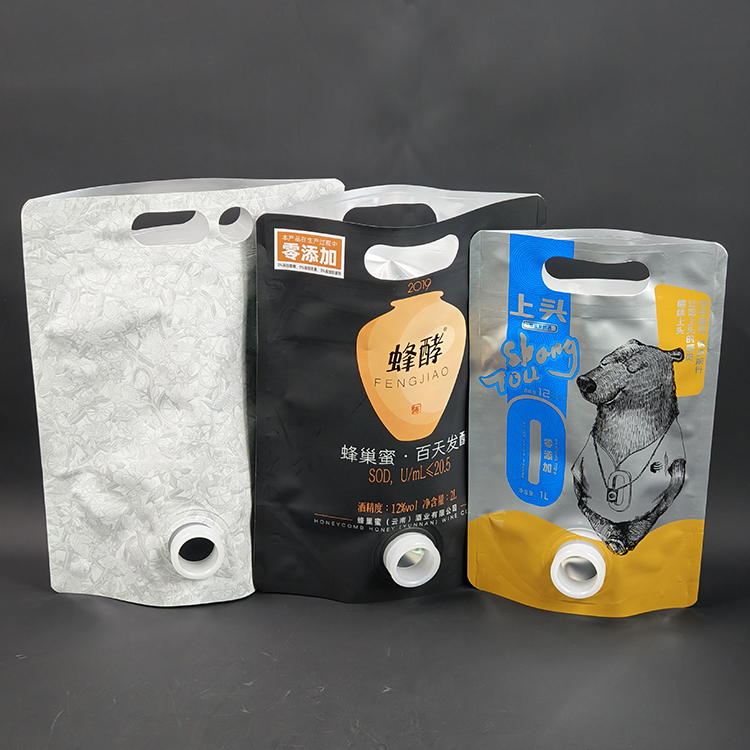
Ever wonder why your coffee stays aromatic weeks after opening? It’s not magic—it’s the one-way degassing valve. Freshly roasted beans release CO2, and without an exit, that gas builds up, threatening to burst the bag or stale the contents. The valve lets this excess gas escape while blocking outside air from sneaking in, so oxygen never gets a chance to degrade the delicate flavors you love.
Picture a tiny silicone membrane tucked into the packaging, acting like a vigilant gatekeeper. When internal pressure rises past a certain point, it flexes open just enough to vent the CO2, then seals back instantly. No buttons, no whistles—just a simple, purpose-driven design that keeps your coffee in peak condition from the roastery to your kitchen counter.
Real-World Uses That Go Beyond Just Coffee
Many people see coffee grounds as a one-way ticket to the compost bin, but their gritty texture and mild acidity unlock a surprising range of household helpers. Beyond the morning brew, spent grounds can be dried and used to scrub stubborn grease off pots and pans—they’re abrasive enough to tackle baked-on residue without scratching surfaces. Mix them with a bit of coconut oil to create a natural exfoliant for hands and feet, sloughing away dead skin while the caffeine may temporarily boost circulation. Even garden pests think twice before crossing a line of coffee grounds; slugs and snails detest the rough terrain, making it a gentle barrier around your prized plants.
Step into the kitchen and you’ll find coffee playing undercover chef. A pinch of finely ground espresso in a dry rub adds depth to grilled steak or roasted vegetables, not by shouting “coffee,” but by amplifying savory, smoky notes. Leftover black coffee works magic in chocolate-based recipes: replace a few tablespoons of water with cooled coffee in brownie batter, and the result is richer, darker, and somehow more complex. Meanwhile, a small dish of dried grounds tucked into the fridge acts as a quiet odor neutralizer, absorbing the stale smells that cling to shelves after last night’s leftover onions.
Beyond the home, coffee’s second act stretches into craft and care. Mixed with glue and water, fine grounds stain paper and fabric with a warm, sepia tint—perfect for aging maps, vintage labels, or handmade journal pages. Woodworkers use a similar brew to darken soft woods like pine, giving cheap lumber an antique patina without harsh chemical stains. Even your morning routine can get a subtle upgrade: chilled coffee ice cubes dropped into iced lattes prevent gradual dilution, keeping the flavor bold from first sip to last. These repurposings don’t just reduce waste; they invite a kind of quiet creativity that sees a simple bean as more than a caffeine delivery system.
Design That Stands Out on Any Shelf
A shelf is a battlefield of visual noise. Your design cuts through by embracing a color palette that’s deliberately unexpected—think muted neon or earthy vibrancies that don’t shout but hum with confidence. Add a silhouette that refuses to be a rectangle; an asymmetric curve or a playful geometric interruption makes the eye pause and lean in.
The second a hand picks it up, the story deepens. A matte finish that feels like stone, or a soft-touch coating that warms to the skin, turns a passive glance into a tactile conversation. This physical dialogue isn’t just memorable—it triggers a subtle instinct to own it, right there in the aisle.
Even the smallest choices—like the way a label’s typography dances off-center or how a cap clicks shut with a satisfying snap—signal intention. These details don’t scream for attention. They whisper that this is made with care, and that makes all the difference when surrounded by the ordinary.
The Convenience Factor: From Storage to Serving
Maybe you’ve experienced the frustration of rummaging through cabinets for matching lids, or pulling out a heavy casserole dish only to realize it’s chipped. Convenience isn’t just about speed—it’s about a seamless flow from the moment you put away groceries to the moment you set the table. When your storage solutions double as serving ware, you cut out extra steps and keep the focus on the meal.
Think of a set of nesting bowls that stack neatly in a corner cabinet but look beautiful enough to bring straight to the dinner table. Or a cast-iron skillet that goes from stovetop to oven to trivet without missing a beat. By choosing pieces that work across multiple stages, you reduce clutter, save time on washing up, and create a more relaxed rhythm in the kitchen.
It’s also about the small details—containers with airtight seals that keep ingredients fresh longer, handles that stay cool, lids that are easy to find and fit. These might seem minor, but they add up to a kitchen that supports you rather than works against you. When storage is smart and serving is simple, the whole cooking experience becomes less about logistics and more about the joy of sharing food.
Choosing the Right Pouch for Your Product
When deciding on a pouch, start by thinking about what you're actually putting inside. A bag for coffee beans has very different demands than one for liquid detergent. Consider the product's sensitivity to light, moisture, and oxygen, and whether it needs to be kept shelf-stable for months. The barrier properties of the material—how well it blocks out air or holds in fragrance—will directly affect freshness and shelf life. There’s no point in a gorgeous design if the product inside goes stale in a week.
The closure mechanism matters more than most brands realize. A resealable zipper adds daily convenience for granola or pet treats, but it can feel flimsy on premium cosmetics. A press-to-close track works well for fine powders, while a tear notch and heat-sealed rim might be enough for single-use items. Think about the unboxing ritual: a smooth, one-handed open can subtly elevate the consumer’s experience without costing more per unit.
FAQ
It's a flexible pouch that stands upright on its own, equipped with a one-way valve that lets gases escape without letting air in, preserving the contents inside.
The valve actively releases building pressure from products like coffee beans while blocking oxygen from entering, which directly extends shelf life and keeps aromas intact.
Coffee, tea, dried foods, pet treats, and even fermented goods like kimchi are perfect candidates because they either release gases or need protection from moisture and air.
It's a simple one-way system—when internal pressure rises, the valve opens to let gas out and then seals shut, so no air can leak back in.
Absolutely, they stand up straight on shelves, take up less space than rigid containers, and often come with resealable zippers for repeated use.
Many brands now offer recyclable or biodegradable options, though it's wise to check the specific material used, as not all valves are eco-friendly yet.
It's lighter, often uses less material, preserves freshness better thanks to the valve, and gives a modern look that stands out on retail shelves.
Conclusion
A stand-up pouch with a valve isn't just another container—it's a clever piece of engineering that transforms how products stay fresh and get used. The one-way degassing valve is the real hero, releasing built-up gases without ever letting air back inside, so coffee stays aromatic, snacks retain their crunch, and fermented goods don't burst. It's not just about coffee beans either; pet treats, protein powders, and even granola maintain their quality longer, cutting down on waste and disappointing flavor fade. This active freshness management makes the pouch feel less like a package and more like a guardian of the product inside, proving itself essential for anyone who values the original taste and texture of what they buy.
Beyond function, the visual and practical perks are impossible to ignore. With generous front panels, brands can print designs that grab attention without extra display tricks, and the flat bottom means it stands proudly on shelves instead of flopping over. At home, the resealable zipper changes the game—pouring is clean, storage is simple, and the pouch gets smaller as it empties, taking up minimal cabinet space. When picking the right one, consider barrier needs, size, and how strong the closure feels; a well-chosen pouch feels so intuitive that you almost forget it's doing half the work for you. It's the kind of packaging that quietly improves everyday routines, marrying practical use with that satisfying feeling of keeping things just right.
Contact Us
Contact Person: Cindy Lee
Email: [email protected]
Tel/WhatsApp: 8613622669331
Website: https://www.dgkody.com