

Unstructured Running Caps Supplier Guide for Custom Orders and Quality
2026-09-28
Finding a reliable supplier for unstructured running caps isn’t just about low prices—it’s about consistent quality, smart customization, and a partner who understands your brand’s needs. 4ugear has built a reputation for exactly that, and in this guide we’ll walk through the key factors to consider before placing your next custom order. From fabric breathability to logo placement, you’ll see what separates a mediocre cap from a standout one that runners actually want to wear.
What to Check Before You Sign With a Running Cap Supplier
Before you put pen to paper, ask for a handful of physical samples, not just digital renders. Run your fingers along the seams, give the brim a firm bend, and wear one on a sweaty run if you can. The difference between a cap that holds up and one that frays after ten washes often comes down to stitch density, sweatband material, and how well the closure system stays put without digging into your head.
Next, dig into the supplier's actual production track record. Ask for lead times on repeat orders, not just the first run, and find out their minimum order quantity for custom colors or reflective trims. If they hesitate to share references from other running brands or can't explain how they handle rush periods, that's a red flag. You want a partner who can scale with you when your seasonal demand spikes.
Finally, verify material compliance and return policies in writing. Sweat-wicking fabrics and reflective elements often need to meet specific safety or chemical standards depending on where you sell. A trustworthy supplier will provide test reports for UV protection, colorfastness, and restricted substances without you having to chase them. Also get clear terms for defective caps, because even good factories slip up, and knowing how they handle replacements can save you a costly headache later.
Soft Crowns and Sweatbands: Getting the Materials Right
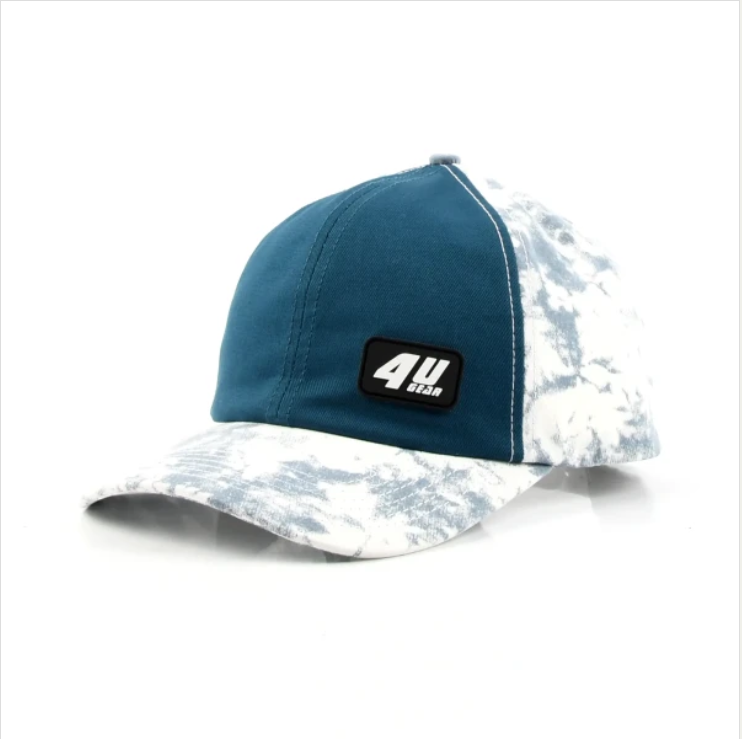
When a cap sits against your forehead for hours, the difference between comfort and irritation comes down to fabric choice. Soft crowns made from brushed cotton or a cotton-modal blend breathe better than stiff polyester, and they don't leave that red line after a long day. Sweatbands are the real workhorse though—look for a band lined with terry cloth or a moisture-wicking knit rather than a thin strip of foam. Those cheap foam inserts flatten after a few wears and trap heat, while a decent sweatband actually pulls moisture away from your skin.
Another thing people overlook is how the materials interact. A soft crown with a rigid, sandpapery sweatband defeats the purpose. The best caps use a brushed inner seam where the crown meets the band, so there's no scratchy edge rubbing against your temple. If you're buying a structured cap, check whether the buckram has been padded with a thin layer of foam or felt—that small detail keeps the front panel from digging into your forehead when you tilt your head down.
Ultimately, getting the materials right means paying attention to the parts you don't see. Flip the cap inside out before buying. Run your fingers along the sweatband stitching. If the band feels stiff or the crown interior feels plasticky, it probably won't get better after a wash. Go for natural fibers or high-quality synthetics with a soft hand, and you'll notice the difference by the end of the first week, not just in the mirror but in how often you actually reach for that cap.
Customization Without the Back-and-Forth: Logos and Colors
Upload your logo once and it becomes the visual anchor for your entire storefront. The system reads the dominant shades from the file and immediately proposes a palette that feels like a natural extension of your brand—no endless color wheels, no mockups sent back and forth for approval.
Adjusting is just as direct. Pick a new accent color and watch buttons, links, and banners update in real time across every page. Everything lives on one screen, so by the time you hit save, you've already previewed exactly what your customers will see.
For teams with strict brand guidelines, there's a manual override: drop in hex codes or select from existing swatches. Either way, you get a cohesive look without relying on email chains or waiting for a third round of revisions.
Minimums, Timelines, and the Real Cost of Small Orders
Low order minimums sound like a favor until you see the setup charge buried on page two. A factory might agree to make fifty pieces, but the cost to configure the machine, calibrate the tooling, and run a tiny batch gets spread across fewer units—so each piece carries a heavier share of the overhead. That's before you factor in material waste from trial runs or the premium for sourcing small quantities of raw inputs. The per-unit price can easily double or triple compared to a standard run, even when the headline rate looks forgiving.
Timelines tell a similar story. Small orders rarely get priority on the production floor; they're squeezed between larger, more profitable jobs. A "5–7 day lead time" becomes two weeks because your order waits for a machine that's already set up for something else. And when a factory does accommodate a rush, the expedite fee often outweighs the savings you thought a small order would bring. The real cost isn't just the invoice—it's the delay in your own supply chain while you wait for a batch that was never the factory's first choice.
Quality Checks That Catch Seam and Fit Issues Early
Once the first few garments come off the line, it's tempting to check only the obvious measurements and move on. But seam and fit problems usually start small—a slight twist at the side seam, a shoulder that pulls just enough to gap at the neckline. Catching these early means inspecting the pieces while they're still in production, not after a full run has been packed. Compare the sewn garment against the approved sample at each station, especially where curved seams meet straight edges. If a seam ripples or a hem flips outward, stop and fix the pattern or the folder before it repeats across every size.
Try the garment on a fit model or a well-padded dress form as soon as the first complete sample is assembled. Don't rely only on flat measurements—some fit issues, like a crotch seam that cuts in or a sleeve that rotates forward, only show up when the garment is worn. Mark any drag lines, tightness, or gaping directly on the sample with pins or chalk, then take photos and note the exact adjustment needed. This step is far cheaper than discovering the same problem on a finished order, where altering the seam allowance may mean recutting hundreds of pieces.
Finally, give the sewing line a simple checklist that focuses on the most common failure points: seam allowance consistency, needle damage on stretch fabrics, skipped stitches at thick intersections, and properly trimmed corners. Have the inline checker pull garments off the line every hour, not just at the end of the day, and compare them to the spec sheet. If a seam is even 2 mm narrower than specified, it can change how the whole garment hangs. Frequent, small checks at the source will save you from a final audit that finds the same seam issue on every single piece.
Sampling Rounds That Save You From Bulk Order Disasters
Ordering in bulk feels like a smart move until a thousand units arrive with the wrong finish or a stitching flaw you never saw in the mock-up. Sampling rounds break that risk into small, manageable steps. You get to hold a single piece, test its weight, feel the texture, and check every seam before committing to a full production run. It’s the difference between catching a loose thread on one sample and unraveling an entire shipment.
Think of it as a conversation with your manufacturer. First sample might reveal a color that’s slightly off or a material that wrinkles too easily. You send notes, they adjust, and a second sample lands in your hands. Each round tightens the details until the product matches what you actually pictured. Skipping this loop because you’re in a hurry usually means paying for it later with returns, complaints, or a warehouse full of items you can’t sell.
Smart buyers treat sampling not as an extra cost but as cheap insurance. A few rounds might add a week or two, but they save you from the real disaster: discovering a fatal flaw after the cargo ship has already left port. When the final bulk order arrives and it’s exactly what you approved, that’s not luck. That’s the result of patient, deliberate sampling rounds.
FAQ
An unstructured cap skips the stiff buckram backing in the front panels, so the crown sits lower and molds to the runner's head. For custom orders, that means the fabric choice and seam finishing become much more visible, and a good supplier will guide you toward lightweight, moisture-wicking materials instead of just applying your logo to any stock cap.
Look closely at the sweatband stitching, the brim curvature, and the inside seam tape. The sweatband should lie flat without twisting, the brim should hold a gentle curve without deforming the front panel, and interior seams should be covered or at least trimmed neatly. If those are sloppy, the bulk run won't get better.
Most suppliers land between 50 and 300 pieces per colorway, but some workshops that specialize in sewn caps can run as low as 25 pieces for a first trial. The lower the minimum, the more you'll pay per cap, and you may need to accept stock fabric colors unless you commit to a dye lot.
Embroidery works well on unstructured crowns if the backing is light and the stitch count is kept moderate, otherwise the logo can feel stiff. Heat transfer and flat silicone patches are also popular because they flex with the fabric. Avoid heavy puff embroidery or thick rubberized prints on the front panel—they can drag the crown down and look bulky.
Ask for physical fabric swatches, not just digital photos. A reliable supplier will send a swatch card from their current mill stock, and you can request lab-dip approval for custom dyeing. Keep in mind that polyester ripstop and brushed polyester can look different under daylight versus gym lighting, so review swatches in both if possible.
For a standard design with stock fabric, expect about 25 to 35 days after sample approval. If you need custom woven labels or custom dyed fabric, add two to three weeks. International shipping can stretch that by a week or more, so order before your busy season rather than trying to rush a 10-day turnaround—those usually sacrifice sewing quality.
Yes, most serious suppliers will make a pre-production sample, often for a fee that gets credited back on the bulk order. It's absolutely worth it. A sample lets you catch fit issues, check how the logo sits on the curved front, and confirm the sweatband comfort before hundreds of caps are cut and sewn.
Conclusion
Before locking in any running cap supplier, take a hard look at their track record with unstructured silhouettes—ask for physical samples early, not just spec sheets. Pay close attention to how they source soft crown fabrics and sweatbands; a cap that feels stiff or wicks poorly will kill repeat orders. Logos and colors should never become a drawn-out negotiation. The best suppliers show you pantone-matched thread or heat-transfer proofs in the first round, and they update you without chasing. On the money side, don't let low minimums fool you. Small batches often hide setup fees, surcharges for custom labels, or longer lead times that wipe out the margin. Get a line-by-line quote that includes sampling, freight, and any penalty clauses for late delivery.
Quality control is where most unstructured caps fall apart, literally. Inspect the seams around the crown and brim—uneven stitching or skipped bartacks show up fast after a few sweaty runs. Ask the supplier how they test fit on different head shapes; a cap that bags at the temples or slips during a stride is a return waiting to happen. Never skip sampling rounds. A single pre-production sample isn't enough; you need a revised sample after any fabric or pattern change, then a final top-of-production piece to lock in what you'll actually receive. If the supplier resists a third sample or charges an unreasonable fee for it, walk away. Done right, these checks turn a custom running cap from a gamble into a dependable product that runners will reorder.
Contact Us
Contact Person: Tommy
Email: [email protected]
Tel/WhatsApp: 8613546956008
Website: https://www.4ugearsupply.com/