

Zipper Box Manufacturer: How to Choose the Right Packaging Partner
2026-09-12
Selecting the right zipper box manufacturer can feel overwhelming, yet it's the quiet backbone of your product's first impression. From durability to turnaround time, every detail matters more than you might expect. At Kuaijie Carton, we've seen firsthand how the wrong packaging partner can unravel even the best-laid plans. But what actually separates a reliable supplier from a costly mistake? Before you commit to a contract, let's unpack the factors that truly define a smart packaging decision — and why brands that overlook them often pay twice.
Look Past the Sample: What Arrives in Your First Bulk Order
The sample you approved was a promise, not a contract. Bulk production runs on tight deadlines, last-minute material substitutions, and tired hands. Stitching can wander half a millimeter, dye lots shift a shade darker, and the reinforced corner you praised may show up as a single stitch on every third unit. Expect at least 3–5 percent of pieces to show minor defects—loose threads, uneven gluing, scuffed edges—even from a reliable factory. The real question isn't whether differences appear, but whether they stay within a tolerance you can actually sell.
Your first bulk order also brings packaging you never saw. Internal wraps may be thinner, hang tags might be printed on cheaper stock, and the box dimensions might vary enough to throw off your freight estimate. Count everything within 24 hours of delivery. Document flaws with photos before you touch a single unit, then negotiate a credit per defective piece rather than demanding a full redo. A good supplier fixes the next run, not this one.
The Real Cost of 'Cheap' Zipper Boxes
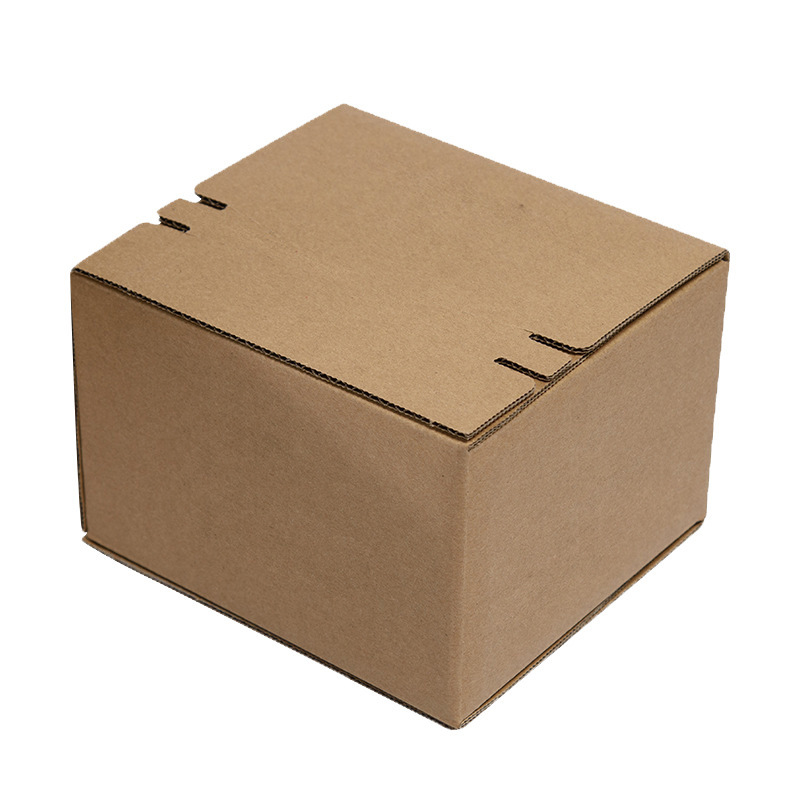
A $0.30 zipper box might seem like a win on paper, but the savings evaporate the first time a customer struggles to reseal it. The thin plastic track skips teeth, the zipper pull snaps off in their hand, and suddenly your product is sitting in a half-open box on a store shelf. That's not just a packaging failure—it's a brand impression you can't undo.
Then there's the return rate. Cheap zipper boxes often arrive crushed or warped because the cardboard stock is too light to survive shipping. The customer opens the mailer, sees a dented corner, and immediately files for a refund. You've saved a few cents per unit and lost the entire order. Factor in the cost of replacement packaging, customer service hours, and the environmental waste of a product that goes straight to landfill, and that "cheap" box costs more than any premium alternative.
The real test happens in the warehouse. Low-quality zipper boxes don't stack cleanly; they bow outward, catch on conveyor belts, and jam automated packing lines. Workers waste time taping edges or manually re-zipping boxes that should have sealed themselves. Those labor minutes add up fast—often exceeding the initial savings within the first production run. When you account for the whole lifecycle, a sturdy, well-made zipper box is the only genuinely cheap option.
Which Materials Hold Up After Shipping and Handling
Double-wall corrugated boxes are the workhorses for a reason, but the real test is how they handle being stacked under three other cartons after a 48-hour truck ride. Single-wall board tends to soften at the corners, especially in humid conditions, while double-wall keeps its shape and protects the contents without adding much weight. For anything flat and somewhat rigid, a chipboard mailer beats a standard envelope every time, because it resists the kind of bending that happens when a package gets wedged under heavier freight.
Poly mailers get a bad rap for tearing, and the cheap ones do. Step up to a 3-mil or 4-mil polyethylene version and the story changes. The surface shrugs off conveyor scuffs and light rain, though it still won't stop a sharp metal edge from poking through. That's why padded mailers or wrapping the item's corners with honeycomb paper makes a practical pairing instead of relying on the outer layer alone.
Void fill often decides whether a box survives the trip, not just whether the product inside does. Loose fill peanuts drift to the bottom and leave empty space up top, but interleaved kraft paper or a molded pulp insert locks the item in place. For heavier loads, foam-in-place or corrugated partition inserts reduce the flex that causes seams to split open during rough handling.
Customization Limits Every Buyer Should Test
When you're ordering a custom piece, don't assume the configurator tells the whole story. Some sellers quietly cap what can actually be produced — a certain fabric might only come in three shades, or a table might max out at 80 inches even though the dropdown shows 120. Spend ten minutes pushing every limit: change the quantity to the highest number, swap the finish to the least popular option, and click through every material tab. If an option disappears or the page reloads with a warning, you've found a boundary worth asking about before you pay.
Another overlooked limit is turnaround time. A seller may advertise "fully customizable," but rush orders often force you back to stock choices. Test this by adding a three-day production window to your cart and watching what happens to the options. If the custom engraving field grays out or the only available wood becomes pine, that's a real limitation. Also ask whether changes after order confirmation are allowed — many shops lock the design immediately, so a small tweak becomes a full cancellation.
Lead Times: Why They Slip and How to Pin Them Down
Lead times rarely collapse all at once. They erode in small, quiet ways: a supplier quietly extends its own upstream wait, a production step sits idle because raw stock was ordered three days late, a customs check adds a week that no one budgeted for. Most teams don't notice until the delivery date is already fiction. To pin down a lead time, start by mapping every handoff—not just the big milestones. Ask where the work actually waits, not just where it moves. You'll often find that 60–70% of the total time is waiting, and that waiting time is far more elastic than the processing steps.
Once you can see each waiting point, attack the two main causes of slippage: variability and batching. Variability shows up as sudden supplier delays, machine breakdowns, or approval queues that stretch when one person is on leave. Batching creates artificial idle time because parts or orders wait until a "full" run is justified. A practical fix is to shorten the feedback loop: update lead times weekly based on actual queue lengths, not quarterly from a spreadsheet. Also split large orders into smaller releases, even if it costs a bit more per unit. The goal isn't a perfect forecast—it's to make the lead time honest enough that your team can plan around it instead of constantly firefighting.
Questions That Expose a Manufacturer's Weak Spots
A single well-aimed question can reveal more about a manufacturer than a stack of glossy brochures. Ask about their tolerance for last-minute design changes, and watch how quickly the confident sales pitch shifts to hedging. Do they have a clear process for handling mid-run material substitutions? If the answer is vague, you've found a weak spot. The best partners welcome tough questions because they already know the answers.
Probe their failure recovery. What happens when a batch doesn't meet spec? A strong manufacturer will walk you through their root-cause analysis, quarantine procedures, and corrective action plan without flinching. A weak one will blame the raw material supplier or insist it has never happened. That denial is a red flag. You want a factory that treats every defect as data, not as a personal insult.
Finally, ask how they handle unexpected volume spikes. If they mention overtime and "we'll make it work," that's not a plan; it's a prayer. Real capacity planning includes backup lines, cross-trained staff, and a clear communication protocol for when lead times must extend. When a manufacturer can answer these questions with specific examples and numbers, you're not just vetting them—you're building the foundation for a relationship that survives real-world pressure.
FAQ
Check whether they handle die-cutting, lamination, and zipper attachment in-house rather than outsourcing. A manufacturer with integrated processes can better control timelines and consistency, and they are more likely to catch defects before shipping.
Ask for physical samples and check the board thickness, tear resistance of the zipper track, and how smoothly the pull tab slides. Request the manufacturer's material certifications, and if possible, visit the facility or ask for a video tour of their raw material storage.
Many buyers focus only on the lowest quote and overlook the supplier's experience with complex zipper mechanisms. Another mistake is skipping a soft proof or prototype, which often leads to misaligned prints or a zipper that jams after a few uses.
Inquire about their design support process: do they have in-house structural engineers who can adjust the box dimensions and zipper placement? Ask for case studies or photos of previous custom projects that are similar to the shape or size you have in mind.
Clarify whether the stated lead time includes proof approval, production, and loading. Ask how they handle delays in raw material supply and if they have backup logistics partners for different regions.
It is increasingly a deciding factor for end users. Check if the manufacturer offers recycled board, soy-based inks, or plastic-free zipper alternatives, and confirm that their certifications are current instead of just relying on a green logo.
The print is often the first thing a customer notices, so inconsistent color or fuzzy text can make the whole package feel cheap. Ask for color consistency reports from recent runs and test how the print holds up around the zipper edge where friction is highest.
Break down the quote into materials, tooling, printing, and assembly rather than comparing only the total. A slightly higher unit cost may be justified if the manufacturer includes reinforced zipper ends or uses a denser board that prevents warping.
Conclusion
A glossy sample rarely tells you what lands on your loading dock. Ask for photos or a pilot run from the exact production line that will handle your bulk order, because mismatched glue lines, flimsy zipper tracks, and cardboard that softens in humidity often show up only at scale. Cheap boxes tend to hide their real price in returns, repacking labor, and damaged product claims—so compare not just unit cost but the total cost of a failed shipment. Materials matter after the box leaves your facility: a clay-coated kraft may look sharp in a catalog but scuff badly in transit, while a poly-lined interior can protect against moisture without adding much weight. Test samples by mailing them to yourself, not just by flexing them in your hands.
Customization is where many factories silently narrow their options—minimum order quantities, plate charges, or a limited die library can force you into a box that doesn't fit your product. Before committing, send a dimensional drawing and ask for a physical proof of the exact substrate, zipper strength, and print registration you expect. Lead times slip for predictable reasons: raw paper stock shortages, holiday scheduling, or a factory that overbooks small clients to chase larger ones. Pin down a date by requesting a production schedule with milestones, not a vague 'three to four weeks.' Finally, ask questions that reveal weak spots, such as how they handle a batch with faulty zippers or who owns the die if you leave. A manufacturer that answers clearly, admits past mistakes, and offers a written remedy plan is worth far more than one that promises perfection.
Contact Us
Contact Person: Tan Xiang
Email: [email protected]
Tel/WhatsApp: 8613798906863
Website: https://www.dgkjzx.com