
How Can Ladle Heater Performance Reduce Heat Loss and Improve Foundry Output?
2026-04-20
When I evaluate heat management in a foundry, I do not just look at the furnace. I look at every step where temperature can be lost, process stability can drift, and product quality can quietly suffer. That is exactly where Qingdao Kaijie Heavy Industry Machinery Co., Ltd. enters the conversation in a natural way. In practical production, a well-designed Ladle Heater is not simply an accessory beside the line. It is a working part of a stable pouring system, helping foundries prepare ladles more consistently before molten metal is transferred. In my view, when buyers want fewer surprises, cleaner operations, and better thermal control, investing in the right Ladle Heater becomes a very sensible decision.
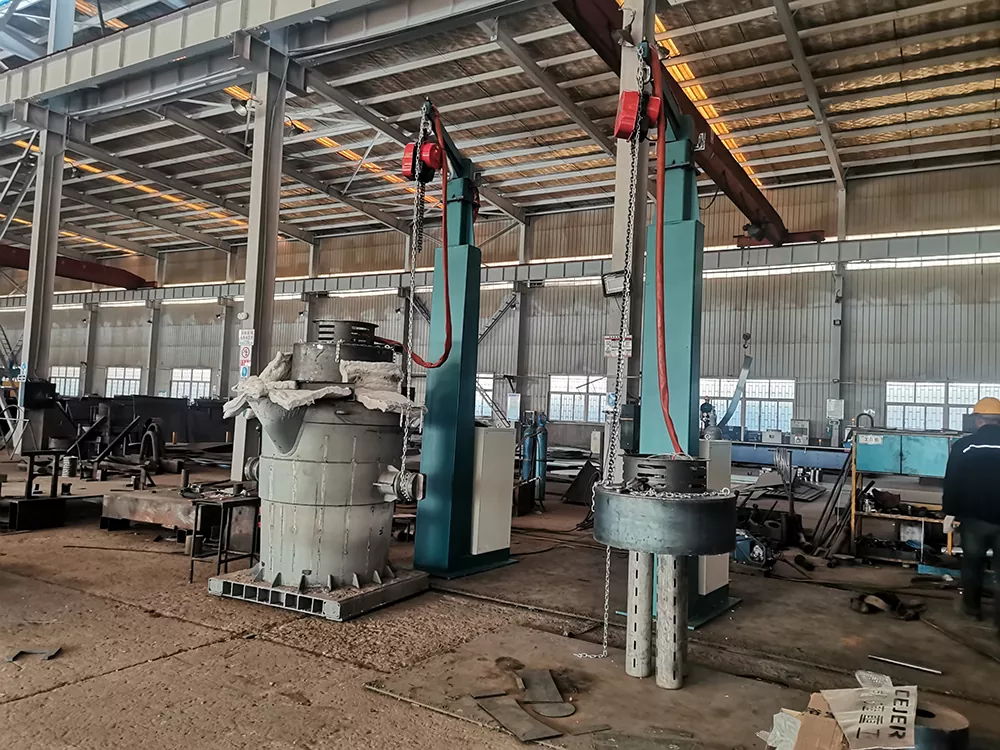
I have seen many manufacturers focus on melting capacity while paying too little attention to ladle condition. That gap creates avoidable problems. If the ladle is not properly heated and conditioned before use, thermal shock, unnecessary temperature drop, moisture risk, and inconsistent pouring performance can all show up later in the process. A reliable Ladle Heater helps solve those issues at the source. It supports smoother preparation, steadier casting work, and more predictable production planning, which is exactly what buyers care about when they compare equipment options.
What Problems Do Foundries Face Without a Reliable Ladle Heater?
I think this is the first question any serious buyer should ask. Many foundries already know they need ladle preheating, but they do not always calculate the hidden cost of doing it poorly. Traditional or inconsistent heating methods may appear workable in the short term, yet they often create a chain of production issues that are expensive over time.
- I often see uneven heating create unstable ladle conditions before pouring begins.
- I also notice that poor moisture removal can increase operational risk and reduce confidence during transfer.
- Another common issue is unnecessary heat loss, which makes downstream temperature control harder.
- When ladle preparation is inconsistent, refractory life can suffer and maintenance frequency can rise.
- Production teams may also struggle with scheduling because manual or outdated heating methods are harder to standardize.
From a purchasing perspective, these are not minor inconveniences. They affect yield, labor coordination, maintenance planning, and customer delivery reliability. That is why I regard a modern Ladle Heater as a productivity tool rather than a simple heating device.
Why Does a Modern Ladle Heater Matter for Daily Production Control?
What makes modern equipment more valuable is not just that it heats a ladle. It is that it helps me control the heating process in a more repeatable way. In real manufacturing, repeatability is what protects both quality and margins. A thoughtfully engineered Ladle Heater can help standardize preheating conditions, reduce operator guesswork, and support a cleaner workflow from ladle preparation to pouring.
That matters because foundries do not buy equipment only for technical reasons. They buy it to make operations easier to manage. I would always prefer a system that helps operators work with clearer process targets, more stable temperature preparation, and less dependence on improvised heating habits. Those practical improvements can make a big difference over months of continuous production.
| Operational Concern | Common Result with Inconsistent Heating | Expected Benefit with a Better Ladle Heater |
|---|---|---|
| Ladle readiness | Variation from batch to batch | More repeatable preheating conditions |
| Heat retention before pouring | Faster temperature drop | Better thermal preparation for transfer |
| Operator workload | More manual judgment and intervention | Clearer, easier process control |
| Maintenance pressure | Higher stress on ladle lining and components | More stable usage conditions over time |
| Production scheduling | Delays caused by uneven readiness | Better alignment with pouring plans |
How Do I Judge Whether a Ladle Heater Is Worth Buying?
I do not judge equipment by brochure language alone. I judge it by whether it answers real operating questions. Can it fit my production rhythm? Can it help reduce avoidable loss? Can it support safer and more consistent ladle preparation? Can my team use it without unnecessary complexity?
When I compare suppliers, I usually look at the following points:
- How well the equipment matches the size and working style of the ladles in use
- Whether the heating approach supports efficient and stable preparation
- How easy it is for operators to handle daily operation and monitoring
- Whether the design supports long-term maintenance and service access
- How clearly the supplier understands foundry workflow instead of only selling machinery
- Whether the system can support cleaner and more controlled heating conditions
This is one reason buyers often look closely at manufacturers such as Qingdao Kaijie Heavy Industry Machinery Co., Ltd.. In equipment sourcing, I value suppliers that understand the process behind the product, not just the product itself. A good Ladle Heater supplier should be able to discuss workflow, operating environment, project matching, and long-term usability in practical language.
Which Benefits Make a Ladle Heater More Than Just Heating Equipment?
I think the strongest equipment choices are the ones that create value in several directions at once. A strong Ladle Heater does not only serve the heating stage. It influences energy use, process reliability, labor efficiency, and product consistency. That wider impact is what makes it a strategic purchase rather than a routine one.
Here is how I usually explain the value to a procurement team or plant manager:
- It helps prepare ladles in a more controlled way before they enter active use.
- It supports smoother transfer conditions by reducing avoidable thermal instability.
- It can make the working environment more organized by replacing rougher heating practices.
- It helps production managers plan with more confidence because ladle readiness becomes easier to predict.
- It contributes to a more professional production image when customers or auditors review plant operations.
These points matter because industrial buyers are under pressure from both sides. They need technical performance, but they also need equipment decisions that make financial sense. A dependable Ladle Heater can serve both goals when it is selected properly.
Is Energy Efficiency Part of the Real Purchasing Decision?
Yes, and I would say it matters more now than ever. Buyers are no longer looking only at initial equipment cost. They are paying much closer attention to operating efficiency, emissions expectations, workplace conditions, and long-term running value. That is why heating equipment needs to be evaluated as part of a broader cost picture.
If a foundry can improve heating consistency while also supporting cleaner and better managed operation, that becomes a strong commercial advantage. A modern Ladle Heater fits naturally into that goal. It helps buyers think beyond short-term procurement and toward better production discipline.
| Buyer Priority | Why It Matters | How a Better Ladle Heater Supports It |
|---|---|---|
| Stable quality | Reduces rework and protects delivery confidence | Supports more consistent ladle preparation |
| Operating efficiency | Improves workflow and time control | Helps organize preheating as a repeatable step |
| Safer handling conditions | Important for staff confidence and plant management | Encourages more controlled preparation methods |
| Maintenance planning | Unexpected wear increases cost and downtime | Supports better usage conditions for ladles |
| Long-term value | Better decisions go beyond the purchase price | Improves the practical return on equipment investment |
How Can I Choose the Right Supplier for a Ladle Heater Project?
I always recommend choosing a supplier that listens carefully to the plant’s actual process instead of pushing a generic solution. A good supplier should ask how the ladle is used, what the production rhythm looks like, what kind of fuel or power preference exists, what installation conditions are available, and what level of control the operators need. Those details shape the real success of a project.
For me, the right supplier relationship includes technical communication, configuration flexibility, manufacturing experience, and a willingness to discuss practical application rather than vague promises. That is the kind of conversation that turns a standard inquiry into a workable investment plan.
If your team is comparing equipment for foundry ladle preparation, I would strongly suggest that you evaluate not only machine structure, but also process fit, operational convenience, and service responsiveness. A well-matched Ladle Heater should help your line run more smoothly from the first day it is introduced.
What Should You Do Next If You Want Better Ladle Preparation?
If you are trying to reduce heat loss, improve pouring consistency, and make ladle preparation easier to control, this is the right moment to review your current setup. The right Ladle Heater can help you move from reactive operation to a more stable and disciplined production method. If you want a solution that aligns with your foundry process, your ladle type, and your production goals, now is the time to start the conversation.
Please contact us to discuss your project, request product details, or send your application requirements. A clear inquiry today can help you identify the right Ladle Heater solution faster, reduce selection risk, and move toward a more efficient foundry operation with greater confidence.