

Why Are More Engineers Turning to Aluminum Nitride Substrate for High-Performance Electronics?
2026-03-09
When I first began evaluating materials for advanced electronic packaging, I quickly realized that traditional ceramic substrates often struggle under demanding thermal conditions. Over the past few years, I have seen how Xiamen Green Way Electronic Technology Co., Ltd. gradually introduced high-performance materials into its product development strategy, especially the highly reliable Aluminum Nitride Substrate. This material has become increasingly important for engineers who need both excellent thermal conductivity and strong electrical insulation in compact electronic systems.
As electronic devices continue to shrink while generating more heat, engineers face a difficult balance between performance, reliability, and manufacturing stability. In this article, I will explain why Aluminum Nitride Substrate is gaining attention across industries such as power electronics, LED modules, automotive electronics, and RF communication systems. I will also share practical insights from an engineering perspective to help buyers understand how this material can solve real application challenges.
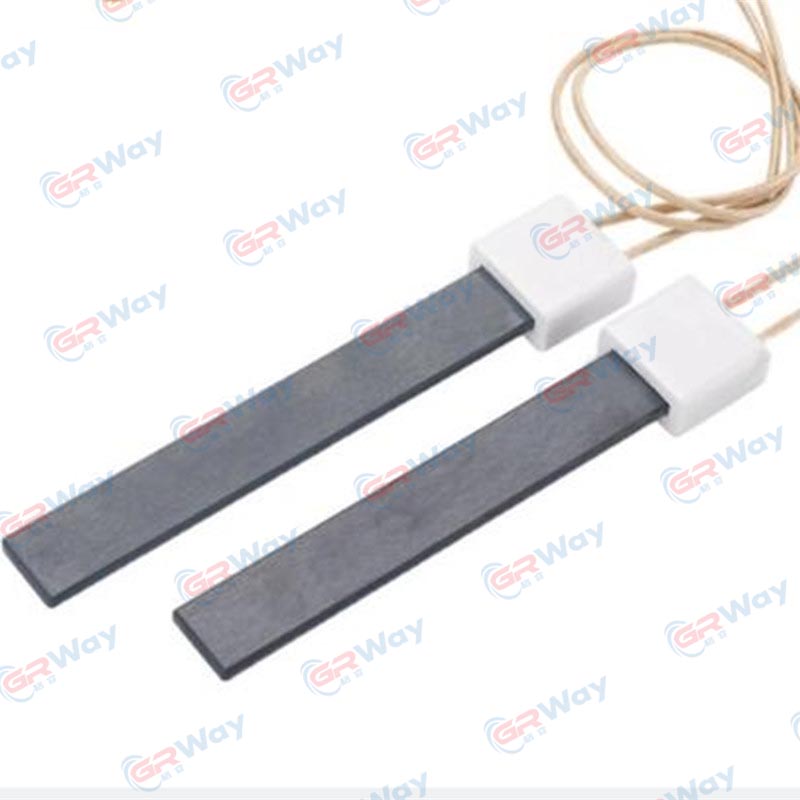
Why Do Modern Electronics Require Better Thermal Management Materials?
During my work with power devices and high-density circuits, I frequently encountered one common problem: excessive heat accumulation. Semiconductor components operate at higher power densities than ever before, which means substrate materials must dissipate heat quickly to maintain stable performance.
Traditional ceramic substrates like alumina perform adequately in moderate environments, but when devices reach higher thermal loads, their limitations become clear. This is where Aluminum Nitride Substrate stands out.
The key reason lies in its exceptional thermal conductivity combined with excellent electrical insulation. This rare combination allows engineers to design compact circuits without sacrificing reliability.
From my perspective, the biggest advantages include:
- High thermal conductivity that efficiently transfers heat away from semiconductor devices
- Low dielectric constant which supports high-frequency electronic performance
- Thermal expansion compatibility with silicon chips
- Excellent mechanical strength and long-term reliability
- Stable performance under harsh industrial environments
Because of these properties, Aluminum Nitride Substrate has become a preferred solution in many next-generation electronic systems.
How Does Aluminum Nitride Substrate Compare with Other Ceramic Materials?
In order to better understand the advantages of this material, I often compare it directly with commonly used substrate materials. This comparison helps engineers determine whether switching materials is worthwhile for their applications.
| Material Type | Thermal Conductivity (W/mK) | Electrical Insulation | Thermal Expansion Match | Typical Applications |
| Alumina Ceramic | 20–30 | Good | Moderate | General electronics |
| Beryllium Oxide | 200+ | Excellent | Good | High power modules |
| Aluminum Nitride Substrate | 170–200 | Excellent | Very good | Power electronics, LED, RF modules |
What stands out clearly in this comparison is the balance offered by Aluminum Nitride Substrate. It provides thermal conductivity close to beryllium oxide while avoiding toxicity concerns and maintaining strong electrical insulation. For manufacturers focused on safety and long-term reliability, this balance becomes extremely valuable.
Where Can Aluminum Nitride Substrate Deliver the Most Value?
In practical engineering discussions with clients, I often emphasize that material selection should always match application requirements. Fortunately, Aluminum Nitride Substrate adapts well to several demanding industries.
Here are some of the most common application areas where I see this material making a measurable difference:
- Power electronics modules where efficient heat dissipation protects IGBT and MOSFET devices
- LED packaging systems that require stable thermal management to extend lifespan
- Automotive electronics including electric vehicle control systems and power converters
- RF communication equipment where low dielectric loss improves signal stability
- Industrial high-temperature devices that must operate reliably for extended periods
In many of these applications, engineers previously struggled with overheating, device degradation, or unstable signal performance. By switching to Aluminum Nitride Substrate, these issues can often be significantly reduced.
How Does Manufacturing Quality Influence Substrate Performance?
Material properties alone do not determine performance. During my experience working with ceramic substrates, manufacturing precision has always played a critical role in achieving reliable results.
High-quality Aluminum Nitride Substrate production typically involves several important steps:
- High-purity aluminum nitride powder preparation
- Precision ceramic forming and sintering
- Controlled atmosphere processing
- Surface polishing and metallization compatibility
- Strict dimensional tolerance inspection
Manufacturers that invest in advanced ceramic processing technologies are able to deliver substrates with consistent thermal conductivity, smooth surfaces, and excellent mechanical stability. These factors directly influence how well the substrate integrates with semiconductor packaging processes.
In practice, when engineers evaluate suppliers, they often look beyond basic specifications and consider manufacturing expertise, process control, and long-term supply stability.
Why Are Global Electronics Manufacturers Increasingly Interested in Aluminum Nitride Substrate?
The electronics industry is moving rapidly toward higher power density and miniaturization. As devices become smaller yet more powerful, thermal challenges continue to grow. I have seen many companies reconsider their substrate material strategies as a result.
What makes Aluminum Nitride Substrate particularly attractive is its ability to support future technology development without introducing major design compromises. Engineers can maintain compact layouts while ensuring that thermal stress does not damage sensitive components.
From power modules used in electric vehicles to high-brightness LED systems, the demand for high thermal conductivity ceramics continues to expand. Companies that adopt reliable materials early often gain a competitive advantage in product performance and durability.
Are You Searching for a Reliable Supplier of Aluminum Nitride Substrate?
In my experience, selecting the right material partner can be just as important as choosing the right material itself. Reliable manufacturing capability, consistent quality control, and engineering support all contribute to long-term project success.
If you are currently exploring high-performance ceramic materials for thermal management applications, Xiamen Green Way Electronic Technology Co., Ltd. offers professional solutions and manufacturing expertise for Aluminum Nitride Substrate. Their technical team continues to improve product quality and expand production capabilities to meet global electronics industry needs.
If you would like to learn more about specifications, customization options, or technical support, we warmly invite you to contact us. Send us your requirements or application details today, and our team will be ready to assist you with the most suitable Aluminum Nitride Substrate solution for your project.