
Why Efficient Water Recycling Systems Matter in AAC Sheet Production Lines?
2026-03-17
How Does Water Usage Directly Affect AAC Sheet Production Efficiency?
In modern autoclaved aerated concrete manufacturing, water is not just a supporting resource but a critical production medium. From slurry preparation to cutting and autoclaving, water consumption directly impacts production stability, product consistency, and operational cost. In our factory, we have seen that inefficient water management often leads to slurry inconsistency, increased downtime, and higher discharge costs.
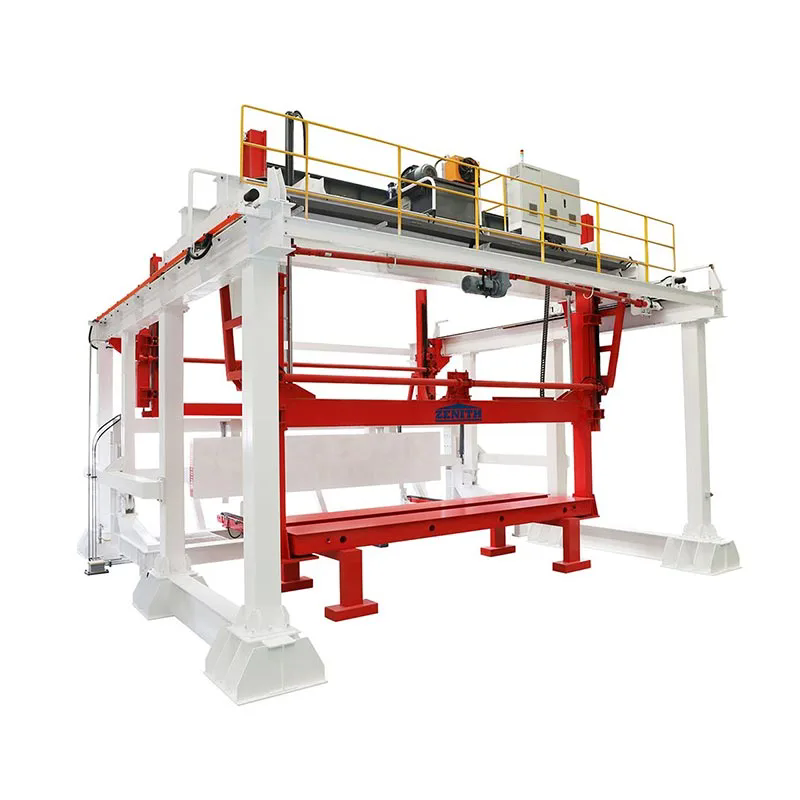
When using advanced AAC Sheet Production Line Equipment, maintaining a stable water supply with controlled quality ensures that density, compressive strength, and dimensional accuracy meet international standards. Zenith focuses on integrating water recycling solutions that allow our systems to reuse process water without compromising material performance.
Why Are Closed-Loop Water Recycling Systems Becoming Standard in AAC Plants?
Across North America and Europe, environmental compliance and water conservation policies are becoming stricter. Local manufacturers now prefer closed-loop systems that minimize wastewater discharge and reduce freshwater intake. Our approach combines sedimentation tanks, filtration modules, and circulation pumps to create a continuous reuse cycle.
By integrating water recycling into AAC Sheet Production Line Equipment, our factory helps clients reduce water consumption by up to 70 percent. Zenith has implemented these systems in multiple large-scale plants, ensuring compliance with local EPA-style regulations while maintaining production output.
| Parameter | Specification |
| Water Recycling Rate | 60 to 80 percent |
| Sedimentation Efficiency | Above 90 percent |
| Filtration Precision | 50 to 100 microns |
| System Capacity | 10 to 50 cubic meters per hour |
| Automation Level | PLC controlled |
What Technical Advantages Do Efficient Water Recycling Systems Bring to Production Lines?
Efficient water recycling systems provide multiple technical benefits that go beyond environmental compliance. In our factory, we prioritize stable slurry formulation, which depends heavily on consistent water quality. Recycled water, when properly treated, maintains uniform chemical properties that support predictable curing behavior.
When integrated into AAC Sheet Production Line Equipment, these systems also reduce scaling inside pipelines and equipment, extending the service life of pumps and mixers. Zenith ensures that our designs include multi-stage filtration and sludge separation to prevent contamination buildup.
Another advantage is reduced operational downtime. With automated monitoring, our systems adjust flow rates and filtration cycles in real time. This level of control allows operators to maintain production efficiency even under variable load conditions.
How Does Water Recycling Influence Cost Control and ROI in AAC Manufacturing?
Cost efficiency is one of the main drivers behind adopting water recycling systems. Freshwater sourcing, wastewater treatment fees, and environmental penalties can significantly increase operating expenses. Our factory has helped clients achieve noticeable cost reductions by implementing integrated recycling solutions.
In AAC Sheet Production Line Equipment, water reuse directly lowers utility costs while reducing the need for external discharge treatment. Zenith designs systems that align with local utility pricing structures, making them especially valuable in regions with high industrial water tariffs.
| Cost Factor | Without Recycling | With Recycling |
| Water Consumption | High | Reduced by 60 percent |
| Wastewater Treatment Cost | High | Low |
| Maintenance Cost | Moderate | Lower due to cleaner systems |
| Overall ROI Period | Long | 12 to 24 months |
Why Should Manufacturers Choose Integrated Solutions for Long-Term Sustainability?
Choosing a fully integrated system is essential for long-term plant performance. In our factory, we emphasize system compatibility, ensuring that water recycling units work seamlessly with AAC Sheet Production Line Equipment. This integration avoids operational conflicts and ensures consistent output quality.
Zenith continues to invest in advanced process engineering, allowing our clients to achieve both environmental and economic goals. Our solutions are designed for scalability, making them suitable for both new installations and retrofitting existing plants.
FAQ
Q1: What is the main purpose of water recycling in AAC sheet production?
The main purpose is to reduce freshwater consumption while maintaining consistent slurry quality. Efficient recycling systems treat and reuse process water, ensuring stable material properties and lowering operational costs.
Q2: How does water quality affect AAC sheet performance?
Water quality directly influences slurry consistency, which impacts density, strength, and curing behavior. Properly treated recycled water ensures uniform mixing and prevents defects in finished products.
Q3: Can existing AAC plants upgrade to water recycling systems easily?
Yes, most existing plants can integrate modular recycling systems without major structural changes. These systems can be customized to match current production capacity and improve overall efficiency.
Conclusion
Efficient water recycling is no longer optional in modern AAC manufacturing. It plays a crucial role in improving production efficiency, ensuring regulatory compliance, and reducing operational costs. By integrating advanced solutions into AAC Sheet Production Line Equipment, manufacturers can achieve sustainable growth and long-term profitability. Zenith is committed to delivering reliable systems that meet global standards and support high-performance production. Contact our team today to explore how our factory can help optimize your AAC production line with tailored water recycling solutions.